A transmission cooler can lower transmission-fluid temperature by up to 33°C, but the right unit and fitment depend on the vehicle and how it’s used. Transmission cooler installation in Auckland involves routing fluid through a cooler so airflow can remove heat before the fluid returns to the transmission.
If you’re carrying extra passengers or cargo, driving in stop-start traffic or heading off-road regularly, managing transmission heat may be worth considering. Choosing a cooler isn’t just about its size: vehicle layout, cooler position and secure connections all affect the installation. The cost depends on the cooler selected and the work required for your vehicle, with pricing provided after a quote request. This guide explains how a cooler works, what to consider when choosing one, and what’s involved in arranging fitment in Auckland, so you can make an informed decision for your vehicle.
Key Takeaways
- A transmission cooler helps dissipate heat by routing transmission fluid through a cooler before it returns to the transmission.
- Extra load, stop-start driving and regular off-road use can increase transmission strain and make heat management worth considering.
- Cooler choice and fitment depend on the vehicle’s layout and how it’s used, which also affect the work involved and cost.
- A transmission flush is a related service to consider when transmission fluid maintenance is part of your vehicle’s needs.
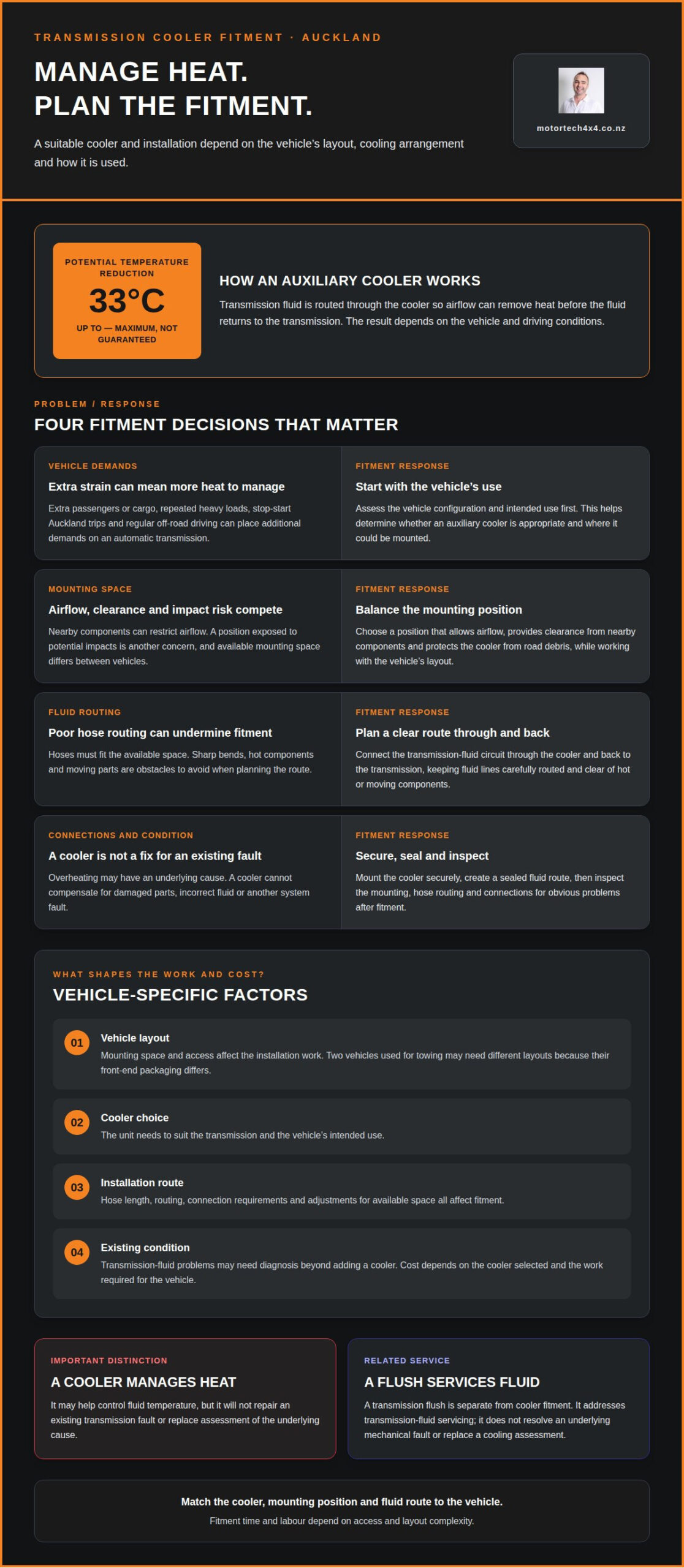
Transmission cooler installation Auckland
Fitment starts with the vehicle, not a universal cooler size. The transmission type, available mounting space and existing cooling arrangement shape the installation plan. For example, two vehicles used for towing may need different layouts because their front-end packaging differs. A suitable cooler must work with the vehicle’s fluid circuit and allow airflow without obstructing other components.
How installation is planned
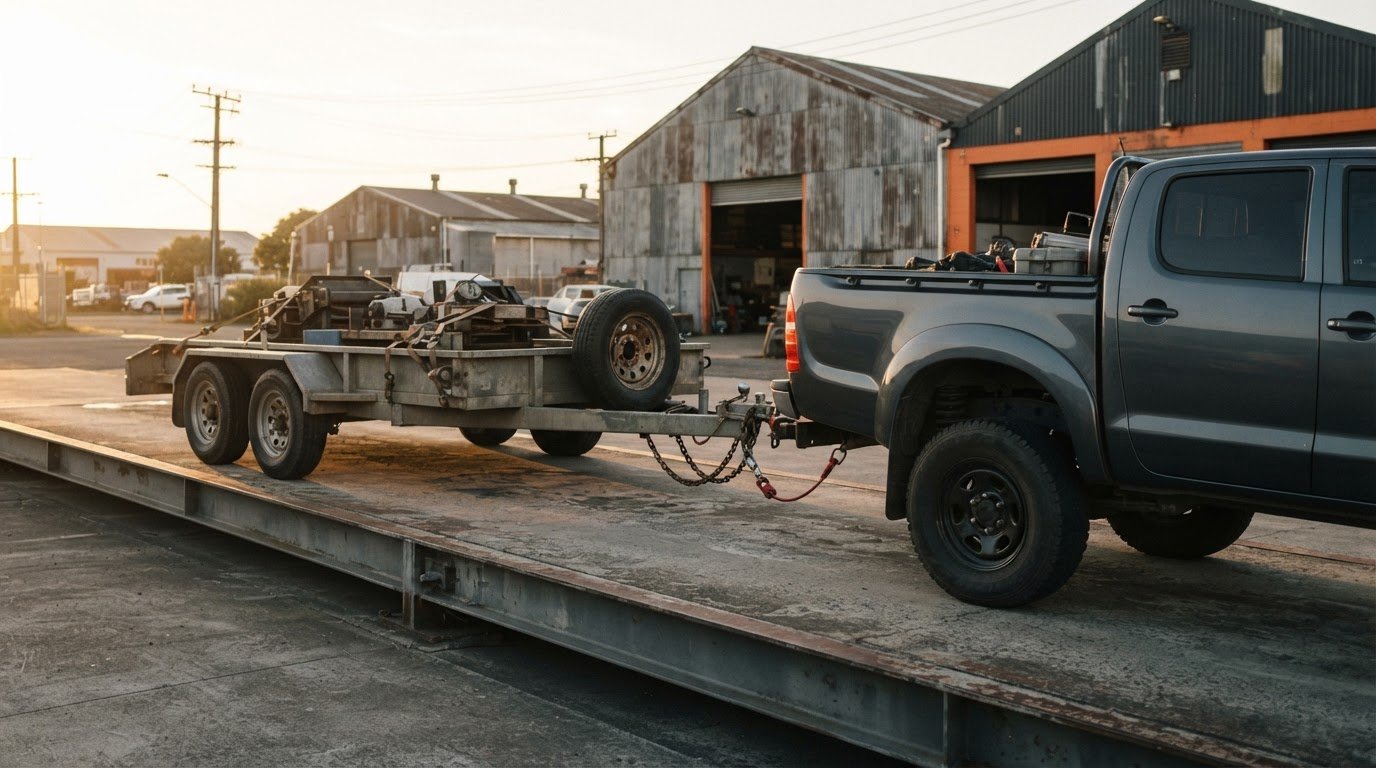
The first step is assessing the vehicle’s configuration and intended use. A daily-driven vehicle in Auckland faces different conditions from a four-wheel drive regularly travelling off-road. This context helps determine whether an auxiliary cooler is appropriate and where it could be mounted. The position needs airflow, clearance from nearby components and protection from road debris.
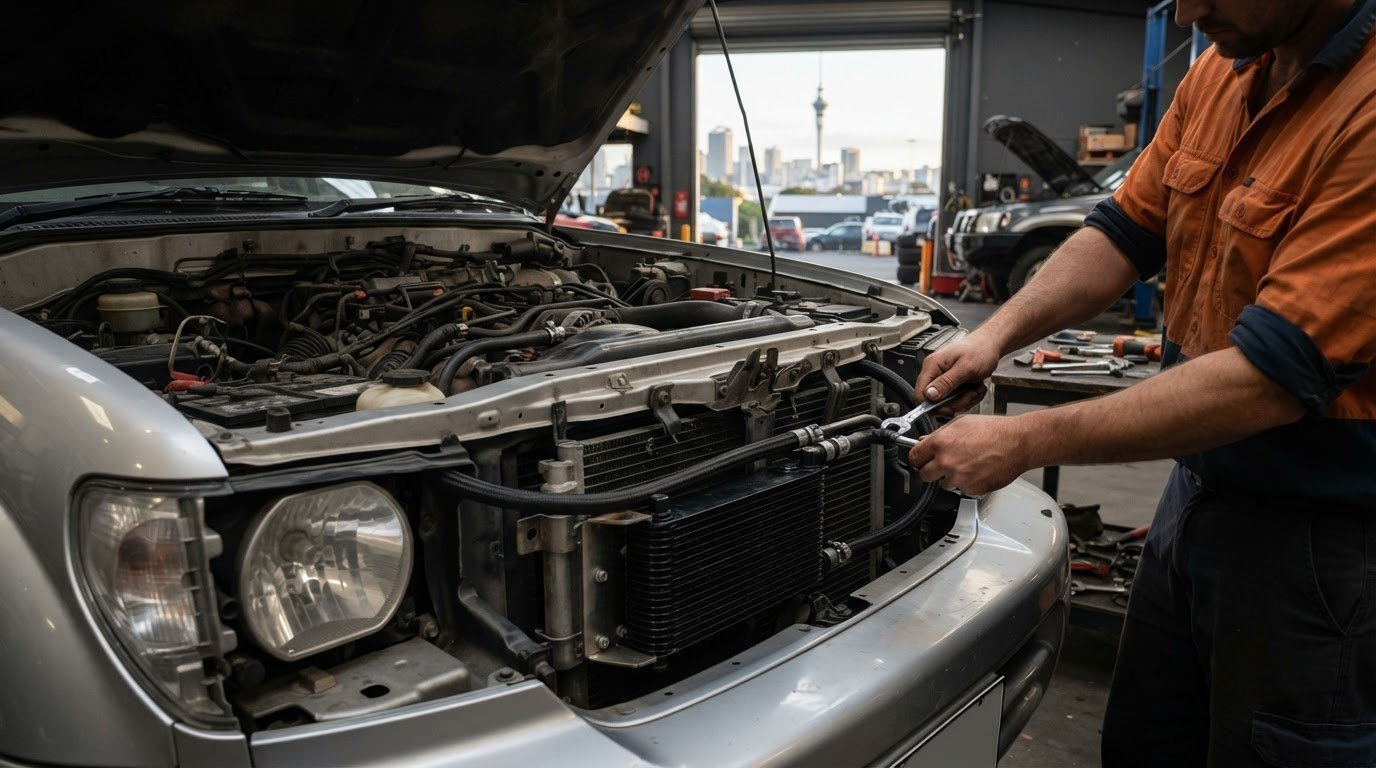
Next, the installer plans the transmission-fluid route through the cooler and back to the transmission. Hoses need to fit the available space, avoid sharp bends and stay clear of hot or moving components. The cooler must also be mounted securely. Poor hose routing or unstable mounting can undermine an otherwise suitable component.
The cooler is then connected to the vehicle’s transmission-fluid circuit, creating a sealed route from the transmission through the cooler and back again. After fitment, the mounting, hose routing and connections should be inspected for obvious problems. Because the work is vehicle-specific, the time and labour depend on access and layout complexity.
Choosing a cooler for the vehicle
Cooler selection involves matching the unit to the transmission and the vehicle’s operating demands. A cooler is designed to reduce fluid temperature more effectively than the stock radiator alone. Installing one can lower transmission temperature by up to 33°C, although that figure is a maximum, not a guaranteed result for every vehicle or driving condition.
Airflow is a key practical consideration. The cooler needs a position where air can pass across it and carry heat away. Surrounding components may restrict airflow, while a position exposed to potential impacts can create another concern. The installer balances these factors with the vehicle’s available mounting space and the route required for fluid lines.
Vehicle use also guides the decision. Repeated heavy loads, frequent stop-start trips around Auckland and regular off-road driving can place additional demands on an automatic transmission. A cooler may help manage heat under demanding conditions, but it will not repair an existing transmission fault. If the fluid is already overheating, the underlying cause still needs attention.
Cost and fitment factors
Installation cost depends on the cooler selected and the work required for the vehicle. Factors include cooler size and design, mounting access, hose routing, connection requirements and adjustments needed to fit the available space. A straightforward mounting position differs from one where nearby components restrict access or require a more involved hose route.
- Vehicle layout: available mounting space and access affect labour.
- Cooler choice: the unit needs to match the transmission and intended use.
- Installation route: hose length, routing and connection work affect fitment.
- Existing condition: transmission-fluid problems may require diagnosis beyond adding a cooler.
Transmission fluid that becomes too hot can burn and produce debris that damages transmission components. Overheating is the most common cause of transmission failure. A cooler may help control fluid temperature, but it cannot compensate for damaged parts, incorrect fluid or another system fault. This distinction matters when deciding whether fitment is the right next step.
For a vehicle under sustained transmission strain, professional assessment can identify a suitable cooler and practical mounting position. A sound installation requires compatible components, secure mounting, considered airflow and carefully routed fluid lines. These vehicle-specific decisions determine whether transmission cooler fitment is suitable and what the work involves.
A transmission cooler may help reduce the risk of fluid overheating and burning, which can produce debris that damages transmission components. This is one factor to consider when assessing whether an auxiliary cooler suits the vehicle’s use and cooling arrangement. Fitment should be considered alongside the other vehicle-specific factors, not as a substitute for diagnosing an existing fault.
Motortech 4X4: Transmission flush
Motortech 4X4 offers a transmission flush for vehicles that need transmission-fluid servicing. A flush is a separate service from fitting an auxiliary cooler: it addresses the fluid, while the cooler manages heat through an additional cooling route. If your vehicle has experienced overheating, a flush alone won’t resolve an underlying mechanical fault or replace the need to assess cooler fitment.
Consider a transmission flush when fluid servicing is part of the work your vehicle needs, or when planning transmission maintenance alongside a cooling assessment. Keeping those needs distinct helps match the work to the cause, rather than treating a flush as a solution to every temperature concern.
Contact Motortech 4X4 to discuss transmission servicing for your vehicle.
Plan the next step for your vehicle
Before arranging transmission cooler installation in Auckland, consider how the vehicle is set up for its regular work and travel. A cooler should form part of a suitable maintenance or modification plan, rather than stand in for diagnosing a transmission fault. If you’re planning broader changes, align each component with the vehicle’s intended use and the space available for fitment.
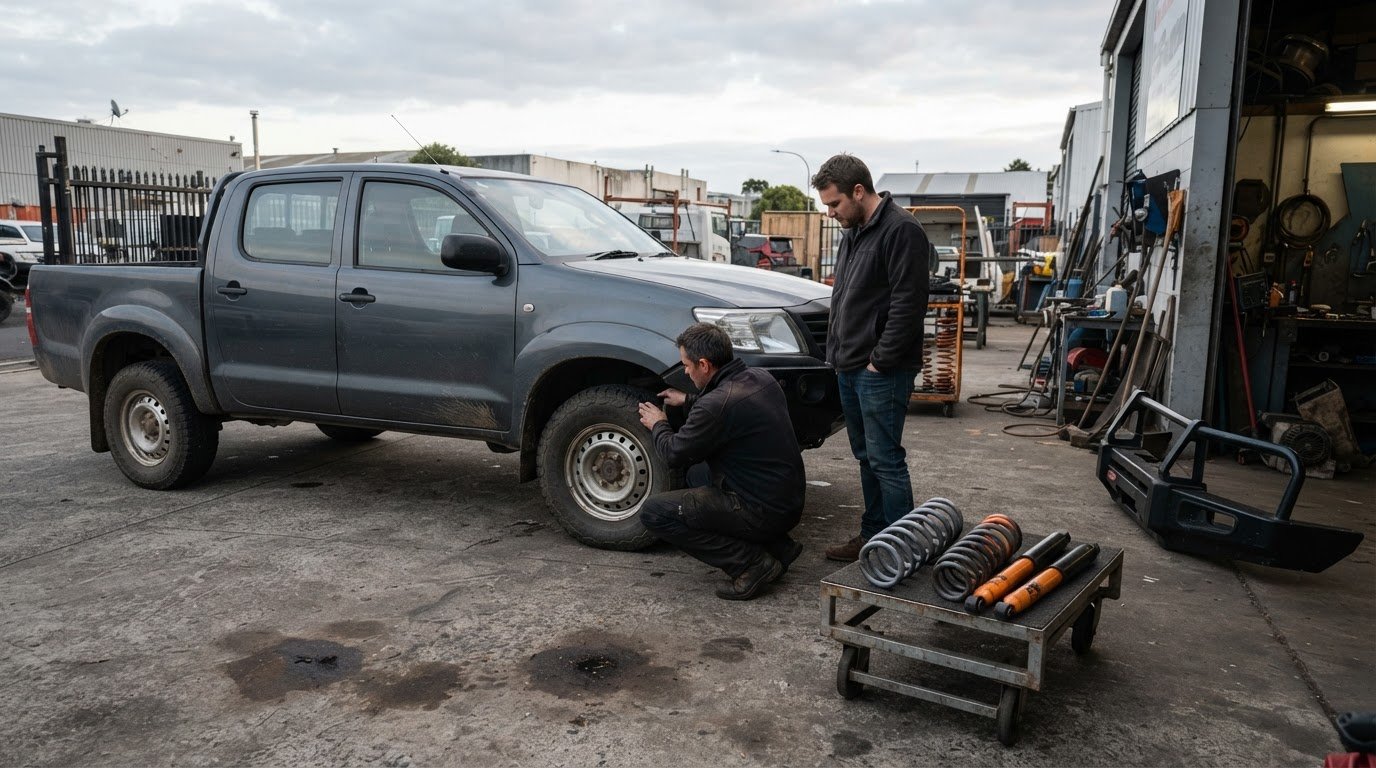
Motortech 4X4 also offers Suspension Kits, Bullbars and Snorkels. These additions serve different purposes, but can be considered alongside your vehicle’s overall setup when planning future modifications. Keeping the intended use in view helps make each decision more purposeful.
For guidance on the next step, contact Motortech 4X4 to discuss fitment. A clear conversation about your vehicle and how you use it can help you move forward with a practical plan.