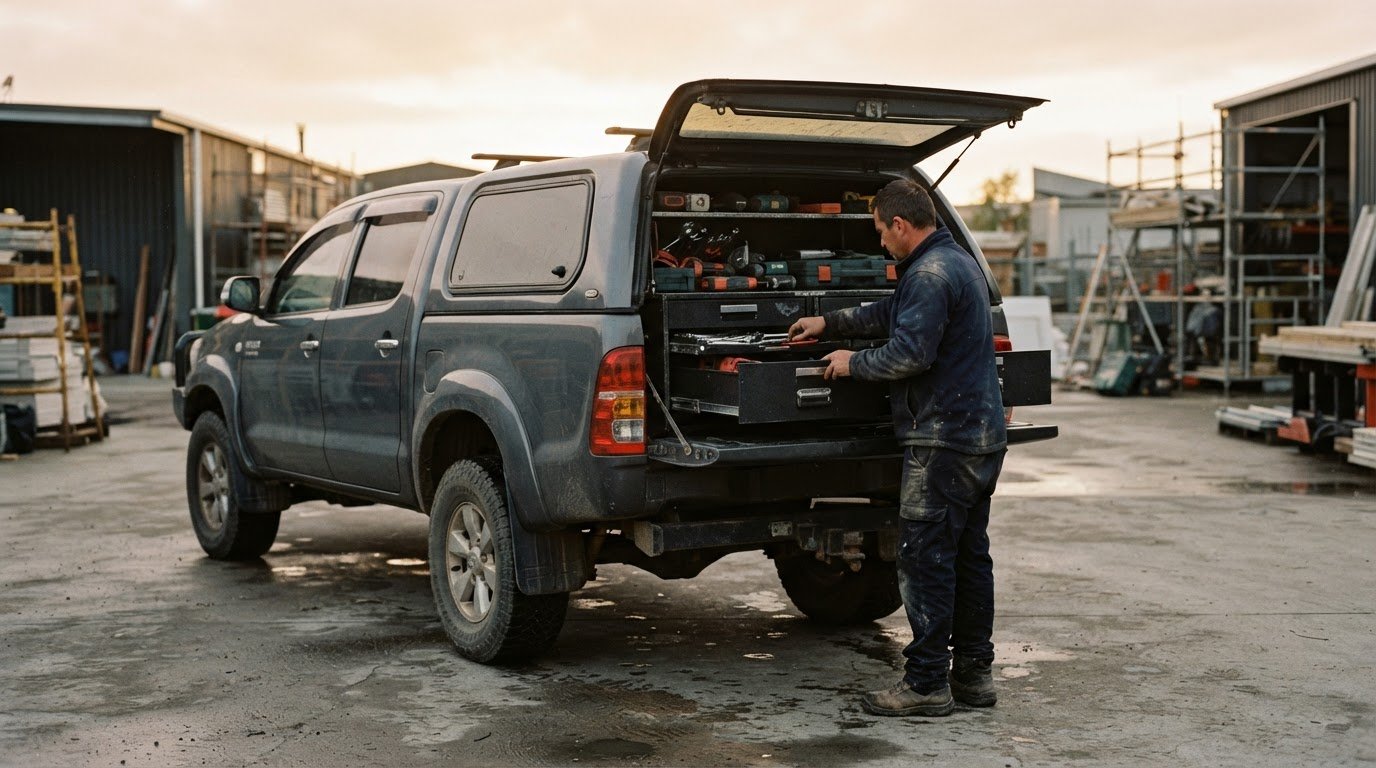
A work ute can be fully equipped and still exceed its permitted weight. The benefits of a GVM upgrade for tradies include increased legal carrying capacity and suspension suited to a loaded vehicle. Simply fitting heavier suspension, however, does not raise the vehicle’s approved limit. Consider an upgrade while setting up a work vehicle, before adding heavy accessories or a regular load of tools and equipment.
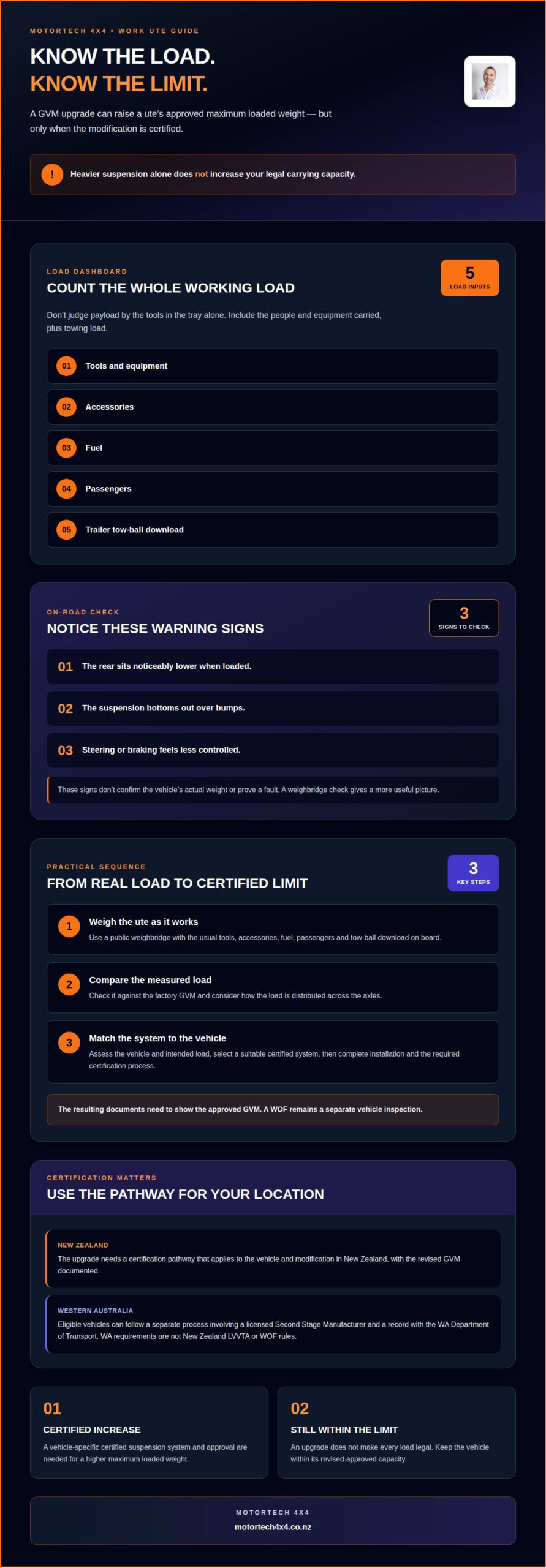
It’s easy to focus on the tools in the tray and overlook the combined weight of passengers, fuel, accessories and trailer tow-ball download. Overloading can put extra strain on vehicle components and create safety, business and insurance concerns.
This article explains how a GVM upgrade works, what excess weight can mean for your vehicle and when an upgrade may be worthwhile. It also explains why you still need to stay within the revised limit and load the vehicle correctly.
Key Takeaways
- A suspension change alone doesn’t increase a vehicle’s legal carrying capacity; a GVM upgrade needs to be certified for the increased limit.
- Account for the full working load, including tools, accessories, fuel, passengers and any trailer tow-ball download.
- Overloading can place added strain on a work vehicle and may affect an insurance claim if the vehicle isn’t legally certified for its weight.
- Planning an upgrade before fitting heavy accessories can help you match the vehicle’s carrying capacity to its day-to-day workload.
Is a GVM upgrade worth it for tradies who carry tools every day?
For a tradie’s ute, an upgrade may be worthwhile when tools, accessories and passengers push the working load beyond the original GVM. It involves more than replacing suspension components.
In New Zealand, don’t assume Western Australian certification establishes compliance with LVVTA requirements or WOF standards. The upgrade needs a certification pathway that applies to the vehicle and modification in New Zealand, with the revised GVM documented.
Certified suspension and increased GVM
A GVM upgrade combines a vehicle-specific, certified suspension system with approval for a higher maximum loaded weight. Fitting suspension alone does not increase legal payload capacity. For tradies carrying tools daily, the certified limit needs to account for the ute, fuel, passengers, accessories, equipment and trailer tow-ball download.
Western Australia has its own process: an eligible vehicle can have an upgrade certified by a licensed Second Stage Manufacturer, and the upgrade must be recorded with the WA Department of Transport. That record confirms compliance with Australian Design Rules and state requirements. These are WA requirements, not New Zealand’s LVVTA or WOF rules.
In Australia, a pre-registration upgrade is installed before first registration and certified as a Second Stage of Manufacture. A post-registration upgrade is made after registration and follows a state-approved pathway. These categories describe Australian processes, not the certification steps for a New Zealand vehicle.
Payload capacity and upgrade risks
Legal payload is the available carrying capacity within the vehicle’s certified GVM, after accounting for the vehicle and its load. A certified increase can give a work ute more capacity, but you must still stay within the revised limit. Heavier suspension may also change ride comfort when the ute is lightly loaded, while extra weight can affect handling and braking.
For New Zealand certification, the practical sequence is to assess the vehicle and intended load, select a suitable certified system, then complete installation and the required certification process. The resulting documents need to show the approved GVM. A WOF remains a separate vehicle inspection.
Mechanical strain from excess vehicle weight
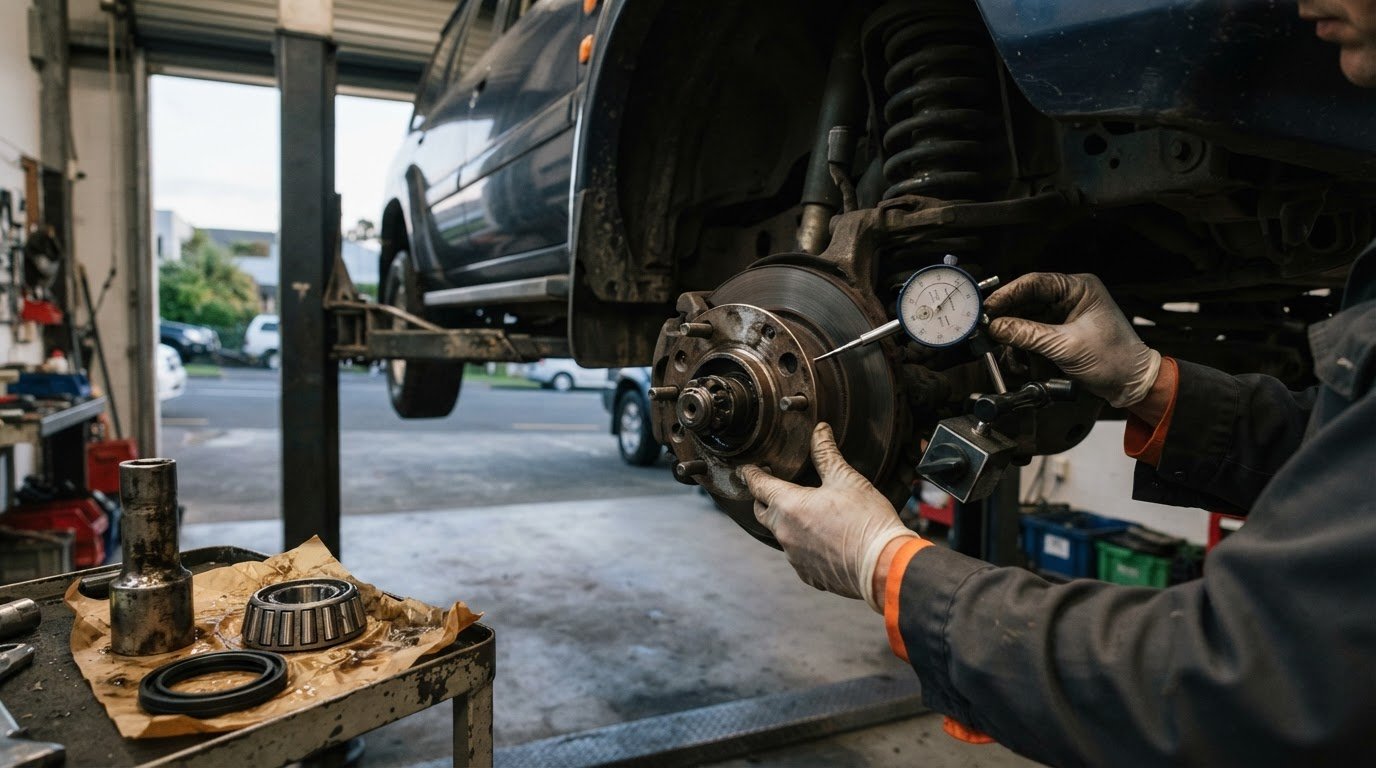
Excess load makes a work vehicle’s suspension, tyres and braking system manage more weight than the factory setup was designed to carry. A ute packed with toolboxes, a canopy and equipment may also feel less settled through corners, especially if its load sits high or shifts during travel.
Watch for practical warning signs in a loaded vehicle: the rear sits noticeably lower, the suspension bottoms out over bumps, or steering and braking feel less controlled. These signs don’t establish the vehicle’s actual weight or prove a specific fault. They do show why appearance alone isn’t enough to decide whether an upgrade is suitable.
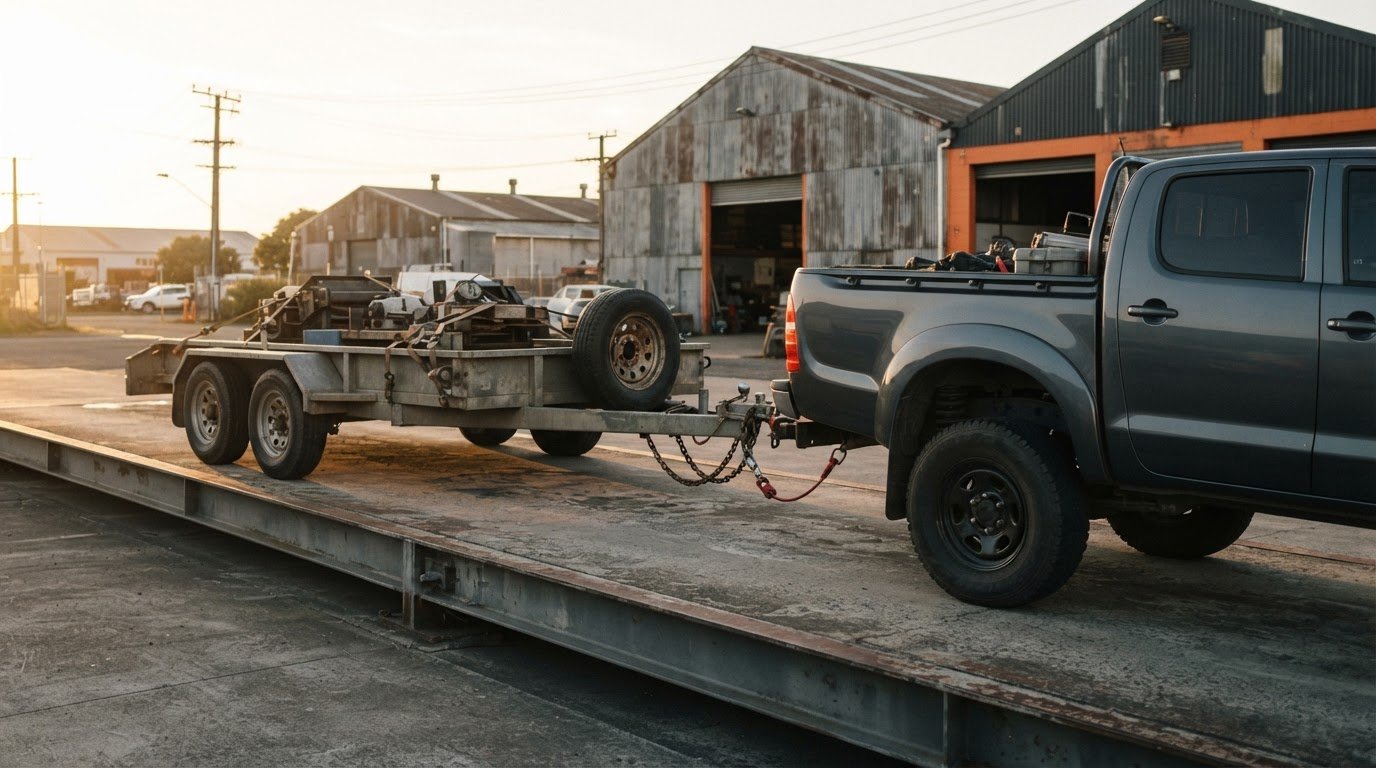
Before choosing an upgrade, weigh the vehicle at a public weighbridge in its normal working configuration. Include the usual tools, accessories, fuel, passengers and trailer tow-ball download. This gives you a more useful picture of the actual load than an estimate based on an empty vehicle. Compare the measured weight with the factory gross vehicle mass and consider how the load is distributed across the axles.
Engineering is vehicle-specific: an upgrade is designed and certified for the relevant make and model, so you can’t assume another vehicle will receive the same approved increase. Eligibility and resulting capacity depend on the vehicle and its engineered setup. A weighbridge result helps show whether excess weight is the issue and informs the upgrade decision.
A vehicle that’s already registered still needs an appropriate engineering and certification pathway for an approved GVM change. Fitting suspension components alone doesn’t establish a higher legal limit. Plan certification alongside the modification, so the paperwork reflects the completed vehicle rather than the factory specification.
For a work ute whose measured load approaches its original limit, consider a GVM upgrade assessment before adding more equipment. It helps connect the vehicle’s actual working weight with a suitable, vehicle-specific solution.
Overloading risks for businesses and insurance
An overloaded work vehicle can create safety, insurance and business risks, even on short local jobs. A GVM upgrade changes the approved limit, but you still need to keep the load within that limit.
Insurance risks of overloading
Insurance risk arises when a vehicle carries more than its legal weight or approved capacity. If an accident happens while the vehicle is overloaded and not legally certified for that weight, an insurer may deny a claim. A business could then face vehicle damage and work disruption without the expected cover. Remember to account for towing as part of the load.
Road legality and insurance
Road legality and insurance are linked because the vehicle must be certified for the weight it carries. A GVM upgrade doesn’t make every load legal: tools, accessories, passengers and tow-ball download must still fit within the revised capacity. This applies to a work ute on a daily route and to a touring vehicle carrying extra equipment. A vehicle loaded beyond its manufacturer’s original GVM is technically unroadworthy.
Notifying insurers about an upgrade
Tell your insurer about the upgraded GVM and aftermarket suspension so the policy information reflects the vehicle’s modified setup. Keep the certification documents with the vehicle records, including the approved weight limit. If several workers use a business vehicle, make the revised limit clear to everyone responsible for loading or towing. Accurate information helps the insurer assess the vehicle and its use.
Effects on warranty, registration and resale
A GVM upgrade can affect warranty, registration records and how a future buyer views the vehicle. Factory warranties don’t cover aftermarket suspension components fitted for an upgrade; the suspension manufacturer covers those components. Keep the certification paperwork showing the approved GVM with the vehicle’s records. It gives a buyer evidence of the modification, while resale value still depends on the vehicle’s condition, demand and documented history.
GVM upgrade benefits for tradies
For a tradie carrying tools, the main benefit is a higher approved gross vehicle mass, allowing a properly certified vehicle to carry more than its original manufacturer limit. That added capacity can help accommodate a working setup with a canopy, tool storage, vehicle accessories and passengers, rather than treating the factory rating as the only available limit. The increase applies only to the approved vehicle and its certified configuration.
Heavy-duty suspension is designed to support the upgraded load and improve handling when the vehicle is loaded. This can matter on workdays with changing loads, uneven access roads or frequent stops. A vehicle that sits and responds more appropriately under load may feel more controlled to drive. The upgrade doesn’t make every load safe or legal: the revised limits still apply to the vehicle and its components.
Towing is another practical consideration. A GVM upgrade can improve braking, stability and steering control when towing, particularly when the vehicle also carries tools and equipment. Trailer tow-ball download contributes to the vehicle’s load, so include it in the working setup. An approved increase provides more room to manage that combined load, but doesn’t raise the trailer’s own permitted limits.
For a business, the benefit is a vehicle configured for its regular work rather than a lighter factory setup. Consider a ute that carries a toolbox and canopy every day, then tows a trailer for certain jobs. A certified upgrade can provide additional approved carrying capacity for that use. Where possible, plan it before fitting heavy accessories, so the suspension system and vehicle setup suit the intended load.
The clearest takeaway: choose an upgrade when measured work loads exceed the original GVM, then operate within the new certified limits. Discuss a GVM upgrade for a vehicle that needs more approved capacity for tools, equipment or towing.
Motortech 4X4: GVM Upgrades
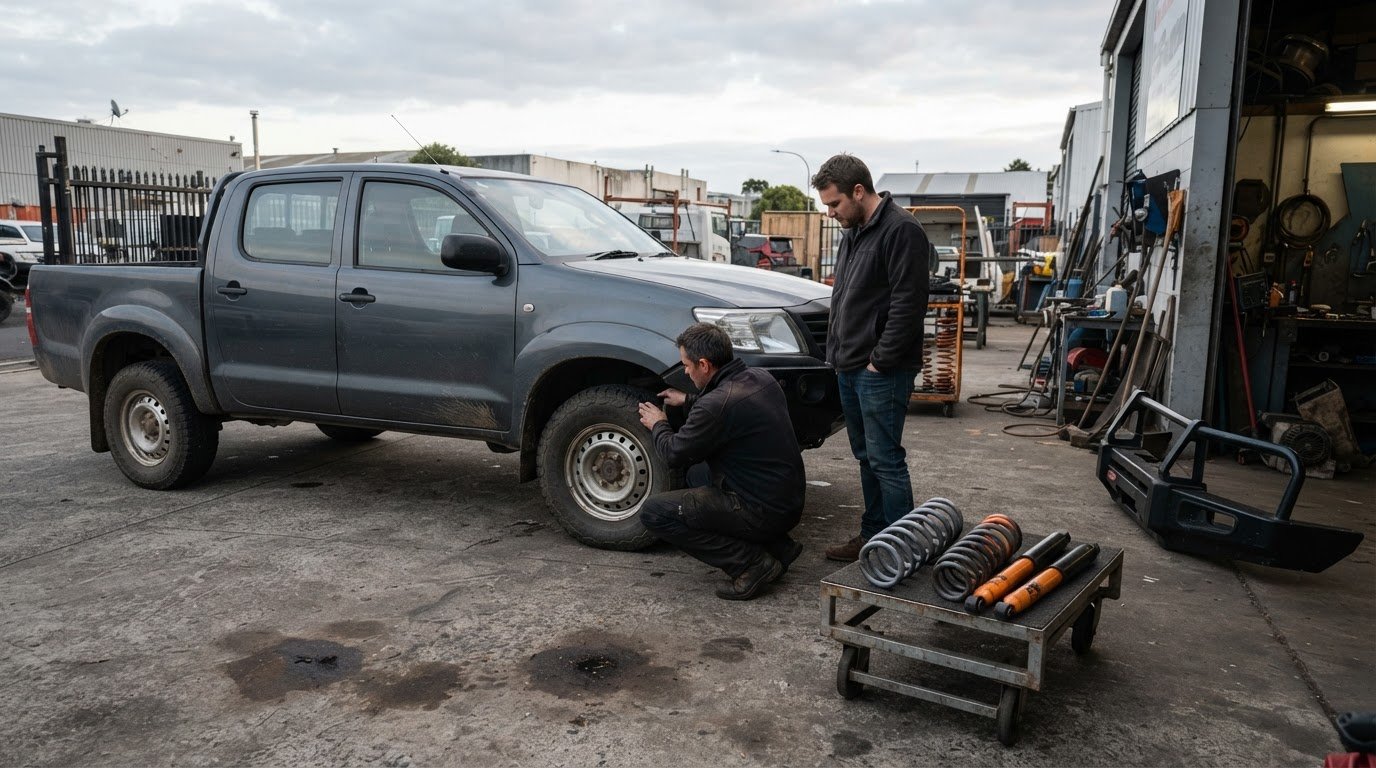
Motortech 4X4 provides GVM upgrades for tradies whose daily tools, accessories and work setup put pressure on their vehicle’s carrying capacity. It’s a useful next step when you’re planning a work vehicle or considering additional equipment, such as a bullbar or snorkel, alongside the regular load.
A GVM upgrade should suit the vehicle and how it’s used, rather than being treated as a suspension change alone. Motortech 4X4 can help bring the upgrade and suspension requirements together for your work ute. Share how you use the vehicle, including its usual load and whether you tow, to guide the discussion.
If your current setup is close to its carrying limits, contact Motortech 4X4 to discuss a GVM upgrade for your vehicle.
Plan the next stage of your work-vehicle setup
Use your regular work pattern to guide the setup. A ute carrying different tools for different jobs may need a different configuration from one permanently fitted with equipment. Consider planned changes too, so the vehicle suits the work ahead, not just today’s load.
The benefits of a GVM upgrade for tradies matter most when the vehicle’s actual duties call for more carrying capacity. If you’re planning a broader setup, consider how a suspension kit works with accessories such as a bullbar or snorkel. Coordinating the components can help avoid choosing them in isolation and having to revisit the vehicle setup later.
Motortech 4X4 can help you consider a GVM upgrade as part of that work-vehicle plan. Contact Motortech 4X4 about your upgrade and discuss the setup you’re working towards. A clear plan is a practical starting point for building a ute around the demands of your trade.
Frequently Asked Questions
When Is the Best Time to Do a GVM Upgrade?
The best time is while setting up a new work vehicle or before fitting heavy accessories. Planning early lets the intended suspension system and vehicle setup account for equipment such as a canopy, tool storage or bullbar. It can also help you avoid choosing accessories first, then discovering the completed work ute needs a different carrying-capacity plan.
Can I get the same GVM upgrade across a fleet of trade vehicles?
Not necessarily. A GVM upgrade is engineered for a specific vehicle make and model, so fleet vehicles need individual consideration even if they look alike. Differences in specifications, fitted accessories and daily loads can affect the suitable setup. For example, a ute carrying a canopy and tools may have different requirements from one assigned to lighter service work.
Can I set up a new work ute with a GVM upgrade before fitting the canopy and tools?
Yes, planning the upgrade during the initial vehicle setup is practical. The intended canopy, tool storage and work equipment can inform the configuration, rather than being added after the vehicle is set up. A pre-registration upgrade is installed before a vehicle is first registered, but New Zealand certification requirements still need to apply to the vehicle and modification.
What happens if one of my employees is driving an overloaded work ute?
An overloaded ute can put the driver, other road users and your business at risk. If it carries more than its approved capacity, stop adding load and reduce the load before using the vehicle again. Overloading can also create insurance problems after an accident, particularly if the vehicle wasn’t certified for the weight carried.
Will a GVM upgrade reduce wear on suspension and tyres for work vehicles?
A GVM upgrade isn’t a maintenance treatment and doesn’t guarantee less wear on suspension or tyres. Its purpose is to provide a higher approved vehicle mass with a suitable suspension system. Tyre and suspension condition still depend on factors such as load distribution, road conditions, maintenance and correct operation within the vehicle’s revised limits.
What are the benefits of a GVM upgrade for tradespeople carrying tools and equipment?
The benefits of a GVM upgrade for tradies can include added approved carrying capacity and suspension designed for a loaded vehicle. For example, a work ute carrying tools, accessories and passengers may have more room within its revised limit. When towing, the setup can also support improved braking, stability and steering control, provided the vehicle stays within its approved limits.