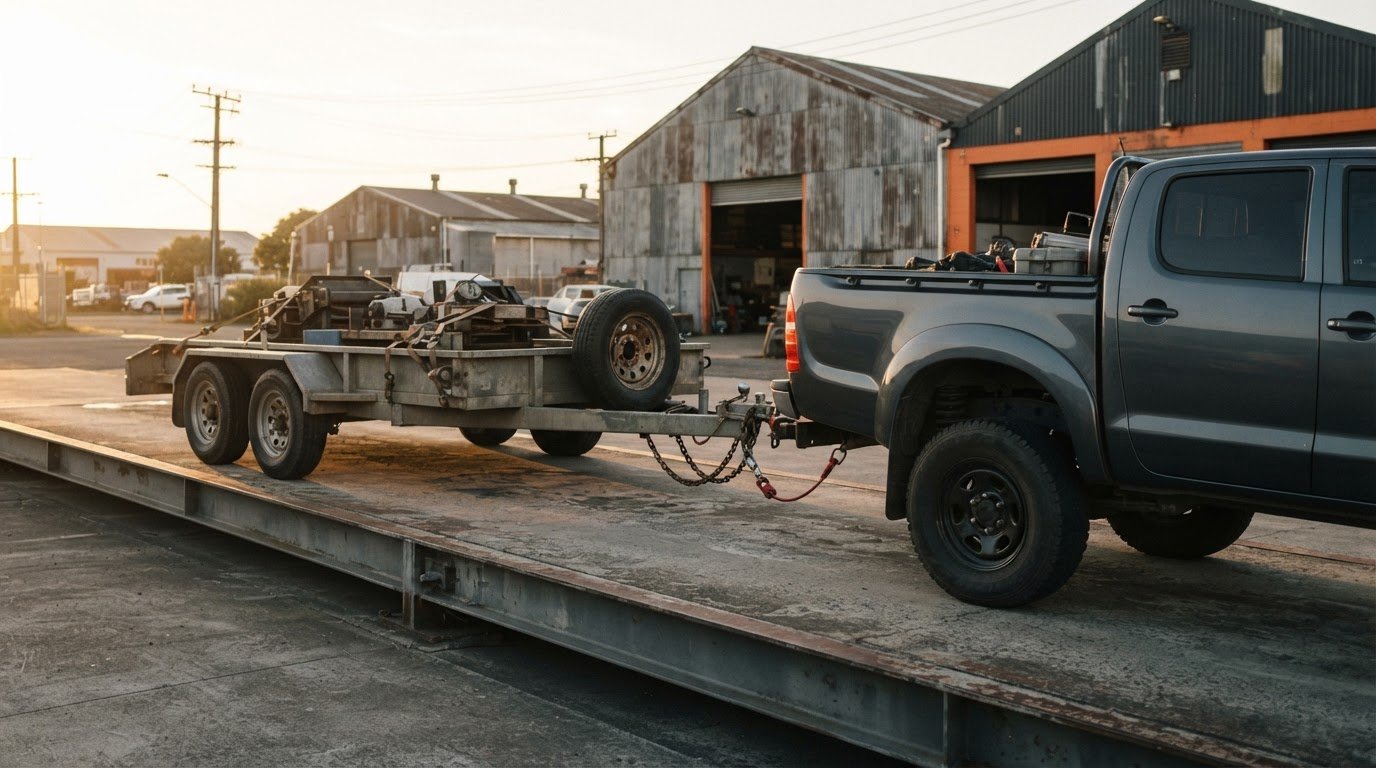
More power doesn’t automatically make towing easier. ECU remapping for towing can increase torque by up to 30%, with changes to torque delivery, fuel delivery and throttle response shaped around the vehicle and its use. It can’t raise the vehicle manufacturer’s legal towing limit, and gearbox torque limits still matter.
It’s understandable to want stronger pulling power on hills and fewer unnecessary gear changes when towing. The result, though, depends on how the engine and transmission respond under load, not just the headline power figure.
This article explains how towing affects engine performance, how a remap may change low- and mid-range torque, and why fuel use and gear hunting can vary. It also covers the checks and limits to consider before choosing a towing-focused tune.
Key Takeaways
- Understand why towing load can make an engine feel less responsive and prompt frequent gear changes.
- See how a towing-focused calibration can bring torque delivery into a more useful part of the rev range.
- Learn why fuel use varies with load, speed and driving style, even after a remap.
- Keep the vehicle’s towing limits and transmission capacity central when considering changes to engine performance.
Fuel economy and gear hunting under load
A trailer adds resistance, so the engine needs more work to maintain speed, especially uphill. A 6% gradient illustrates the demand: holding 60mph in gear with a caravan requires sustained engine output. The same vehicle may use less fuel on level roads, where it can maintain speed with less throttle. Load, speed and driving style all affect fuel use while towing.
Gear hunting happens when an automatic transmission repeatedly shifts up and down as engine load changes. On a climb, a higher gear may leave the engine short of useful pulling force. The transmission shifts down, revs rise, and it may shift up again when the load eases. A towing calibration needs to respect gearbox torque limits and account for how the transmission shifts under load.
Manual drivers face a similar choice: holding a higher gear can labour the engine, while selecting a lower gear raises engine speed. One example describes a manual diesel needing third gear to tow a load of 1,800kg. That isn’t a universal gear recommendation; gradient, vehicle, trailer and load all influence the appropriate gear. The useful signal is whether the engine can pull smoothly without repeated changes or strain.
Fuel economy under tow can differ sharply from solo driving. A Honda CR-V Black Edition owner reported 47-50mpg in ordinary driving, with lower economy while towing a 1,350kg caravan. That report illustrates the effect of added load, not a fuel-use forecast for other vehicles. A remap doesn’t make towing consumption predictable from the vehicle’s unloaded figure.
Engine software can change torque delivery and throttle response, but fuel use still depends on speed, load and driving style. Smooth acceleration and a steady speed generally create less demand than abrupt inputs. In an automatic, calibration should account for transmission behaviour rather than focus only on engine output. Any change to shift behaviour depends on the vehicle’s gearbox control and its response to towing load.
Low- and mid-range torque delivery for towing
A towing-focused calibration can reshape how an engine delivers torque across its rev range. The aim is useful pulling force, not simply a higher peak figure.
Low-range torque delivery
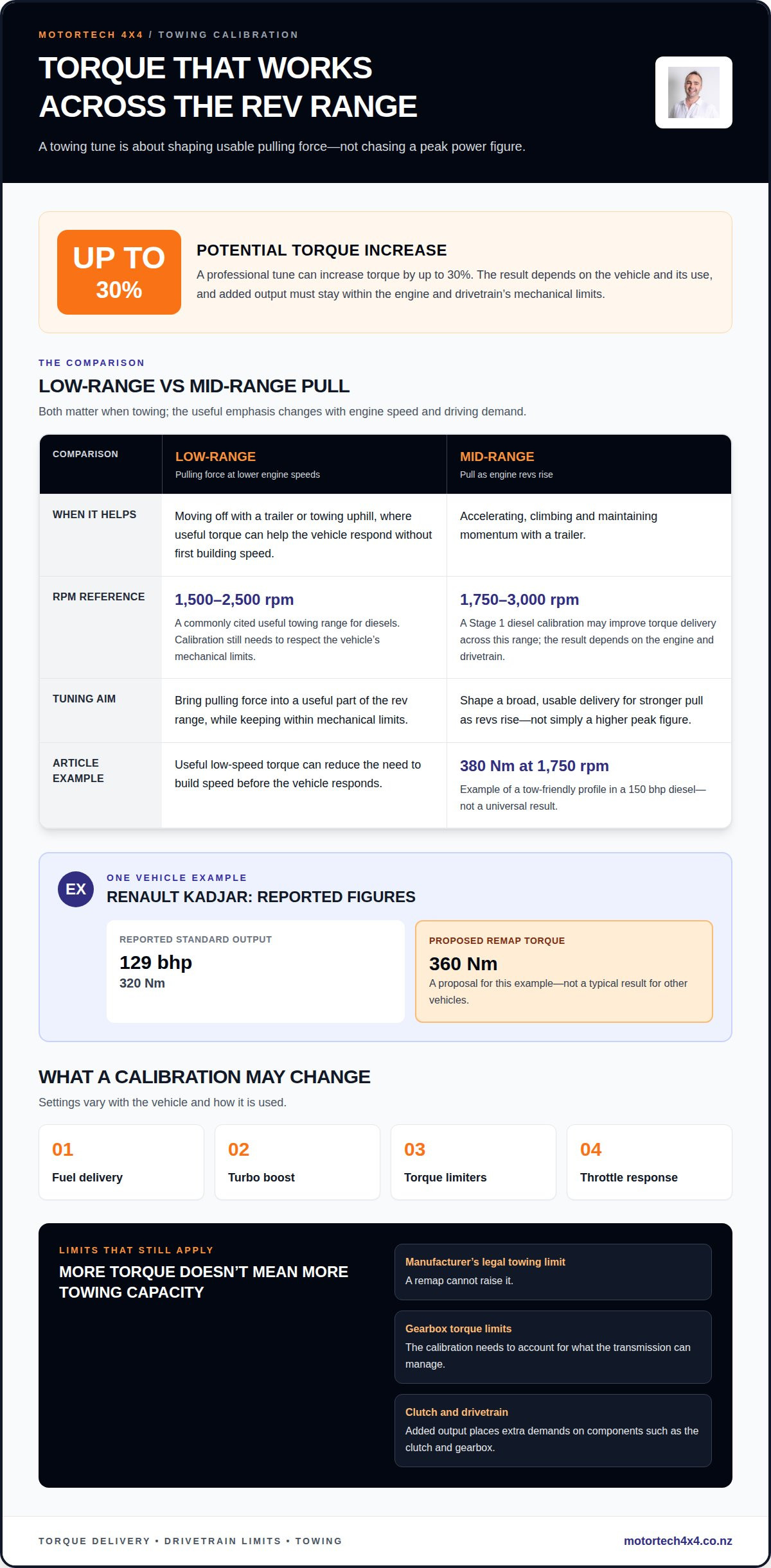
Low-range torque delivery is the engine’s pulling force at lower engine speeds. For a diesel towing uphill or moving off with a trailer, useful torque can reduce the need to build speed before the vehicle responds. A commonly cited useful towing range for diesels is 1,500-2,500rpm. Calibration in this range must still respect the vehicle’s mechanical limits.
Mid-range torque delivery
Mid-range torque delivery describes how strongly the engine pulls as revs rise beyond the lower range. This matters during acceleration, climbing and maintaining momentum with a trailer. For example, a tow-friendly profile could produce 380Nm from 1,750rpm in a 150bhp diesel. The shape of the torque curve matters: a broad, usable delivery can be more relevant than peak power alone.
A remap may adjust fuel delivery, turbo boost, torque limiters and throttle response, depending on the vehicle and its use. For diesels, a Stage 1 calibration may improve torque delivery between 1,750 and 3,000rpm. The changes need to suit the engine and drivetrain, rather than applying the same settings to every vehicle.
One Renault Kadjar example illustrates how figures relate to a specific vehicle. Its reported standard output was 129bhp and 320Nm, while a proposed remap was said to raise torque to 360Nm. Those figures describe that proposal, not a typical result for other Kadjar models or towing vehicles.
A professional tune can increase torque by up to 30%, but added output also places demands on components such as the clutch and gearbox. The vehicle’s towing capacity remains set by its manufacturer; extra torque does not raise that limit. Calibration should balance usable low- and mid-range pull against the drivetrain’s capacity.
A forum member said a car’s towing limit is based on whether it can pull away on a steep hill such as a 1 in 6 or 1 in 8 gradient without damage. That view highlights why low-speed control and drivetrain protection matter alongside torque figures, though it does not replace the manufacturer’s stated limit.
How towing affects engine performance
A trailer increases the work demanded of the engine and drivetrain. The vehicle’s condition and engine characteristics determine how it responds under sustained load.
Vehicle and engine suitability
A suitable towing remap is calibrated for the vehicle’s specific engine and drivetrain, which also need to be in sound condition for the intended load. The same software changes won’t suit every New Zealand vehicle or engine. Diesel engines may benefit from stronger delivery at lower engine speeds, but make, model, transmission and existing faults all affect suitability.
There isn’t one suitable model list for every tow vehicle. An experienced remapper should know the vehicle’s make and model, read fault codes and assess its general condition before changing the calibration. A vehicle that feels flat below 2,000rpm may have weak performance, but a remap won’t repair a boost leak, sticking turbo actuator, blocked air filter, worn clutch or DPF issue.
In New Zealand, a remap doesn’t guarantee a WOF pass or continued manufacturer warranty cover. WOF compliance depends on the vehicle’s condition and applicable requirements, while warranty cover depends on its terms and circumstances.
Remapping risks under tow
Towing with a remap can add demands on fuel use, engine temperature and drivetrain components. Sustained towing already makes the engine work harder, and increased output can add further load.
Fuel economy can worsen or improve depending on driving style, speed and trailer load; a remap can’t promise savings. Increased fuelling or boost under sustained load can also raise engine heat, so cooling-system condition and coolant levels matter. After tuning, follow service intervals and monitor oil quality, fluids, coolant and sensor performance.
Transmission life is another consideration. Applying more torque than the gearbox can manage may increase strain, while heavy towing can accelerate clutch wear. Four-wheel-drive components can also face extra stress, and unexpected mechanical failures on the road are why roadside recovery specialists like Dependable Towing & Recovery Services frequently assist stranded tow vehicles. A towing calibration must account for transmission torque limits, not simply maximise engine output.
The manufacturer’s maximum trailer weight, gross train weight, nose-weight limit and payload still apply after tuning. More engine performance doesn’t increase those limits or make an existing fault safe to tow with.
ECU remapping for towing
A towing calibration should suit the engine, transmission and load, rather than chase peak output. Its purpose is to provide more usable performance within the vehicle’s limits.
Towing and performance remap differences
A towing remap prioritises torque delivery and transmission behaviour under load; a standard performance remap may pursue broader power gains. That distinction matters when a vehicle regularly pulls a trailer, because engine output must work within gearbox torque limits. A suitable calibration considers how the vehicle is used and the conditions it tows in, rather than treating every driving requirement alike.
Certification, emissions and insurance rules
In New Zealand, a remapped vehicle must remain roadworthy, insured and compliant with applicable emissions requirements. Tell your insurer about the modification, as failing to disclose it can create problems with a claim. Certification requirements depend on the vehicle and modification, so don’t assume a tune changes the vehicle’s legal status or requirements.
Changes to towing performance
A towing remap may adjust fuel delivery, turbo boost, torque limiters and throttle response. These changes can alter how the engine pulls, but they don’t increase the manufacturer’s legal towing capacity. The stated maximum trailer weight, gross train weight, nose-weight limit and payload still apply after tuning.
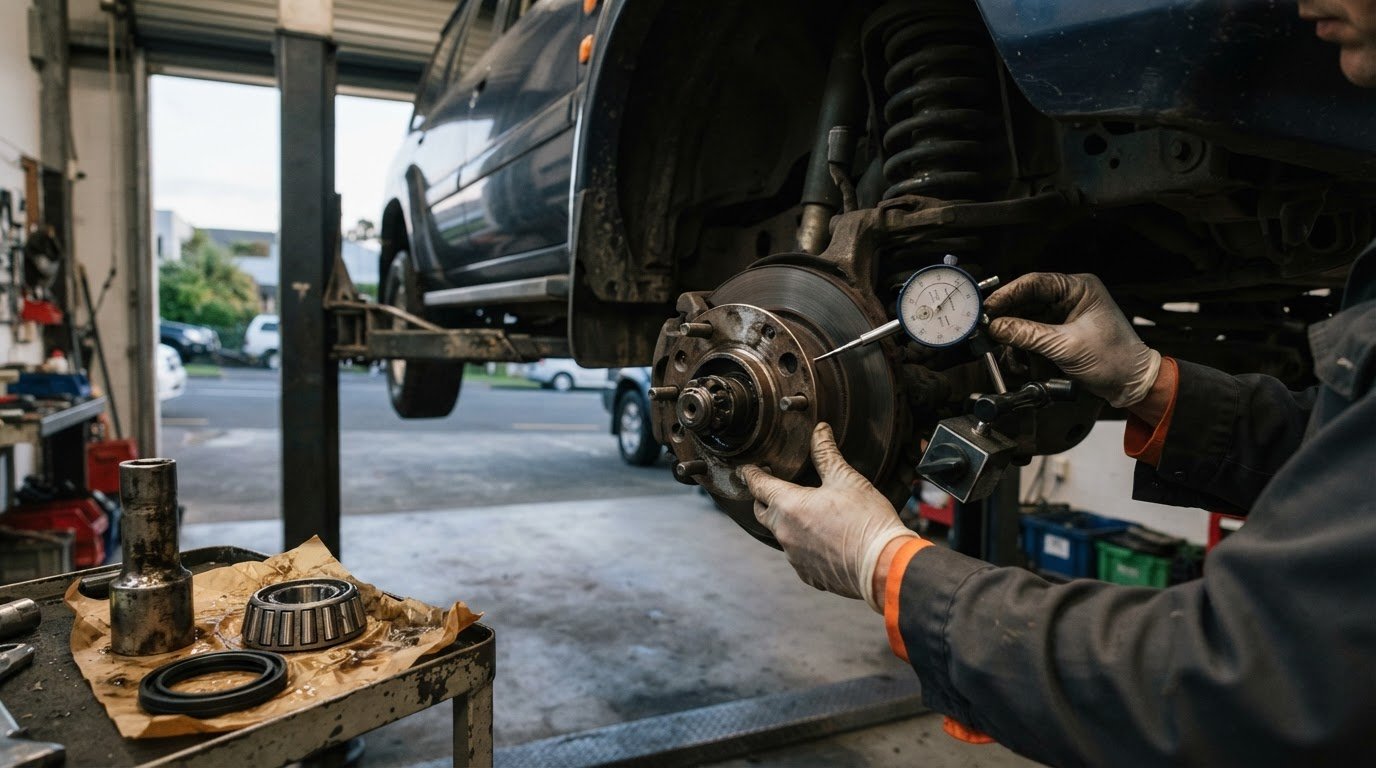
Before calibration, a specialist should assess the vehicle’s condition and fault codes. A remap won’t repair issues such as a boost leak, worn clutch or DPF fault. After tuning, follow service intervals and monitor fluids, oil quality, coolant levels and sensor performance—practices echoed by dedicated workshops such as Speedy Roo Motorsports & Repair Inc, which focus on thorough diagnostics and mechanical upkeep before demanding extra output from an engine.
Choosing a remapping specialist
Choose a tuner familiar with your vehicle’s make, model and towing requirements. The assessment should consider engine condition, fault codes and transmission limits before any changes are made. Ask for a towing-focused calibration that addresses behaviour under load, not just a peak power target.
For vehicle-specific calibration, explore ECU remapping services for your towing setup.
Forum members have warned that using increased power to tow uphill could put excessive strain on the clutch and gearbox, potentially causing premature failure. Other possible drawbacks they identify include higher insurance premiums, extra stress on engine components, clutch wear and potential four-wheel-drive system issues. Owners should also check that an ECU tune complies with applicable emissions standards.
Motortech 4X4
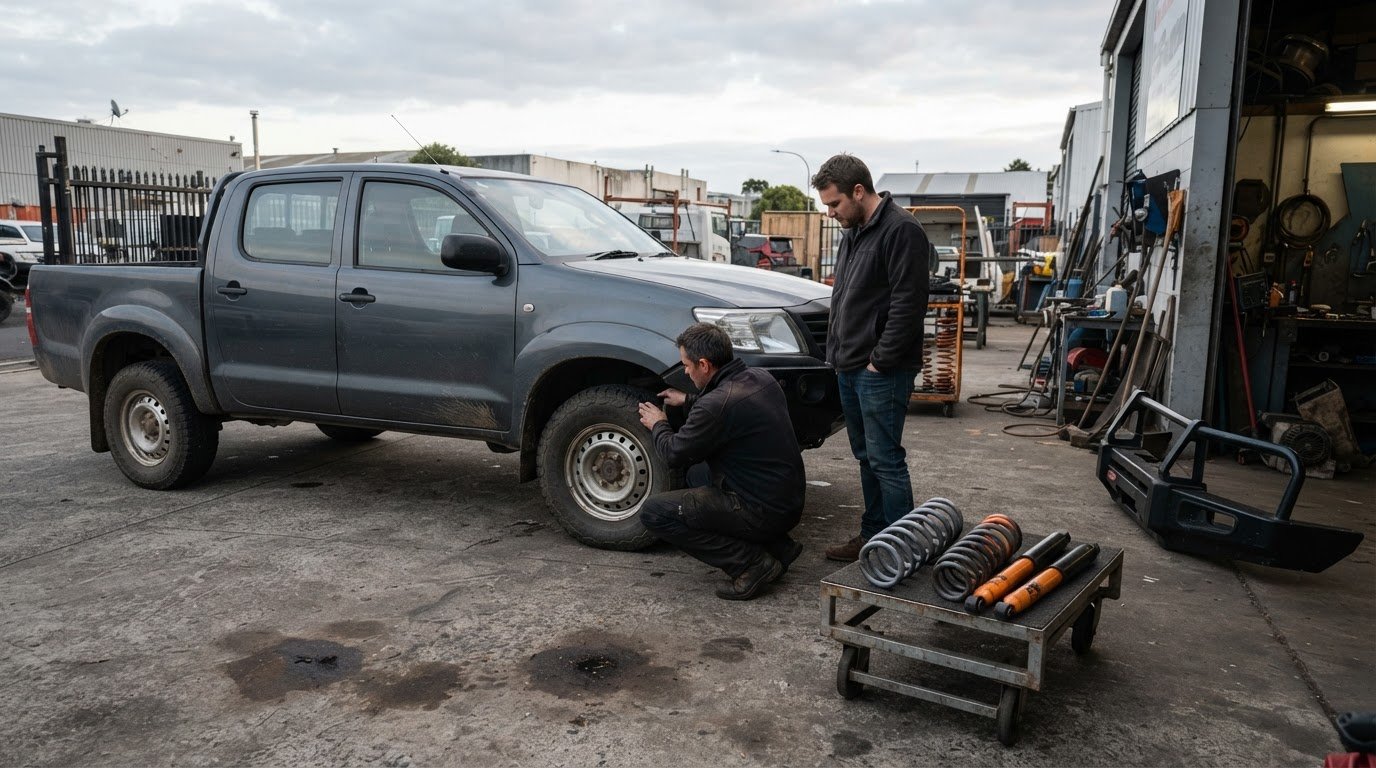
Motortech 4X4 can help you consider how your vehicle’s overall setup supports towing, alongside engine performance. If you’re weighing a remap, the vehicle’s load capacity and supporting modifications are part of the wider picture. Motortech 4X4 offers GVM Upgrades, Suspension Kits, Bullbars and Snorkels, which may be relevant to different vehicle builds and uses.
Discuss your vehicle, trailer and intended use to explore which options fit your setup. An engine tune cannot increase the manufacturer’s towing limits, so keep those limits central to any modification decision. Contact Motortech 4X4 to discuss your vehicle and towing requirements.
Plan your next towing setup
Before changing your vehicle’s calibration, define the towing conditions it needs to handle. Consider the trailer, typical routes and how the vehicle responds under load. These details help determine whether a towing-focused tune suits your needs and which drivetrain limits it must respect.
ECU remapping for towing should be one part of a considered vehicle setup, not a shortcut around mechanical limits. A practical discussion can focus on your vehicle, intended use and the performance issue you want to address, such as weak pulling power or unsettled gear changes.
Motortech 4X4 can help you consider the options for your vehicle and towing requirements. Contact Motortech 4X4 about towing to discuss your setup and take the next step with a clear plan.
Frequently Asked Questions
What is ECU tuning, and why does it matter for towing?
ECU tuning changes the software settings that manage how an engine operates. For towing, a suitable calibration can tailor throttle response and torque delivery to the vehicle’s work. This is particularly relevant if a loaded vehicle struggles to maintain momentum or feels less responsive on climbs. The tune must suit the engine and drivetrain, rather than treating every tow vehicle the same.
How much torque and power can a towing-focused ECU remap add?
A professional ECU tune can increase torque by up to 30%, while power gains depend on the engine and calibration. Torque and power figures aren’t interchangeable: torque affects pulling force, while power describes the rate of work across engine speed. For example, a vehicle’s usable towing performance also depends on transmission capacity and mechanical condition, so a headline gain alone doesn’t predict how it will behave with a trailer.