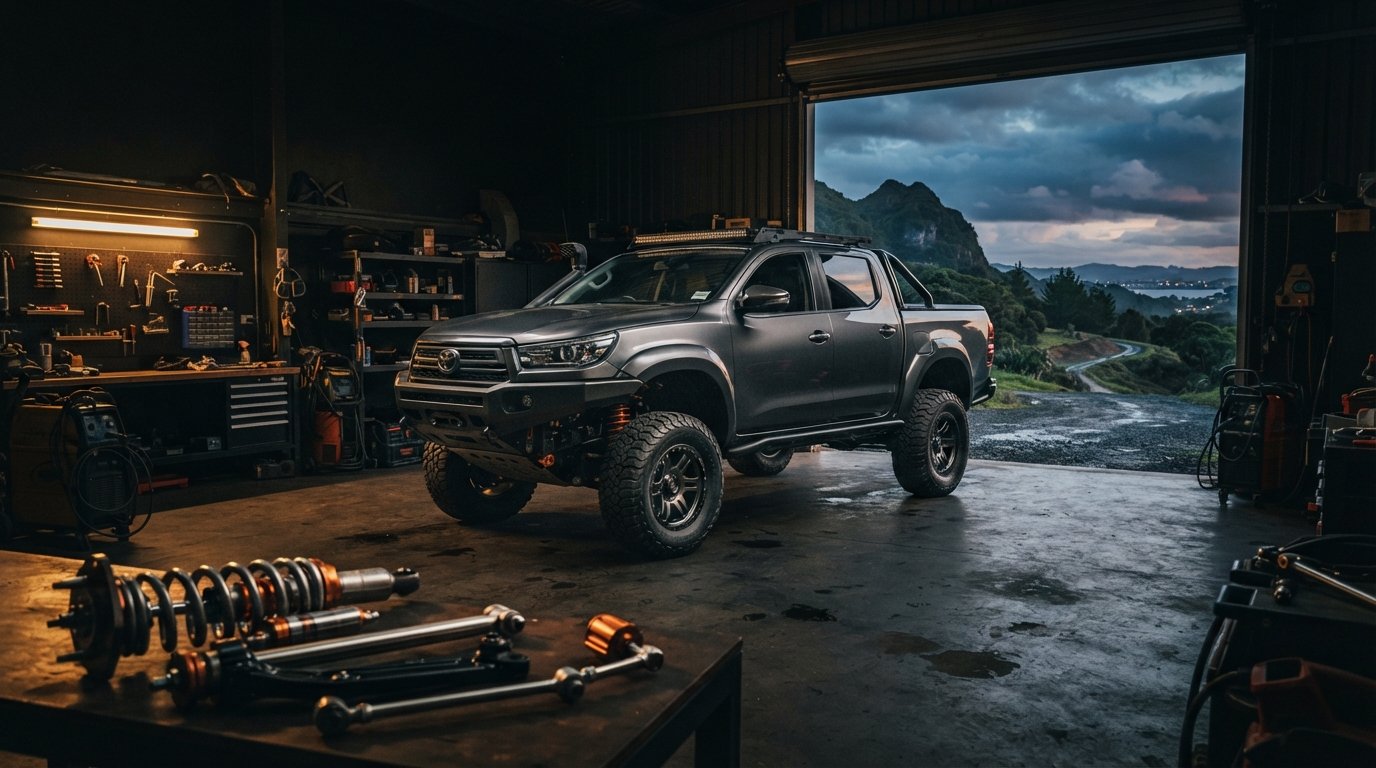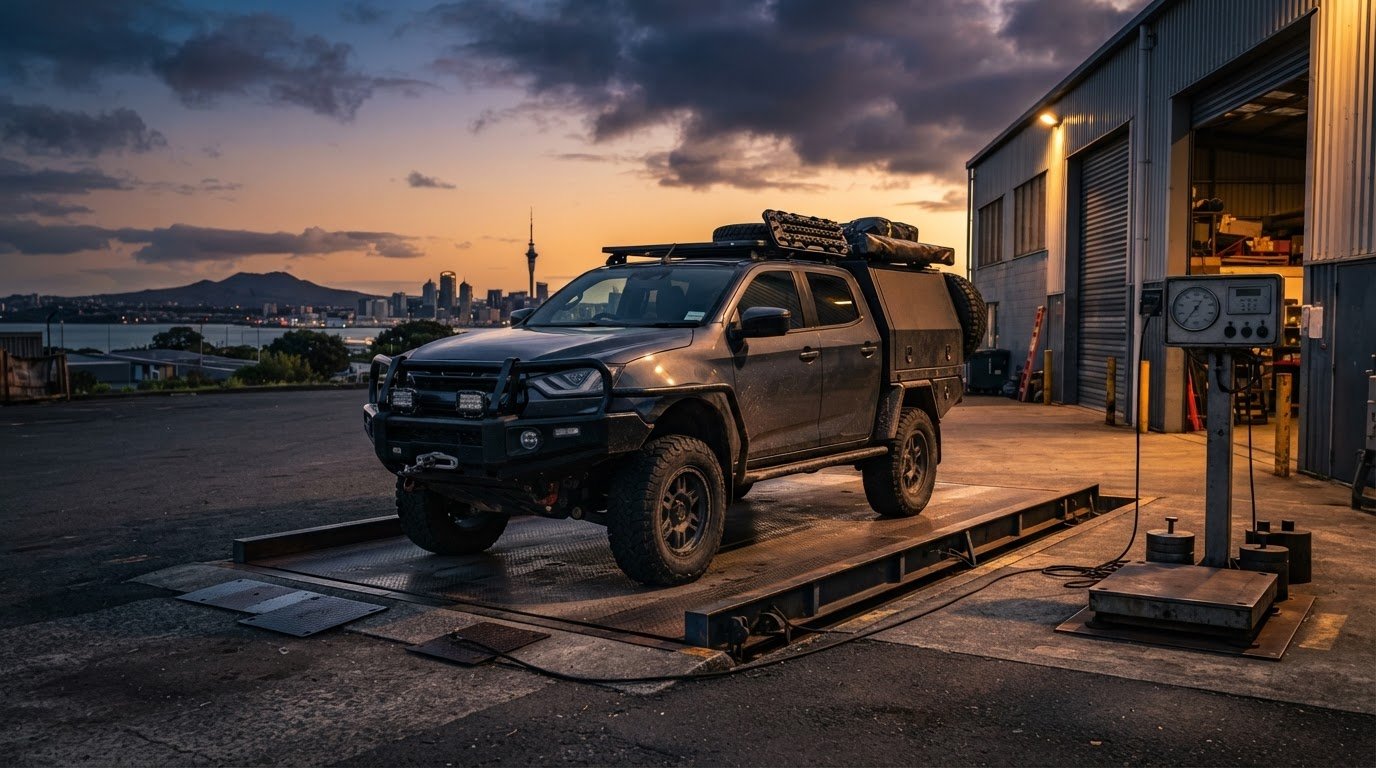
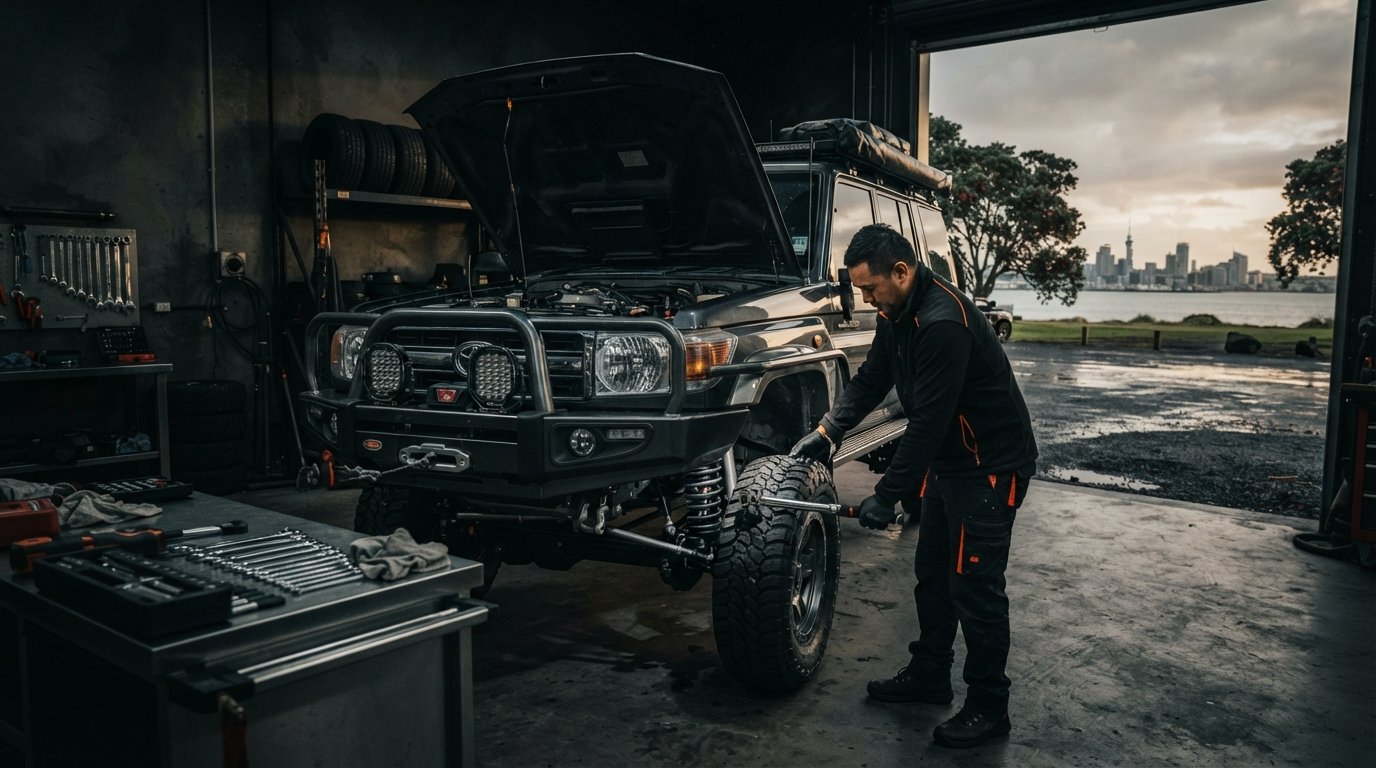
Could a single loose bolt on your aftermarket suspension be the difference between a legendary weekend and an expensive recovery mission? Many owners spend thousands on bullbars and winches, yet they often overlook how that extra weight impacts the vehicle’s structural integrity over corrugated tracks. It’s a common concern for any enthusiast. Before you head out, scheduling a professional pre-trip 4WD check Auckland is the only way to ensure your modifications remain secure and your GVM stays within legal limits. You want to push your rig to its limits without the nagging fear of a mechanical failure in a remote North Island location.
This guide provides a professional-grade technical audit designed for 2026 standards, moving beyond basic DIY advice to address the requirements of high-performance setups. We’ll walk you through a foolproof checklist that covers everything from ADAS calibration and suspension health to drivetrain reliability and tyre condition. You will gain the peace of mind that your family is safe and your rig is truly bush-ready for the toughest New Zealand terrain. It’s time to validate your modifications and prepare for the tracks ahead with confidence.
Key Takeaways
- Understand why a technical audit of high-stress components is superior to a standard oil change for preparing your rig for remote New Zealand terrain.
- Identify the specific maintenance required to combat Auckland’s environmental threats, from corrosive salt air at Muriwai to the clogging clay of the Coromandel.
- Learn how to perform critical driveline inspections, including CV boot checks and wheel bearing tests, to avoid being stranded in the bush.
- Discover the benefits of a professional pre-trip 4WD check Auckland to validate that your GVM upgrades and suspension kits are secure and road-legal.
- Develop a robust recovery gear audit process to ensure your winch, tyres, and lighting systems perform reliably when help is hours away.
Why a Pre-Trip 4WD Check is Essential for Auckland Adventurers
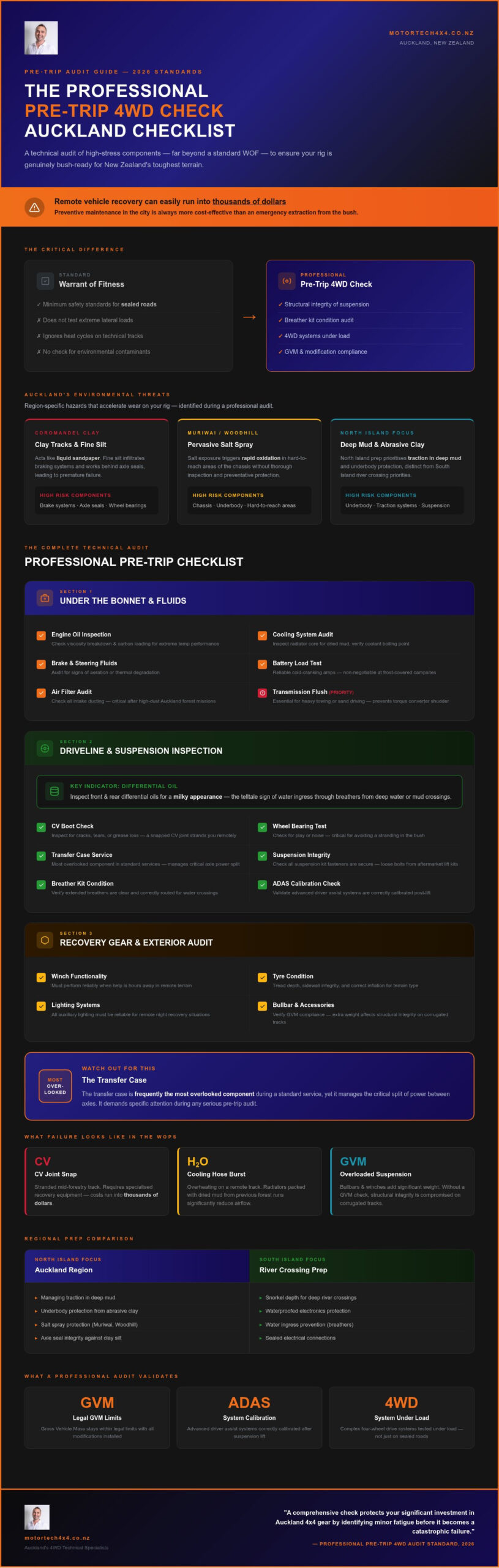
A pre-trip 4WD check Auckland is far more than a cursory glance at your dipstick or a quick tyre kick. It functions as a specialised mechanical audit of high-stress components that are rarely tested during city driving. While a standard Warrant of Fitness (WOF) ensures your vehicle meets minimum safety standards for sealed roads, it doesn’t account for the extreme lateral loads, heat cycles, and environmental contaminants encountered on technical tracks. Professional off-road readiness inspections focus on the structural integrity of your suspension, the state of your breather kits, and the health of complex four-wheel drive systems under load.
Understanding the NZ Off-Road Environment
Auckland drivers face unique environmental challenges that accelerate wear on even the most robust rigs. The notorious clay tracks of the Coromandel act like liquid sandpaper; this fine silt infiltrates braking systems and works its way behind axle seals, leading to premature failure. Similarly, frequent trips to Muriwai or Woodhill expose the chassis to pervasive salt spray. Without a thorough inspection and preventative protection, this salt triggers rapid oxidation in hard-to-reach areas.
While South Island touring often prioritises snorkel depth and waterproofed electronics for deep river crossings, North Island prep focuses on managing traction in deep mud and protecting the underbody from abrasive clay. A professional audit identifies these region-specific risks before they leave you stranded.
The Cost of Failure in the Wop-Wops
Mechanical failure in remote New Zealand locations is a logistical nightmare. When a CV joint snaps or a cooling hose bursts in the middle of a remote forestry track, you aren’t just looking at a repair bill. Remote vehicle recovery can easily run into thousands of dollars, especially if specialised equipment or multiple vehicles are required to reach you. Beyond the financial impact, there’s a significant safety risk when a rig becomes disabled on a steep, technical incline.
A comprehensive check protects your significant investment in Auckland 4×4 gear by identifying minor fatigue before it becomes a catastrophic failure. Investing in a professional pre-trip 4WD check Auckland ensures that your bullbars, winches, and suspension kits are actually ready to perform when the track gets tough. Preventive maintenance in the city is always more cost-effective than an emergency extraction from the bush.
The Essential Under-the-Bonnet and Fluid Checklist
The engine bay is the nerve centre of your rig. While meeting basic Warrant of Fitness vehicle requirements ensures roadworthiness, it doesn’t guarantee performance under the sustained high loads of off-road touring. A thorough pre-trip 4WD check Auckland starts with a forensic look at your engine oil. We check for viscosity breakdown and carbon loading, ensuring your lubricant can handle the extreme temperatures of low-range hill climbs in the Kaimai Ranges or the central North Island.
Cooling efficiency is equally critical for heavy vehicles. Off-roaders often find their radiators packed with dried mud from previous forest runs, which significantly reduces airflow and leads to overheating. We inspect the core for debris and verify the coolant’s boiling point. We also audit brake and power steering fluids for signs of aeration or thermal degradation. Finally, we load-test your battery. Reliable cold-cranking amps are non-negotiable when you’re waking up in a frost-covered campsite far from the city.
Driveline Fluids: The 4×4 Lifeline
Driveline components are the most vulnerable to environmental contamination during deep water or mud crossings. We inspect front and rear differential oils for the milky appearance that indicates water ingress through breathers. The transfer case is frequently the most overlooked component during a standard service, yet it manages the critical split of power between axles. For those planning heavy towing or extensive sand driving at Muriwai, a professional transmission flush is essential to prevent torque converter shudder and fluid burnout.
Filtration and Engine Breathing
Clean air is vital for engine longevity, especially after an Auckland forest mission where dust levels are high. We perform an air filter audit and check all intake ducting for secure fitment. For remote NZ touring, carrying a spare fuel filter is a mandatory precaution against contaminated diesel at rural pumps. We also verify that your Safari Snorkel is fully sealed. A snorkel is only effective if the connections between the head and the airbox are watertight, protecting your engine from catastrophic hydraulic lock during river crossings.
Ensuring these systems are primed is the first step toward a successful trip. You can verify your rig’s readiness by booking a specialized 4×4 mechanical audit to confirm every fluid level is optimal before you depart.
Critical Driveline and Suspension Inspection: Beyond the Basics
High-load touring puts immense pressure on your vehicle’s mechanical hardware. A professional pre-trip 4WD check Auckland prioritises the inspection of CV boots and universal joints, as these are common failure points under stress. Even a pinhole tear in a rubber boot allows abrasive North Island clay to enter the housing, which destroys the joint within kilometres. We check for excessive play in universal joints and look for grease leakage that signals an impending failure before you hit the tracks.
Wheel bearings are another critical focus area. We perform a physical ‘shake test’ to detect lateral movement and listen for the characteristic low hum that indicates internal wear. We also audit suspension bushes and shackles for perished or cracked rubber. If these components are not replaced when they show signs of fatigue, they can snap under the vibration of corrugated roads, leading to dangerous metal-on-metal contact. Shock absorbers are also scrutinised for ‘sweating’, where a light film of oil indicates a failing seal that will eventually lead to a total loss of damping control.
Suspension and GVM Management
Adding heavy accessories like bullbars, winches, and rear canopies significantly alters your rig’s handling and weight distribution. We evaluate your suspension for visible sag when fully loaded to ensure you haven’t exceeded the effective travel of your springs. For vehicles carrying significant gear, GVM upgrades are the only way to maintain legal compliance and ensure the chassis can support the load safely. If you have recently installed a new lift kit, professional re-torquing of all U-bolts is mandatory. These fasteners often stretch slightly under their first few heat cycles and load stresses, and failing to tighten them can lead to axle shift.
Steering and ADAS Calibration
Steering components like tie-rod ends and steering dampers are highly vulnerable to impacts from jagged rocks or stumps. We verify these are straight and that the dampers haven’t lost their resistive pressure. Crucially, if your suspension height has settled or changed due to new modifications, ADAS calibration is a technical necessity. Modern safety sensors rely on a precise ‘line of sight’ relative to the ground. If your vehicle’s pitch or height is altered without recalibrating these electronic systems, features like autonomous emergency braking or lane-keep assist may not function correctly when you return to Auckland’s motorways.
Off-Road Recovery and Exterior Gear Audit
External hardware serves as your rig’s first line of defence against the elements. A comprehensive pre-trip 4WD check Auckland must include a rigorous inspection of your tyres. Jagged volcanic rocks in the central North Island or sharp shale on South Island riverbeds can easily slice sidewalls that are already weakened by age or previous impacts. We look for deep gouges and verify that tread blocks haven’t started ‘chunking’ from high-torque climbs. Winch maintenance is equally vital; we spool out the entire line to check for internal kinks or frays in synthetic rope. A seized winch motor or a snapped cable during a recovery is a preventable disaster that can leave you stranded for hours.
Vibration is the primary enemy of structural modifications. We inspect the mounting bolts for bullbars and rock sliders, as these often rattle loose over thousands of kilometres on corrugated gravel roads. Similarly, your roof racks NZ setup requires a systematic bolt-check. A loose rack doesn’t just create annoying wind noise; it can lead to catastrophic failure under the dynamic weight of a rooftop tent or fuel cans when you’re bouncing through technical sections.
Lighting and Electrical for Remote Camps
Night-time track navigation requires reliable auxiliary vehicle lighting to identify hazards that factory high-beams might miss. We test light bars and spot lamps for moisture ingress and secure wiring looms. For those relying on a dual battery system, we verify that your camping gear fridge isn’t drawing power from your primary starter battery due to a faulty isolator. A quick UHF radio signal test ensures you remain in contact with your convoy, which is a critical safety requirement when mobile coverage disappears in the wop-wops.
Recovery Kit Inventory
Your recovery kit is only as strong as its weakest link. We inspect snatch straps and soft shackles for UV degradation or abrasive wear that could lead to a snap under tension. Rated recovery points are non-negotiable; we ensure they are securely attached to the chassis and haven’t suffered stress fractures from previous heavy pulls. Carrying a high-lift jack or an exhaust jack is essential for self-recovery on soft sand, but these tools must be clean and lubricated to function when needed. Don’t wait until you’re bogged to find out your gear is compromised.
Ensure your recovery equipment and exterior accessories are up to the task by booking a professional rig audit at Motortech 4X4 today.
Professional Pre-Trip Inspections at Motortech 4X4 Auckland
Choosing the right facility for a pre-trip 4WD check Auckland is a decision that directly impacts your vehicle’s reliability and your family’s safety. At Motortech 4X4, we operate as a specialised technical hub rather than a high-volume generalist workshop. The ‘Motortech Difference’ is rooted in our team’s genuine passion for off-roading. Our technicians actually wheel the tracks they service, giving them a unique perspective on how different terrains affect specific makes and models. This first-hand knowledge allows us to identify subtle signs of fatigue or component wear that standard inspections often miss. We provide a comprehensive technical report after every audit, ensuring you have a clear understanding of your rig’s condition before you head into the bush.
One-Stop Shop for Modifications and Prep
Our Auckland workshop serves as a complete solution for both preventative maintenance and high-end performance enhancements. Many enthusiasts choose to coordinate their pre-trip inspection with the installation of 4×4 bullbars Auckland or heavy-duty rock sliders. We also offer expert advice and implementation for GVM upgrades, which are essential for touring rigs carrying heavy canopies or camping setups. By combining these services, we ensure that all new hardware is professionally fitted and that your vehicle’s suspension and braking systems are correctly tuned to handle the additional weight. You gain access to industry-leading brands and the precision of a specialist mechanical team.
Booking Your Auckland 4WD Service
Strategic planning is the key to a stress-free departure. We recommend booking your pre-trip 4WD check Auckland at least two to three weeks before your trip begins. This lead time is critical because it provides a buffer for sourcing specialised parts or performing complex driveline repairs if our audit uncovers any issues. When you arrive for your appointment, tell our team about your intended route and the total payload you expect to carry. This context allows us to tailor our inspection to your specific needs, whether you’re tackling the soft sands of the Far North or the technical tracks of the central plateau. We provide the final peace of mind required to hit the road with total confidence.
Secure Your Next Adventure with a Technical Rig Audit
Preparing for New Zealand’s remote tracks requires more than just a sense of adventure; it demands a rig that’s mechanically sound and legally compliant. By prioritising a professional pre-trip 4WD check Auckland, you ensure that every component, from your driveline fluids to your suspension shackles, is ready for the high-stress environments of the North Island. You’ve invested in quality gear, and a technical audit validates that your modifications will perform when you’re hours away from the nearest town. It’s the difference between navigating a technical climb with confidence and facing a costly recovery mission.
Motortech 4X4 stands as Auckland’s leading 4×4 performance specialists and a dedicated expert ADAS and GVM upgrade centre. We offer a full range of premium 4×4 accessories and professional fitting to ensure your vehicle is bush-ready. Don’t leave your family’s safety to chance on the tracks this season. Book your professional pre-trip 4WD check at Motortech 4X4 Auckland today and enjoy total peace of mind on your next escape. We’ll see you in the workshop before you hit the dirt.
Frequently Asked Questions
How often should I get a professional pre-trip 4WD check?
You should schedule a professional pre-trip 4WD check Auckland at least once a year or before any major expedition into remote areas. Even if your vehicle feels reliable during daily commutes, the sustained high-load conditions of off-roading expose hidden fatigue. Regular audits ensure that small issues, such as a weeping shock absorber or a loose wheel bearing, are resolved before they escalate into a catastrophic failure in the bush.
Can I do a 4WD pre-trip check myself if I have basic mechanical skills?
Basic visual inspections of fluid levels and tyre pressure can be performed at home, but a technical audit requires specialist equipment. Professional workshops use specific tools to load-test batteries, check for water ingress in differentials, and verify the structural integrity of aftermarket modifications. Identifying hairline fractures in recovery points or assessing complex electronic systems usually exceeds the scope of a standard DIY toolkit and requires a seasoned eye.
What are the most common 4WD failure points on New Zealand tracks?
CV joints and universal joints are the primary failure points due to the extreme angles and torque required on technical NZ tracks. Cooling system failures are also frequent, often caused by radiators becoming clogged with dried Coromandel clay. Additionally, electrical issues stemming from poorly secured dual battery systems or vibration-damaged wiring looms often leave vehicles disabled. A thorough inspection focuses on these high-stress areas to prevent being stranded in remote locations.
Does a standard car service cover everything needed for an off-road trip?
A standard car service typically focuses on engine oil and basic safety checks for sealed roads. It often neglects 4×4-specific components such as transfer case fluids, differential breathers, and the security of heavy accessories like winches or bullbars. A specialised pre-trip audit is designed to assess how your vehicle performs under the extreme lateral and vertical loads encountered off-road, which are not tested during a routine commuter service.
Why is a transmission flush recommended for 4x4s before a big trip?
High-load driving, such as towing a heavy trailer or navigating deep sand at Muriwai, generates excessive heat in the transmission. This heat degrades the fluid’s lubricating properties, leading to torque converter shudder and accelerated wear on internal clutches. A professional transmission flush replaces old, oxidised fluid with fresh lubricant, ensuring your gearbox can manage the thermal stress of a long-distance touring holiday without slipping, hunting for gears, or overheating.
What should I check on my suspension if I’ve recently added a heavy bullbar?
Adding a heavy bullbar significantly increases the load on your front springs and shock absorbers. You must check for visible suspension sag and ensure your spring rate is still appropriate for the new weight distribution. It is also vital to re-torque all mounting hardware and inspect the bushes for premature compression. If the front end sits too low, your approach angle is compromised and your vehicle’s safety sensors may require professional recalibration.
Do I need to recalibrate my ADAS sensors before a touring holiday?
Recalibration is mandatory if your vehicle’s ride height has changed due to settling suspension or the addition of heavy gear. Modern Advanced Driver Assistance Systems (ADAS) rely on cameras and radar sensors that are factory-set to a specific pitch relative to the road. If your rig is nose-heavy from a new bullbar or tail-heavy from a full canopy, these sensors may miscalculate distances. Professional ADAS calibration ensures your safety features function correctly.
What are the essential spare parts to carry for a remote NZ 4WD trip?
For remote New Zealand touring, you should carry a comprehensive kit including spare drive belts, radiator hoses, and a secondary fuel filter. Fuses, cable ties, and high-quality duct tape are essential for temporary trail-side repairs. It is also wise to carry a spare tyre in good condition and a basic tool kit tailored to your vehicle’s specific fasteners. These items allow you to manage minor mechanical issues without requiring an expensive recovery mission.