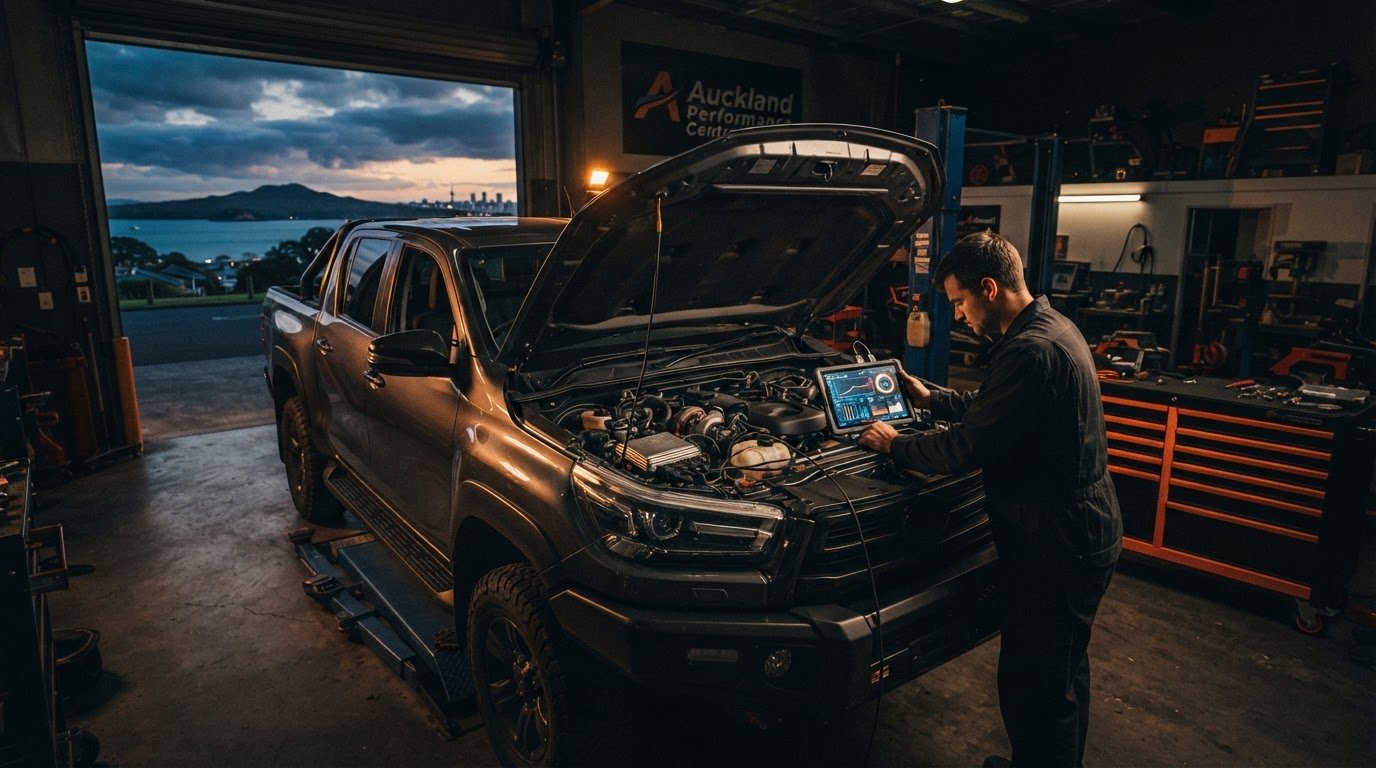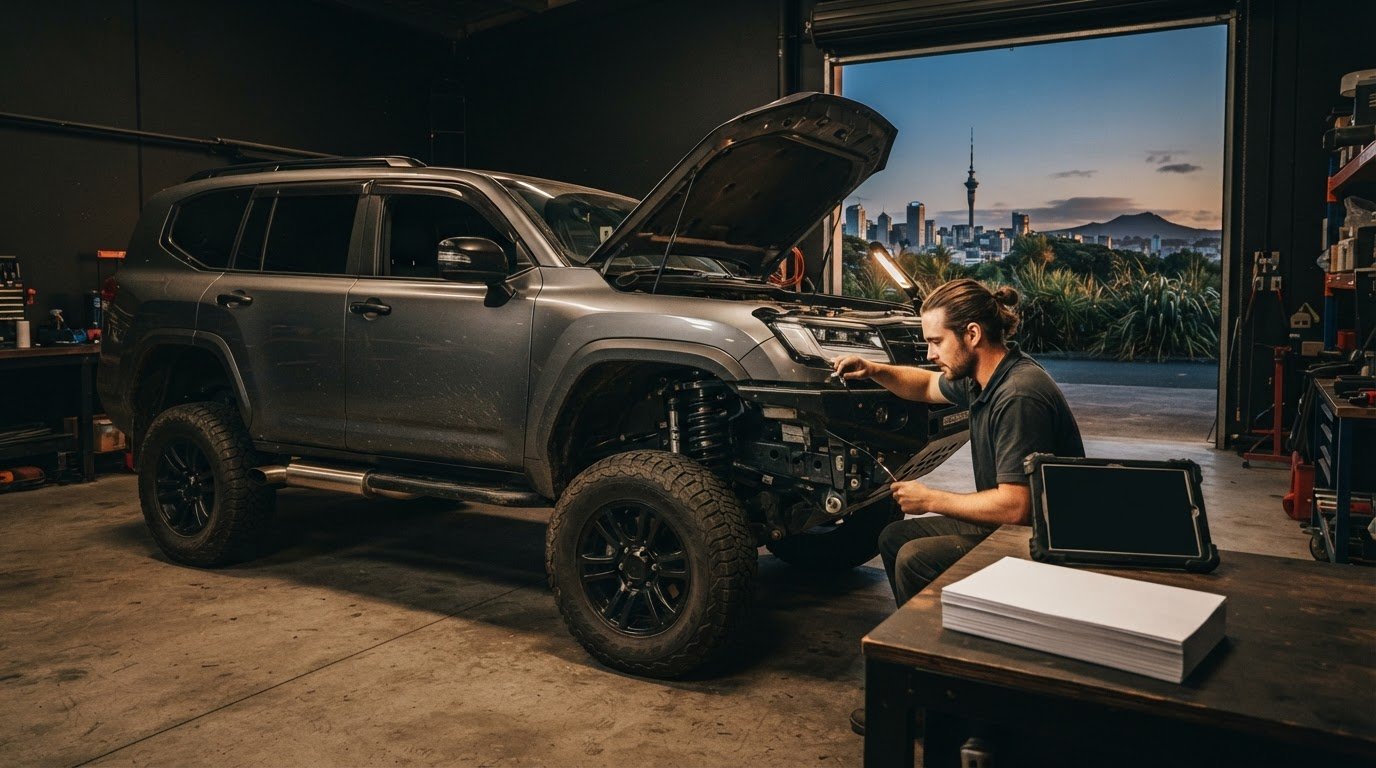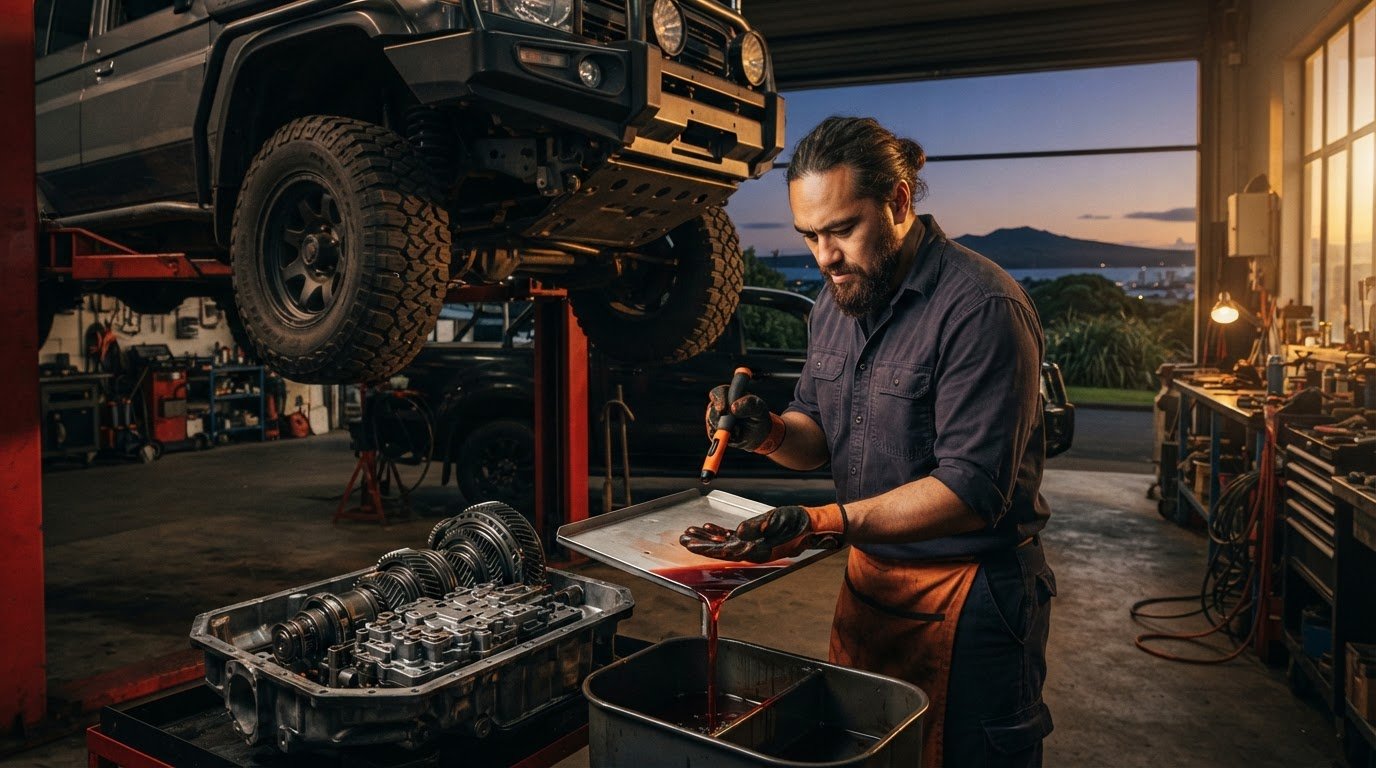
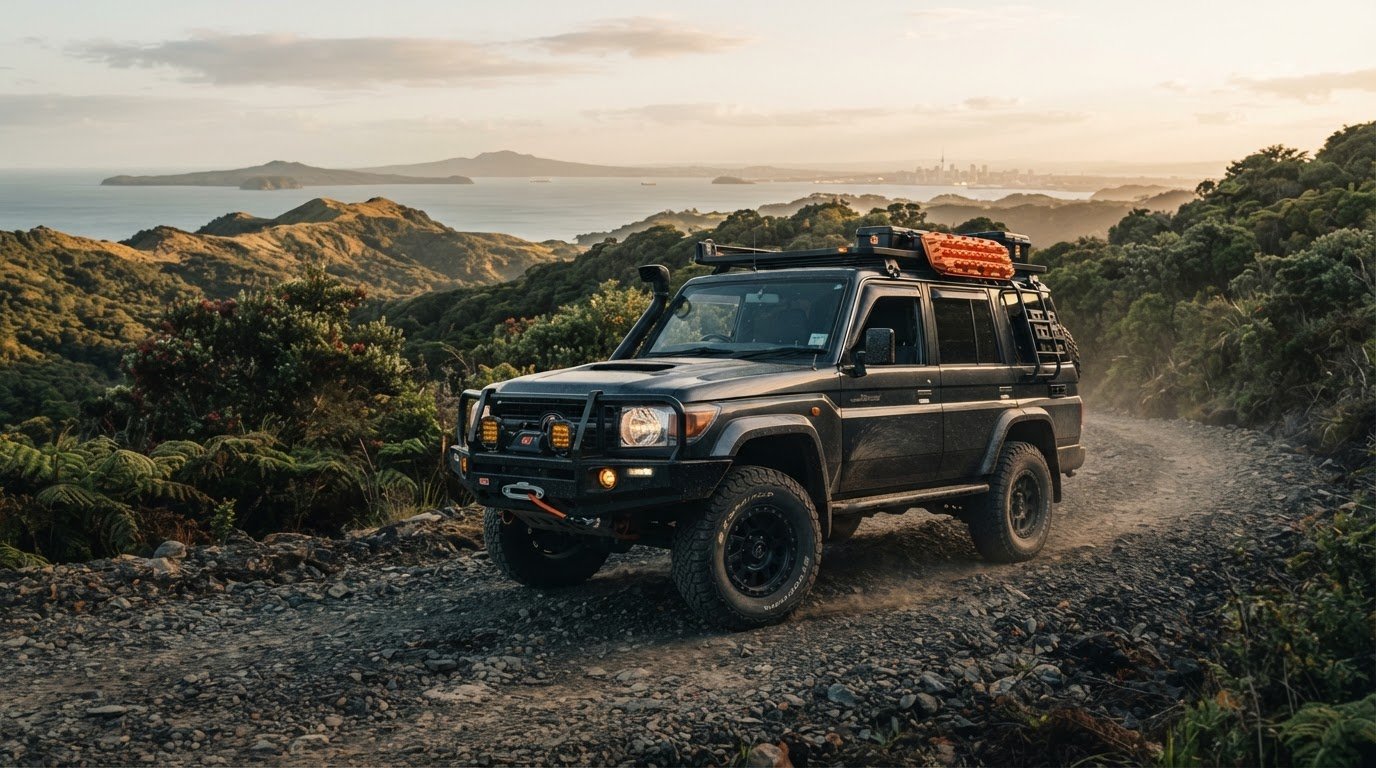
The best upgrade for your 4×4 isn’t always the most visible one. Choosing off road accessories Auckland drivers can use confidently starts with the vehicle’s real job: commuting, work, touring or tackling rough tracks. A bullbar, suspension kit or roof rack can add capability, but each also affects fitment, weight and everyday handling.
It’s easy to feel overwhelmed by the options. Compatibility and installation requirements aren’t always obvious, and accessories that look right on their own may not make sense as part of a complete setup. The aim is a capable, practical vehicle, not a collection of parts that compromises how it drives.
This guide explains how to match equipment to your plans, assess how upgrades work together, and account for fitment and everyday usability. You’ll find practical comparisons of suspension, bullbars, snorkels, canopies, tyres, winches and lighting, plus advice on coordinating supply and installation in Auckland. Motortech 4X4 brings accessory fit-outs and mechanical expertise together to help build a 4×4 around the way you use it.
Key Takeaways
- Start with how you use your 4×4, then prioritise protection, touring storage and recovery needs.
- Match accessories to your vehicle and consider fitment, load and how each upgrade affects the complete setup.
- More equipment doesn’t automatically mean more capability. Account for added weight, payload and preparation.
- Plan your fit-out step by step, recording vehicle details, existing modifications and typical passenger or cargo loads.
- Explore off road accessories Auckland options with a specialist that can coordinate supply, installation and related mechanical services.
Off-Road Accessories Auckland: Start With How You Use Your 4×4
Auckland drivers often ask one 4×4 to do several jobs: commute through the city, carry equipment for work and head away for weekend trips. The right setup depends on which jobs matter most. Before choosing products, group your needs into everyday protection, touring storage and recovery equipment. Then rank them by how often you’ll use them. This helps prioritise useful upgrades over gear that may rarely leave the driveway.
Accessories support a vehicle’s intended use, but they don’t change the fundamentals of how it drives. Understanding your vehicle’s four-wheel drive systems is one part of planning, alongside its existing specifications, load and the terrain you expect to travel. More equipment doesn’t automatically mean better capability. Added weight, awkward storage or a poor fit can make a vehicle less practical for its regular duties.
Match accessories to your driving and touring plans
Start with the trips and tasks you do repeatedly. Daily road use may make practical protection and easy parking priorities. Regular gravel travel may make suitable tyres more important. Remote touring can call for secure storage in a canopy, hardlid or roof rack, while commercial work may need space for tools and a fit-out shaped around the job.
Recovery equipment, such as a winch, is relevant when your planned travel calls for it, but it’s only one part of being prepared. Work out where passengers, tools, camping gear and other cargo will go. A roof rack can free up cabin or tray space, for example, but the load still needs to be considered as part of the whole vehicle setup. Prioritise recurring needs rather than building around an unlikely scenario.
Build an Auckland-ready setup without over-equipping
A 4×4 that spends most of its time in town still needs to suit Auckland roads, car parks and everyday errands. Balance those demands against the trips you actually plan beyond the city, rather than fitting every accessory that might prove useful one day. For work vehicles, consider routine access to tools and cargo. For touring, plan how equipment will be secured and reached.
If you drive in wet conditions or coastal environments, factor that exposure into equipment choices and ongoing vehicle care. A considered setup is usually more useful than a larger one. For wider local context on modifications and servicing, read the Auckland 4×4 guide. Apply the same planning when comparing off road accessories Auckland drivers might fit: match each item to your vehicle, load and regular terrain.
What Off-Road Accessories Do for Protection, Traction and Touring
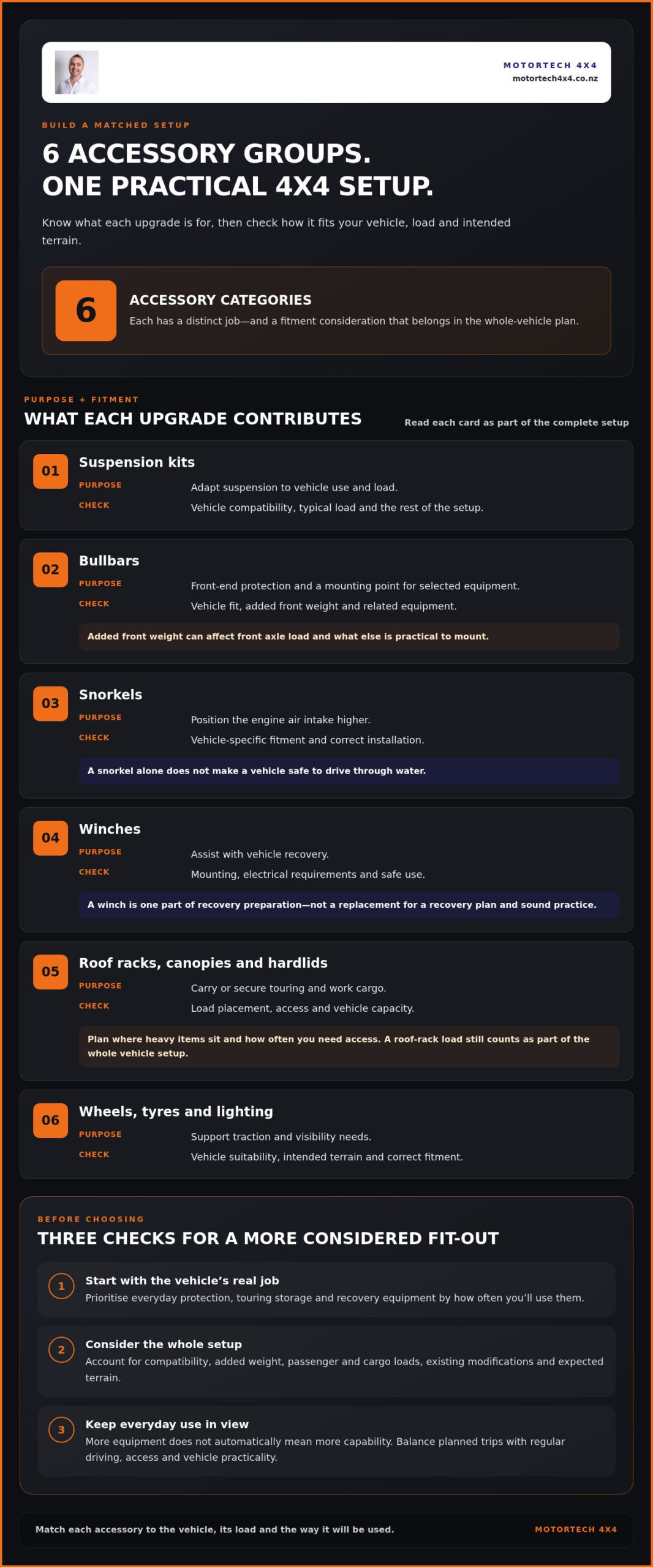
Each accessory has a job, but its effect depends on the vehicle and what else is fitted. A bullbar can help protect the front of a vehicle and provide a mounting point for selected equipment, while also adding weight at the front. A snorkel changes the engine’s air intake position; it doesn’t make a vehicle safe to drive through water. A winch supports vehicle recovery when correctly installed and used with suitable equipment and sound recovery practice.
Use this comparison to connect each category with its purpose and the fitment questions to consider:
| Accessory category | Primary purpose | Key fitment consideration |
|---|---|---|
| Suspension kits | Adapt suspension to vehicle use and load | Vehicle compatibility, typical load and the rest of the setup |
| Bullbars | Front-end protection and equipment mounting | Vehicle fit, added front weight and related equipment |
| Snorkels | Position the engine air intake higher | Vehicle-specific fitment and correct installation |
| Winches | Assist with vehicle recovery | Mounting, electrical requirements and safe use |
| Roof racks, canopies and hardlids | Carry or secure touring and work cargo | Load placement, access and vehicle capacity |
| Wheels, tyres and lighting | Support traction and visibility needs | Vehicle suitability, intended terrain and correct fitment |
Protection and vehicle capability accessories
Consider protection equipment as part of the whole vehicle. A bullbar may affect front axle load and influence what other equipment is practical to mount. A winch needs a suitable mounting arrangement and should be part of a recovery plan, not a replacement for one. Snorkel fitment must suit the vehicle’s intake system, and a snorkel alone doesn’t guarantee safe water crossings.
Suspension, storage and touring equipment
A suspension kit isn’t simply a choice of lift height. Vehicle compatibility, passenger and cargo loads, driving conditions and other modifications all matter. A setup suited to an unloaded vehicle may behave differently when it’s carrying work tools or touring gear. Read the suspension systems guide for more detail.
For storage, roof racks carry gear above the vehicle, while canopies and hardlids provide enclosed or covered tray storage. Plan where heavy items will sit and how often you need access. Wheels, tyres and lighting also need to suit the vehicle and its intended use, not just its appearance. The roof racks NZ guide explores rack selection and installation. Motortech 4X4 supplies and installs these accessory categories, so fitment can be considered as part of the setup. Explore 4×4 accessories and fitment as you plan a matched system.
Do More Off-Road Accessories Always Mean a More Capable 4×4?
No. Accessories can support a vehicle’s intended use, but they can’t replace driver judgement, trip preparation or responsible recovery practice. Each addition also changes the vehicle in some way. A setup that suits one 4×4 may not suit another, even when both are used for similar trips.
Think about the complete vehicle. Equipment fitted to it and cargo carried inside or on it all contribute to overall mass. That can reduce available payload and affect how the vehicle responds on the road. Added height or suspension changes may also affect clearance and handling, while front-mounted equipment can influence visibility and balance. Consider these trade-offs before adding more gear.
How modifications can affect weight and road behaviour
Build a realistic load picture that includes accessories, passengers, tools, camping equipment and other cargo. A GVM upgrade may be relevant to a vehicle’s payload plan, but it doesn’t remove the need to account for the vehicle’s other limits or how it behaves under load. Motortech 4X4’s GVM upgrades Auckland guide provides related information to help you consider this part of a wider fit-out.
Check how each change works alongside existing modifications. Suspension, wheels and tyres, bullbars and storage can combine to affect vehicle mass, clearance and handling. Assessing each item in isolation can hide the cumulative effect.
Fitment, safety and New Zealand compliance considerations
Correct fitment matters, particularly for structural changes, suspension work and equipment that interacts with vehicle systems. Compatibility is vehicle-specific. Mounting points, existing modifications and intended load can all influence what’s suitable. A professional assessment can bring these factors together before parts are selected and installed.
Modification and certification requirements depend on the vehicle and the work involved, so don’t rely on a blanket rule or assumed lift height. Check current NZTA and Low Volume Vehicle Technical Association (LVVTA) guidance for applicable requirements. For off road accessories Auckland owners can use with confidence, the goal is a balanced, properly fitted setup that preserves practical road use as well as capability for planned trips.
Plan Your Off-Road Accessory Fit-Out in Auckland Step by Step
A clear plan helps prevent incompatible choices and keeps your 4×4 useful for its regular duties. Before selecting off road accessories for your vehicle, record what it needs to do, what it already has and what it will carry. Use this sequence to turn those details into a coordinated fit-out.
- 1. Define how you use the vehicle. Note your regular routes, work requirements and planned touring. Separate everyday needs from occasional trips so essential equipment takes priority over additions for unlikely situations.
- 2. Identify the vehicle and its current setup. Record the make, model and year, along with existing modifications. Include suspension changes, wheels and tyres, bullbars, storage equipment and any other additions that could affect compatibility.
- 3. Prioritise equipment. List what each accessory needs to achieve, such as carrying tools, securing touring gear or supporting planned travel. Mark essential items first, then consider optional additions or future upgrades. This helps you plan the complete setup instead of choosing parts one at a time.
- 4. Plan fitment as a coordinated job. Share typical passenger and cargo loads, including tools, camping equipment and other gear. Group related accessories so compatibility, installation requirements, weight and access can be considered together. Motortech 4X4 supplies and installs 4×4 accessories in Auckland, with mechanical services alongside accessory fit-outs.
- 5. Review the finished setup. Consider how the vehicle works with its usual load. Check practical factors such as visibility, access to cargo, clearance and everyday usability, and make sure the result still suits regular driving and planned trips.
Prepare a clear vehicle and use brief
Bring the details together in a short written brief. Include the vehicle make, model and year; current modifications; work or touring requirements; intended routes; and typical passenger and cargo loads. For example, a work ute carrying tools daily has different storage priorities from a vehicle mainly set up for camping trips. If touring storage and equipment are part of the plan, explore this camping gear touring guide before finalising the layout.
Coordinate equipment, installation and follow-up
Having supply and installation handled by one Auckland specialist can keep related decisions together. Motortech 4X4 coordinates accessory fitment and considers relevant mechanical requirements as part of the vehicle setup. A clear explanation of the planned installation and relevant checks helps you understand how the finished fit-out is intended to work as a system.
Ready to turn your requirements into a practical plan? Plan your 4×4 fit-out with Motortech 4X4.
Off-Road Accessories Auckland: Get Supply and Fitment in One Place
Choosing equipment is only part of a successful 4×4 fit-out. Accessories need to suit your vehicle, work together and be installed with its intended use in mind. Motortech 4X4 is an Auckland-based specialist retailer and service centre that supplies and installs 4×4 accessories, with mechanical services available alongside accessory fit-outs.
A specialist workshop for a complete 4×4 setup
Motortech 4X4 supplies and installs suspension kits, bullbars, snorkels and GVM upgrades, as well as canopies, hardlids, roof racks, winches, wheels, tyres and vehicle lighting. The right combination depends on the vehicle and what it needs to do. A work ute carrying tools, for example, has different priorities from a vehicle set up for touring. Both need equipment selected with their loads and existing modifications in mind.
Coordinating supply and installation can bring those decisions together. Consider a suspension change alongside the vehicle’s usual load and other modifications. Storage choices affect where cargo is carried and how it’s accessed. Lighting, wheels and tyres also need to match the vehicle and intended use. Treating each item as part of one planned setup helps avoid a collection of upgrades that don’t work well together.
This isn’t a one-size-fits-all package. A suitable fit-out starts with the vehicle’s make, model and year, its current configuration, and your priorities for commuting, work or travel. Motortech 4X4 considers accessory fitment alongside relevant mechanical requirements, keeping the plan grounded in how you’ll use the vehicle.
Take the next step with Motortech 4X4
To start planning, outline your vehicle details, the work or trips it needs to handle, any modifications already fitted and the upgrades that matter most. Include typical passenger and cargo loads too. This gives the fit-out discussion a practical starting point and helps shape accessory choices around your vehicle and requirements.
For off road accessories Auckland drivers can have supplied and installed with the wider vehicle in mind, take the next step with Motortech 4X4. Discuss your off-road accessories with Motortech 4X4.
Build a 4×4 Setup That Works as a Whole
A capable setup starts with your real driving plans, not a long list of accessories. Prioritise what you need for work, everyday road use and touring, then consider how each addition affects fitment, load and the vehicle’s overall behaviour. More equipment isn’t automatically better. The most useful setup is one that works together and suits your 4×4.
For off road accessories Auckland drivers can have supplied and installed with the wider vehicle in mind, Motortech 4X4 brings accessory fit-outs and mechanical expertise together. As an Auckland-based specialist retailer and service centre, it supplies and installs a broad range of 4×4 equipment, with mechanical servicing and fleet fit-out capability alongside it. Your vehicle’s use and related requirements can inform the fit-out plan.
Start with your vehicle details, current modifications, typical loads and priority upgrades. Discuss your off-road accessories with Motortech 4X4 and take the next step towards a well-matched setup for the jobs and journeys ahead.
Frequently Asked Questions
Which off-road accessories should I fit to my 4×4 first?
Start with the equipment that solves a regular driving, work or touring need. Record your vehicle details, current modifications and typical passenger or cargo loads, then prioritise essentials before optional upgrades. A work vehicle may need secure tool storage, while a touring setup may call for a canopy or roof rack. Consider how each choice affects the full vehicle setup instead of choosing accessories by appearance alone.
Are off-road accessories suitable for everyday driving around Auckland?
Yes, if the accessories suit your vehicle and daily use. Consider how added equipment affects parking, visibility, handling, access and the load you carry. A roof rack may be useful for occasional touring gear, but it adds equipment to a vehicle used for everyday errands. Planning for regular Auckland driving as well as trips beyond the city helps keep the setup practical for both.
Can I fit a bullbar, snorkel and suspension kit to the same 4×4?
These accessories can be fitted together on some vehicles, but compatibility and their combined effect need to be assessed for the specific 4×4. A bullbar adds weight at the front, a suspension kit changes the vehicle setup, and a snorkel must suit the engine’s intake arrangement. Existing modifications, visibility, vehicle systems and applicable certification requirements also matter. Professional planning helps account for how the components work together.
Do off-road accessories affect my vehicle’s payload?
Yes. Accessories and everything carried in the vehicle contribute to its overall load, reducing the payload available for passengers and cargo. Include items such as bullbars, roof racks, canopies, tools, camping equipment and luggage in your planning. A GVM upgrade may be relevant to some setups, but it doesn’t remove the need to understand the vehicle’s limits. Suitability depends on the vehicle and its modifications.
Do off-road modifications need certification in New Zealand?
Some modifications require Low Volume Vehicle (LVV) certification, depending on the vehicle and work involved. Current guidance states that suspension lifts greater than 50 mm require certification, and body lifts fitted to road-going vehicles require certification. A tyre rolling circumference more than 5% above the original specification also requires certification. These examples aren’t a complete assessment of every setup, so refer to current LVVTA guidance for requirements that apply to your vehicle.
Can Motortech 4X4 supply and install off-road accessories in Auckland?
Yes. Motortech 4X4 is an Auckland-based specialist retailer and service centre that supplies and installs a broad range of 4×4 accessories. Options include suspension kits, bullbars, snorkels, GVM upgrades, canopies, hardlids, roof racks, winches, wheels, tyres and vehicle lighting. The workshop also provides mechanical services, allowing accessory fitment to be considered alongside relevant vehicle requirements and intended use.
How do I choose accessories for touring and camping?
Plan around what you’ll carry, where it will be stored and how often you need to access it. A canopy or hardlid can provide covered tray storage, while a roof rack carries gear above the vehicle. Account for passengers, camping equipment and other cargo together, and consider how the total load affects the setup. Motortech 4X4 also supplies camping gear to support vehicle-based touring plans.