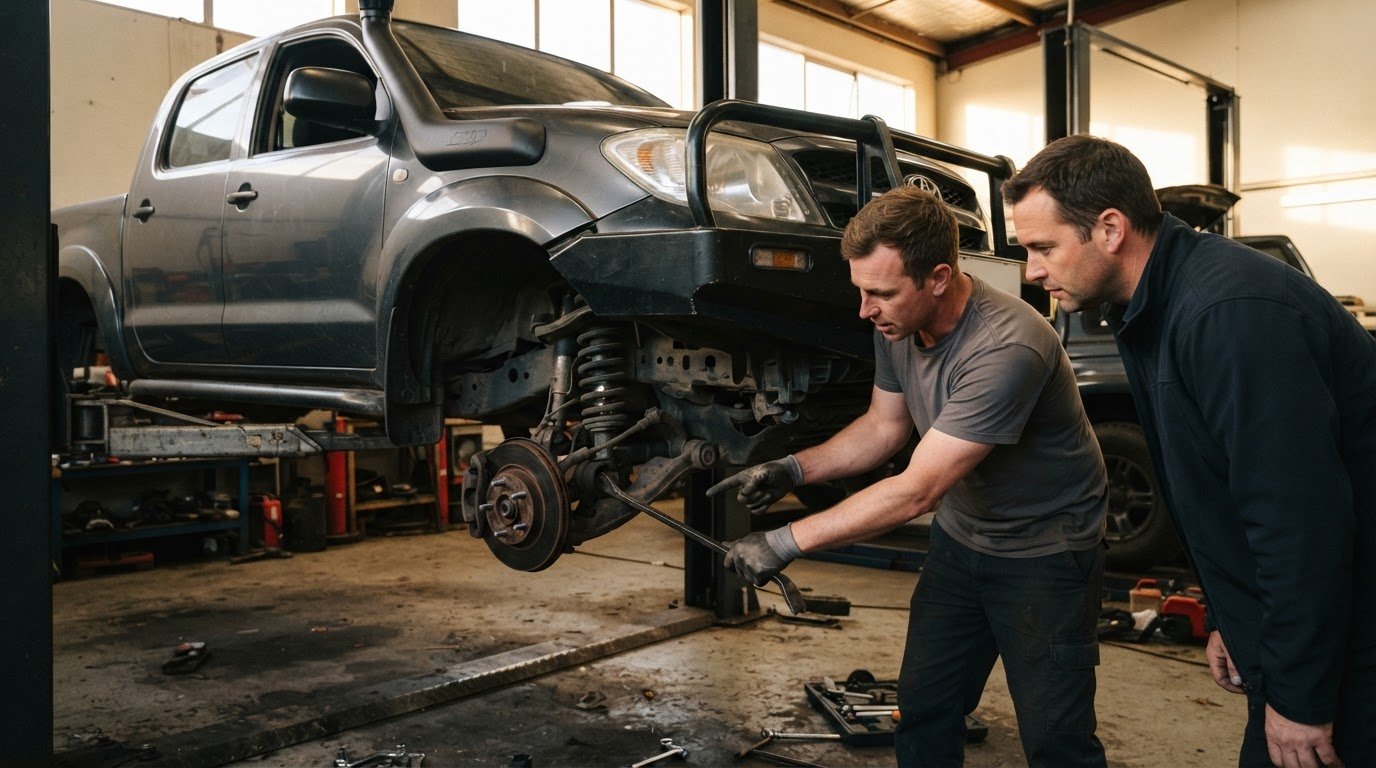
A skilled 4×4 mechanic combines relevant four-wheel-drive experience with sound diagnostic skills and clear communication. Knowing what to look for in a 4×4 mechanic means finding someone who understands diesel systems, can explain the fault and repair options, and gets your approval before carrying out work.
It’s reasonable to want more than a quick fix: careful diagnosis can help identify problems across a 4×4’s systems. Look for experience with 4WDs, evidence of a good reputation through reviews or recommendations, and a careful approach to checking that parts are fitted correctly and systems work as they should. This guide explains how to assess those qualities, what good diagnostic and service communication looks like, and how to judge whether a mechanic’s experience suits your vehicle. You’ll have a practical basis for choosing a specialist and discussing the work with confidence.
Key Takeaways
- Prioritise hands-on experience with four-wheel drives and the systems fitted to your vehicle.
- Look for a mechanic who can explain diagnostic findings, repair options and costs clearly before work begins.
- Use reviews and recommendations to assess a mechanic’s reputation and approach to customer service.
- Choose a workshop equipped to support your 4×4’s maintenance and modification needs as they arise.
What to look for in a 4×4 mechanic
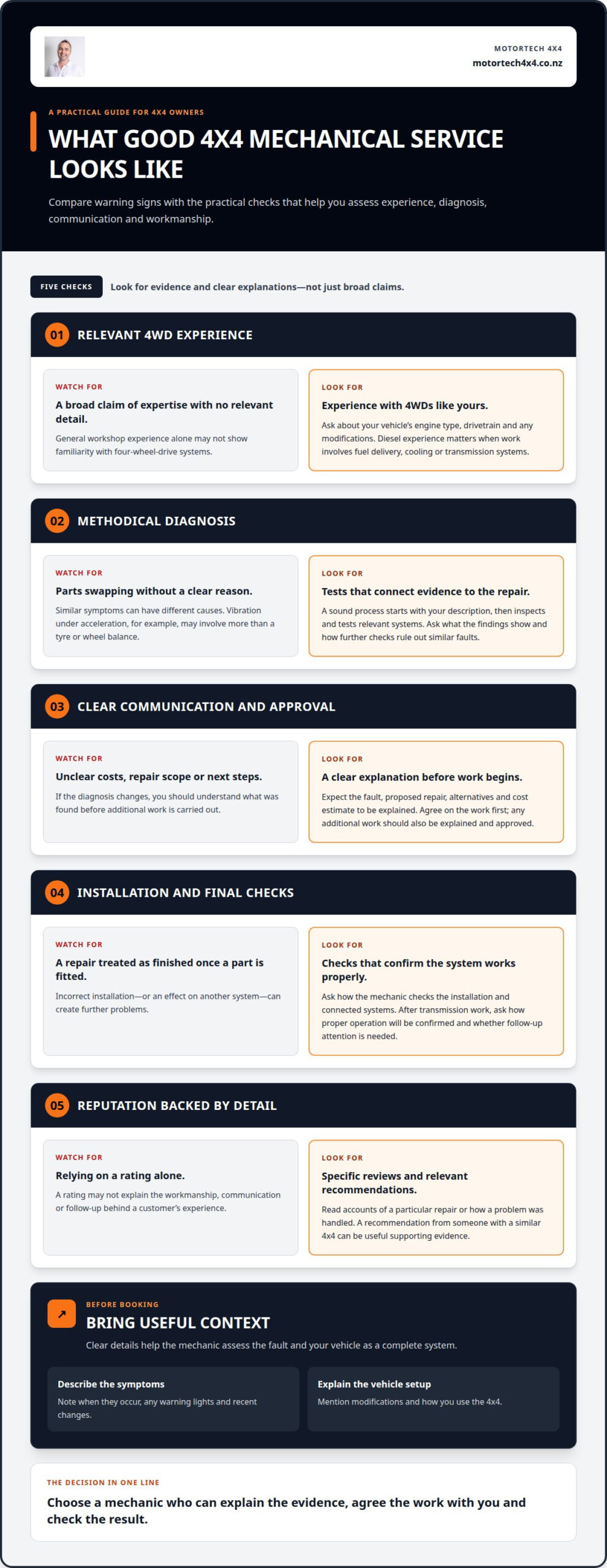
A 4×4 mechanic needs more than general workshop experience. Four-wheel-drive vehicles combine mechanical systems with driveline, suspension and electronic components that behave differently under load. A mechanic familiar with those systems can connect a symptom to its likely cause, then test that diagnosis before recommending repairs. For example, vibration under acceleration may involve more than a tyre or wheel balance. A clear diagnostic process helps separate the cause from symptoms that appear similar.
A practical way to judge what to look for in a 4×4 mechanic is to assess experience, diagnostic process and communication together. Ask whether the mechanic regularly works on four-wheel drives like yours, including its engine type and drivetrain. Experience with diesel 4WDs matters when work involves fuel delivery, cooling or transmission systems. A useful answer describes relevant work, rather than relying only on a broad claim of expertise. Experience with modified vehicles can also help when added equipment changes how components interact.
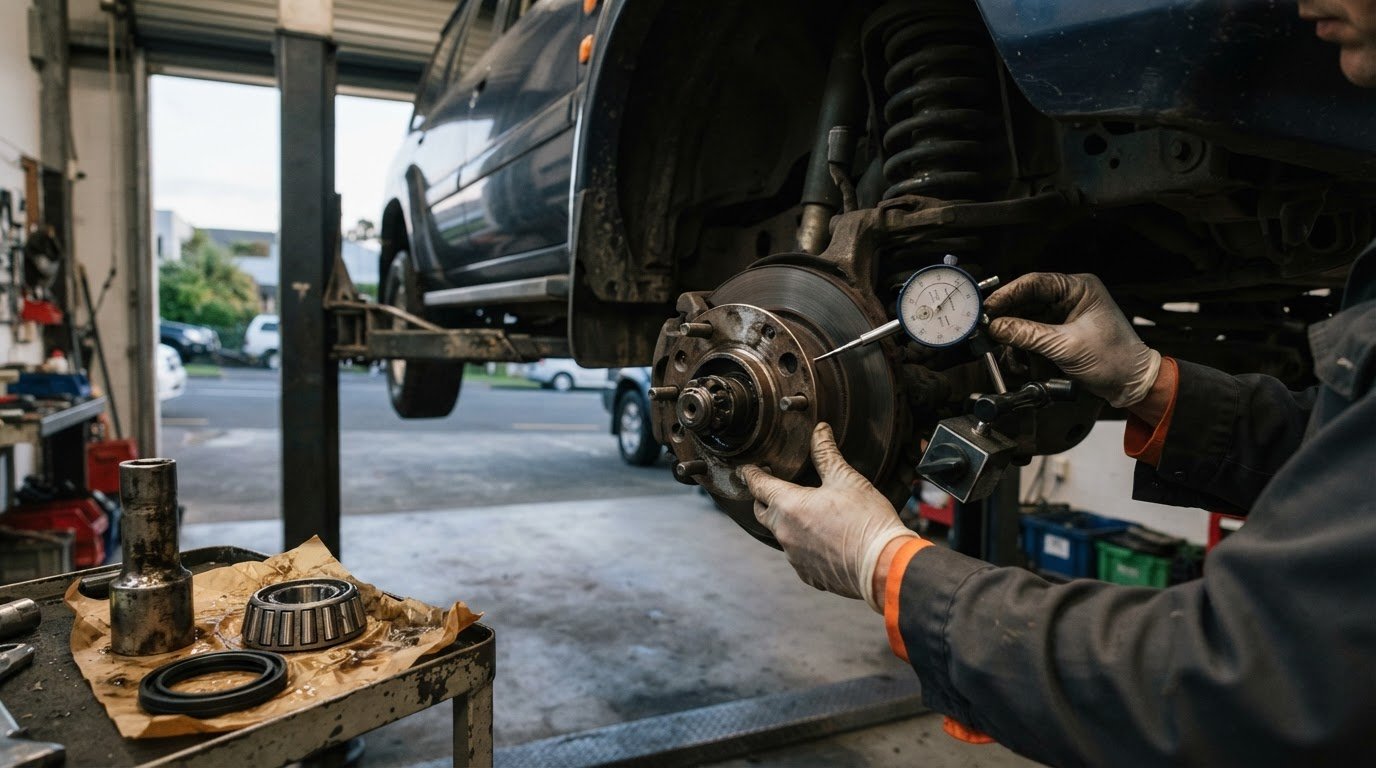
Look for a methodical diagnosis, not parts swapping. A good process starts with your description of the problem, when it occurs and any recent changes. The mechanic should inspect and test the relevant systems, such as the fuel, electrical, cooling and transmission components on a diesel vehicle. Ask what the findings show and how further checks distinguish the suspected fault from similar symptoms. For an intermittent issue, find out whether the mechanic can reproduce it or test the system under the relevant operating conditions.
- Relevant experience: Ask about work on comparable four-wheel-drive vehicles and diesel systems.
- Diagnostic reasoning: Expect test findings to support the repair recommendation.
- Clear approval: Agree on the proposed work before repairs proceed.
- Final checks: Confirm the mechanic checks installation and system operation after repairs.
Clear communication is part of good mechanical service. A useful explanation identifies the fault, proposed repair and any practical alternatives in straightforward terms. It distinguishes urgent work from items that can be monitored and explains the reason for each recommendation. Professional automotive workshops such as Fix My Car emphasise that transparent estimates and clear customer sign-off should always happen before any repairs proceed. If the diagnosis changes, the mechanic should explain the new findings and get your approval before doing additional work. This keeps the scope clear and helps you make an informed decision.
Careful installation and final testing matter as much as diagnosis. Even the right part can cause problems if fitted incorrectly or if it affects another system. Reputable full-service workshops such as Eagle Automotive highlight the importance of comprehensive post-repair checks to ensure replacement parts integrate properly with surrounding systems. A thorough mechanic checks the installation, confirms connected systems work correctly and explains the findings. After transmission work, for example, ask how the mechanic will check that it operates properly, rather than simply confirming the repair is complete. Ask for a clear explanation of any follow-up attention your vehicle may need.
Use reputation as supporting evidence, not a substitute for technical detail. Reviews, testimonials and recommendations can reveal patterns in communication, workmanship and follow-up. Read comments that describe a specific repair or explain how a problem was handled. A recommendation from someone with a similar 4×4 can be especially relevant, but it should not replace a discussion about your vehicle’s symptoms and service needs. Look for specific descriptions rather than relying on a rating alone.
According to the European Union, the posting requires a minimum of 3 years of relevant work experience without a car accident. This is a requirement for that posting, not a New Zealand rule for choosing a mechanic in Auckland. For a local workshop, focus on demonstrated 4WD experience, a sound diagnostic explanation and clear approval before work starts. Those practical indicators help you assess whether the mechanic’s experience fits your vehicle.
Before booking, note the symptoms, when they occur and any warning lights or recent changes. Share those details with the mechanic, then assess whether the explanation connects the evidence to the recommended repair. If the vehicle has modifications, describe them and explain how you use the 4×4. This gives the mechanic useful context for diagnosing the fault and considering the vehicle as a complete system.
Working with Motortech 4X4 ensures a shared understanding of what will be done and why. A 4WD owner can consider choosing a diesel mechanic who specialises in 4WDs and has additional training or experience with those vehicles. The mechanic should explain repair problems, solutions and costs clearly, provide transparent pricing, and get approval before doing work, so expectations remain clear throughout the repair.
Motortech 4X4
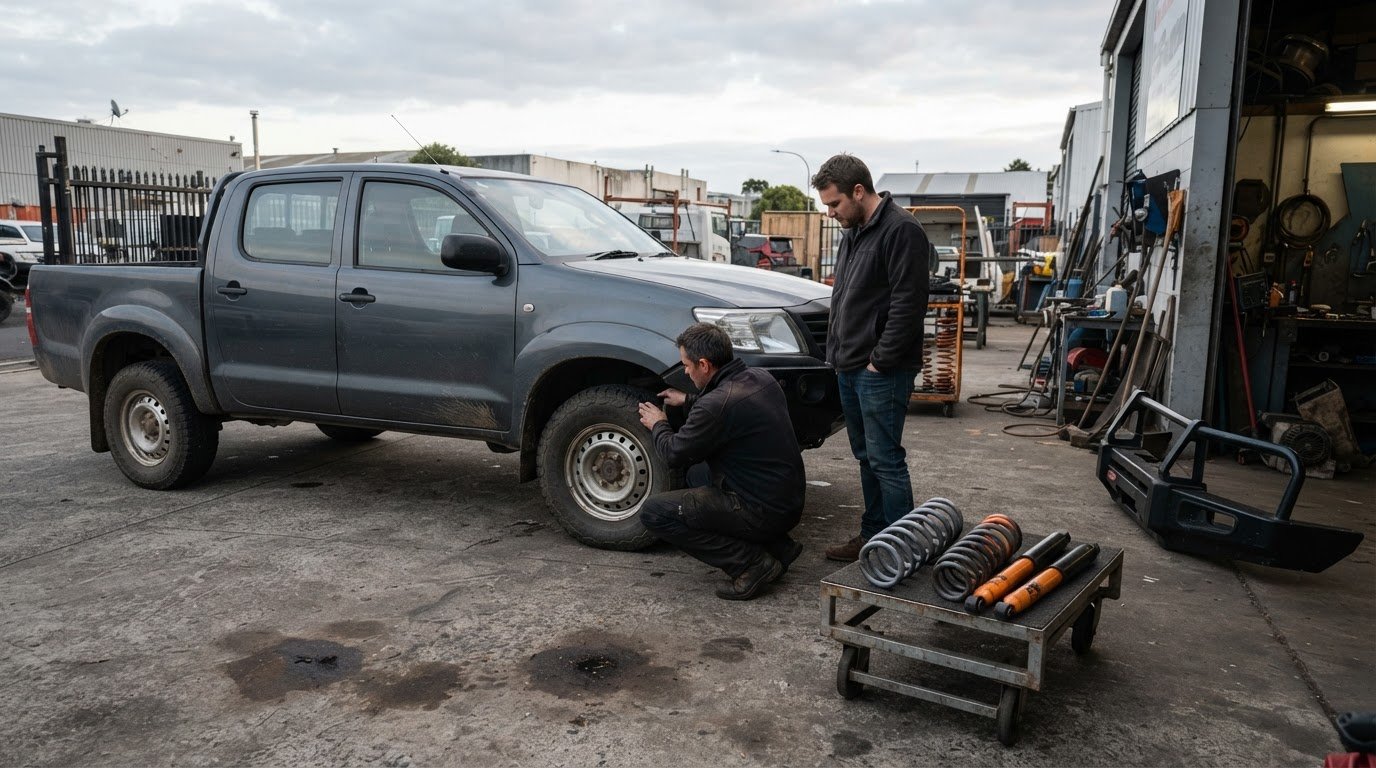
Motortech 4X4 is a natural next step when you need specialist support for a four-wheel-drive vehicle or its setup. Its service centre works with 4x4s, while its specialist offering includes Suspension Kits, Bullbars, Snorkels and GVM Upgrades. These options are relevant when your decision involves more than routine maintenance, such as planning a vehicle modification or considering how equipment fits your 4×4’s intended use.
For a mechanic selection decision, consider whether your needs centre on ongoing vehicle care or a specific upgrade. Motortech 4X4 can help with 4×4-related requirements that connect to its specialist products and services. Contact Motortech 4X4 to discuss your vehicle and what you’re looking to do.
Plan your 4×4’s next step
Choosing what to look for in a 4×4 mechanic is also about finding support that suits how you use your vehicle. If you’re planning changes, consider how each addition fits the 4×4 as a whole, from its intended use to the systems affected by the work. Suspension Kits, Bullbars and Snorkels are among the options available through Motortech 4X4.
Bring your priorities into the conversation, whether you’re addressing a vehicle concern or considering an upgrade. A clear understanding of the intended outcome helps shape a more informed discussion about suitable work for your 4×4.
Contact Motortech 4X4 today to discuss your vehicle and next steps. Make your next decision with a clearer plan and confidence in the direction ahead.