A 4WD that won’t engage doesn’t automatically need a new transfer case, but it does need attention if the problem persists. Schedule a repair check for warning lights, fluid leaks, grinding, clunking, whining or driveline vibrations. These are common 4WD problems to watch for, particularly when the vehicle struggles to shift between drive modes.
It’s easy to dismiss a warning light or unusual noise as a minor glitch. But faults can involve electronic controls, worn components or low fluid, and delaying an inspection may allow further damage.
This guide explains how to recognise four common fault areas, what may cause their symptoms and when to arrange a professional check. It gives particular attention to transfer case wear, leaks and engagement problems, so you can make a more informed decision about your next step.
Key Takeaways
- Listen for whining, grinding or clunking, and note when it happens; the timing can help pinpoint differential or driveline wear.
- Treat a dashboard warning light or trouble engaging four-wheel drive as a reason to arrange a diagnostic check.
- Don’t ignore vibrations or fluid leaks, as they can signal worn joints or developing transfer case problems.
- A failed mode change doesn’t automatically mean the transfer case needs replacing; the cause needs to be diagnosed first.
1. Differential, driveshaft, U-joint, and CV joint problems
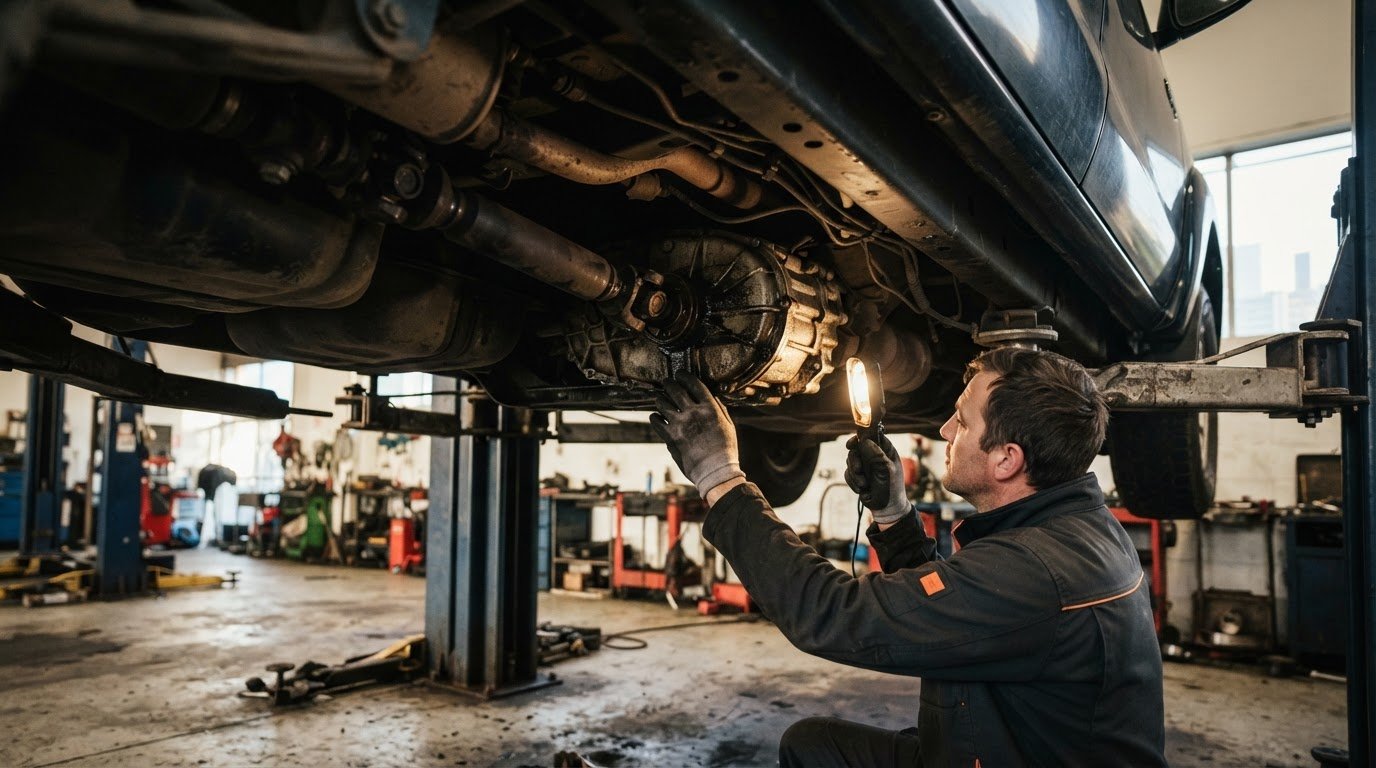
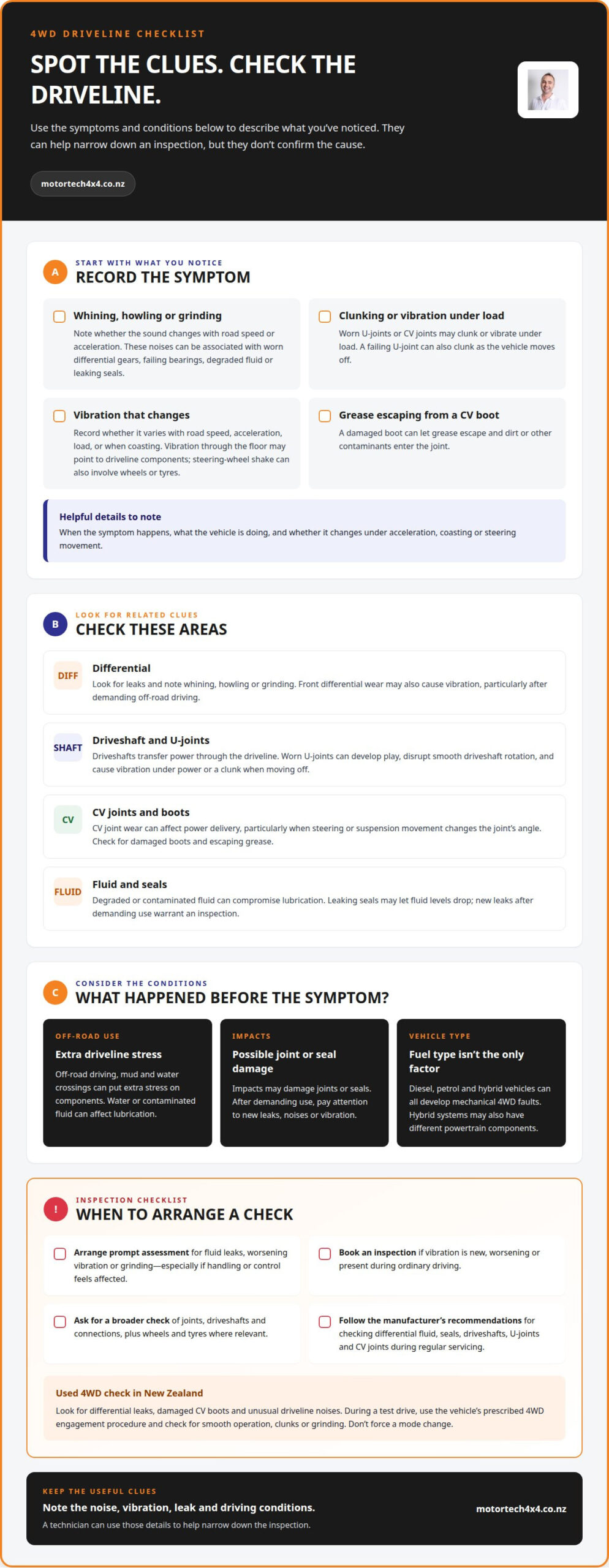
A differential lets the wheels turn at different speeds through corners. Worn gears, failing bearings, degraded fluid or leaking seals can cause whining, howling or grinding. Note whether the noise changes with road speed or acceleration, as this can help with diagnosis. Front differential wear may also cause vibration, particularly after demanding off-road driving.
Driveshafts transfer power through the driveline, while U-joints and CV joints accommodate movement and steering. Worn joints can clunk or vibrate under load; damaged CV boots may let grease escape and dirt enter. Part-time 4WD generally engages the front axle when selected, while full-time systems can drive both axles on suitable surfaces. Automatic 4WD systems engage through their own controls. The exact operating procedure varies by vehicle, so follow its manual.
Diesel, petrol and hybrid vehicles can all develop mechanical 4WD faults. Differential, driveshaft and joint wear relates to the drivetrain and vehicle use, rather than fuel type alone; hybrid systems may also have different powertrain components.
Off-road driving, mud and water crossings can put extra stress on driveline components. Water or contaminated fluid can compromise lubrication, while impacts may damage joints or seals. After demanding use, arrange an inspection if you notice new leaks, noises or vibration.
When buying a used 4WD in New Zealand, look for differential leaks, damaged CV boots and unusual driveline noises. During a test drive, use the vehicle’s prescribed 4WD engagement procedure and check for smooth operation, clunks or grinding. Don’t force a mode change.
Fluid leaks, worsening vibration and grinding need prompt assessment, especially if handling or control feels affected. During regular servicing, differential fluid, seals, driveshafts, U-joints and CV joints should be checked in line with the vehicle manufacturer’s recommendations.
In New Zealand, repair price depends on the fault and is provided after a quote request; labour, parts, vehicle access and the extent of damage affect the estimate. Common mechanical concerns include differential wear, leaking seals and worn driveline joints.
2. Warning lights, sensors, and control module faults
A 4WD warning light can point to an electronic fault, but it doesn’t identify the failed component by itself. The system depends on sensors, wiring and control modules communicating correctly. A damaged connection or sensor may interrupt that communication, leaving the vehicle unable to engage four-wheel drive or stuck in that mode.
Note what happens when a warning appears. Does the system fail to engage, refuse to disengage or behave inconsistently? These details can help distinguish an electrical fault from a mechanical problem. A technician can assess the electronic controls, transfer case, shift linkage and fluid condition rather than replacing parts based on a dashboard message alone.
Electrical supply matters, too. A weak charging system, damaged wiring harness or corroded battery terminal can affect operation. Loose connections may interrupt signals between components. An inspection should cover the battery terminals, wiring and charging system, as well as the relevant sensors and control circuits.
A transfer case fault can cause clunking or grinding during a mode change, difficult engagement or fluid pooling beneath the vehicle. Worn seals may let fluid levels drop, while internal components can grind. Low or contaminated fluid can also contribute to engagement problems, so arrange prompt attention for a leak.
Don’t repeatedly switch modes if the vehicle won’t respond or makes unusual noises. Follow the vehicle’s operating instructions, then arrange an assessment if the fault persists. A diagnostic check can help identify whether the cause involves electrical connections, sensors, control modules, linkage or transfer case fluid.
If a 4WD warning appears alongside dim or flickering lamps, electrical inspection may be useful. Correctly working vehicle lighting also supports clear visibility on the road. Persistent warning lights, failed engagement, grinding or leaks warrant a repair check rather than continued use in four-wheel drive.
3. Driveline vibrations and joint wear
Driveline vibration can change with road speed, acceleration or load. Note when it starts, such as when pulling away, climbing a hill or cruising. Vibration through the floor may point to driveline components, while steering-wheel shake can also involve wheels or tyres. These clues help narrow down the inspection, but they don’t confirm the cause.
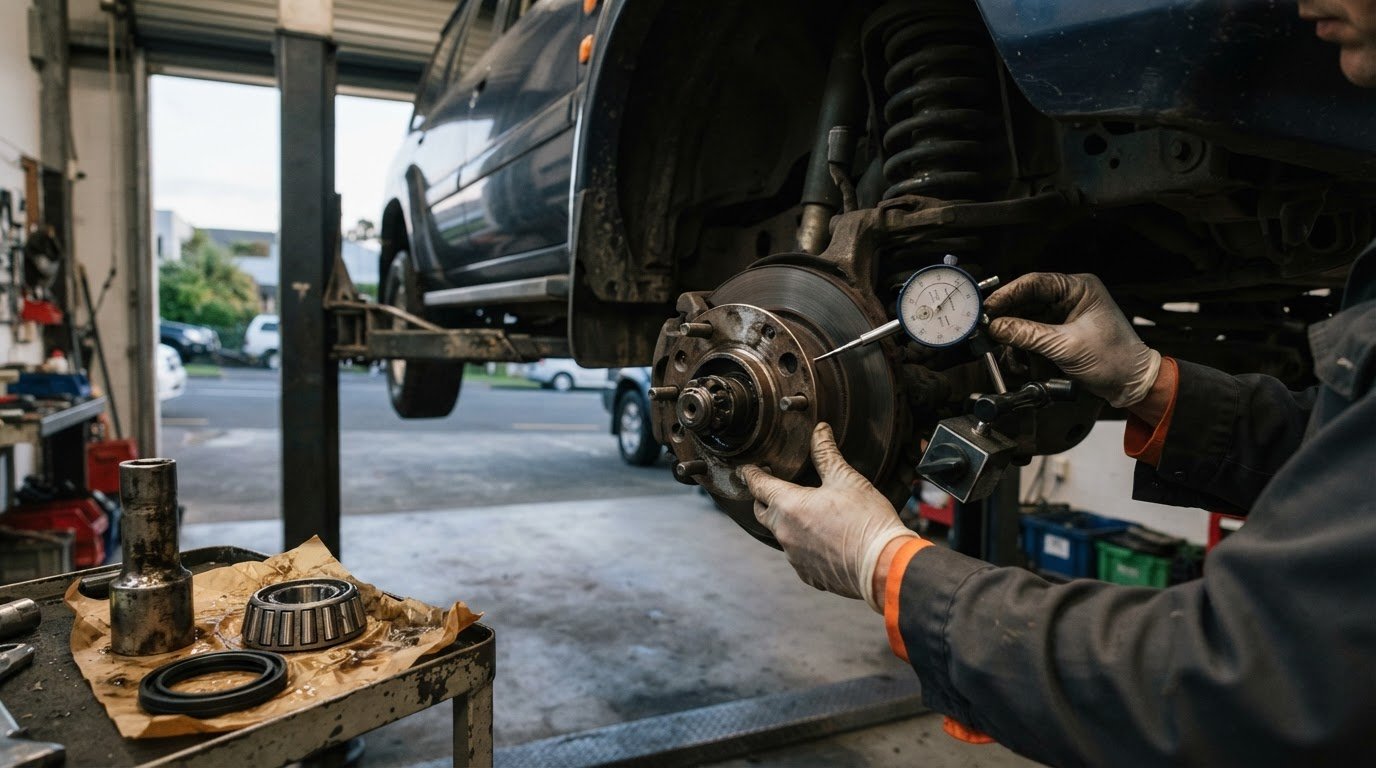
Worn U-joints can develop play that disrupts smooth driveshaft rotation. A failing joint may cause vibration under power or a clunk as the vehicle moves off. CV joint wear can also affect power delivery, particularly when steering or suspension movement changes the joint’s angle. Damaged boots can let grease escape and contaminants enter.
Arrange a prompt inspection if vibration is new, worsening or present during ordinary driving. A technician can check joints, driveshafts and connections for wear, looseness or damage. The assessment should also consider whether vibration changes under acceleration or when coasting. This comparison helps distinguish possible driveline faults from other causes.
Wheel and tyre issues can feel similar, so diagnosis shouldn’t stop at the driveshaft. Uneven tyre wear, wheel damage or imbalance may contribute to vibration. An inspection can assess these alongside the driveline, particularly if the sensation is strongest through the steering wheel or changes after tyre work.
After off-road use, impacts, mud or water exposure can make a closer driveline check worthwhile. Follow the vehicle manufacturer’s guidance for greasing and lubricating moving parts. Don’t ignore persistent vibration: continued driving may worsen wear and lead to component failure. Record the conditions when it occurs, then arrange an assessment before the fault progresses.
4WD owners should address driveline vibrations promptly to prevent further damage. They should grease and lubricate driveline moving parts as recommended by the manufacturer.
4. Transfer case wear, leaks and engagement problems
The transfer case sends power to the front and rear axles when four-wheel drive is engaged. Leaks and engagement faults are common 4WD problems to watch for because they can affect power transfer or leave the vehicle stuck in a mode. These symptoms don’t automatically mean the whole transfer case needs replacing. An incomplete shift procedure or operating conditions can also prevent engagement.
Pay attention to what happens during a mode change. A clunk or grinding sound, difficulty selecting a mode or a warning message calls for investigation. Note whether the problem happens every time or only under particular conditions. This distinction helps assess the engagement system, controls and internal components without assuming a single cause.
Fluid leaks need prompt attention. A worn transfer case seal can let fluid escape, reducing lubrication for internal parts. Low fluid and damaged gears can contribute to grinding, while a stretched or slipping chain may affect power transfer. A new pool beneath the vehicle or fresh oily residue around the case is a good reason to arrange an inspection.
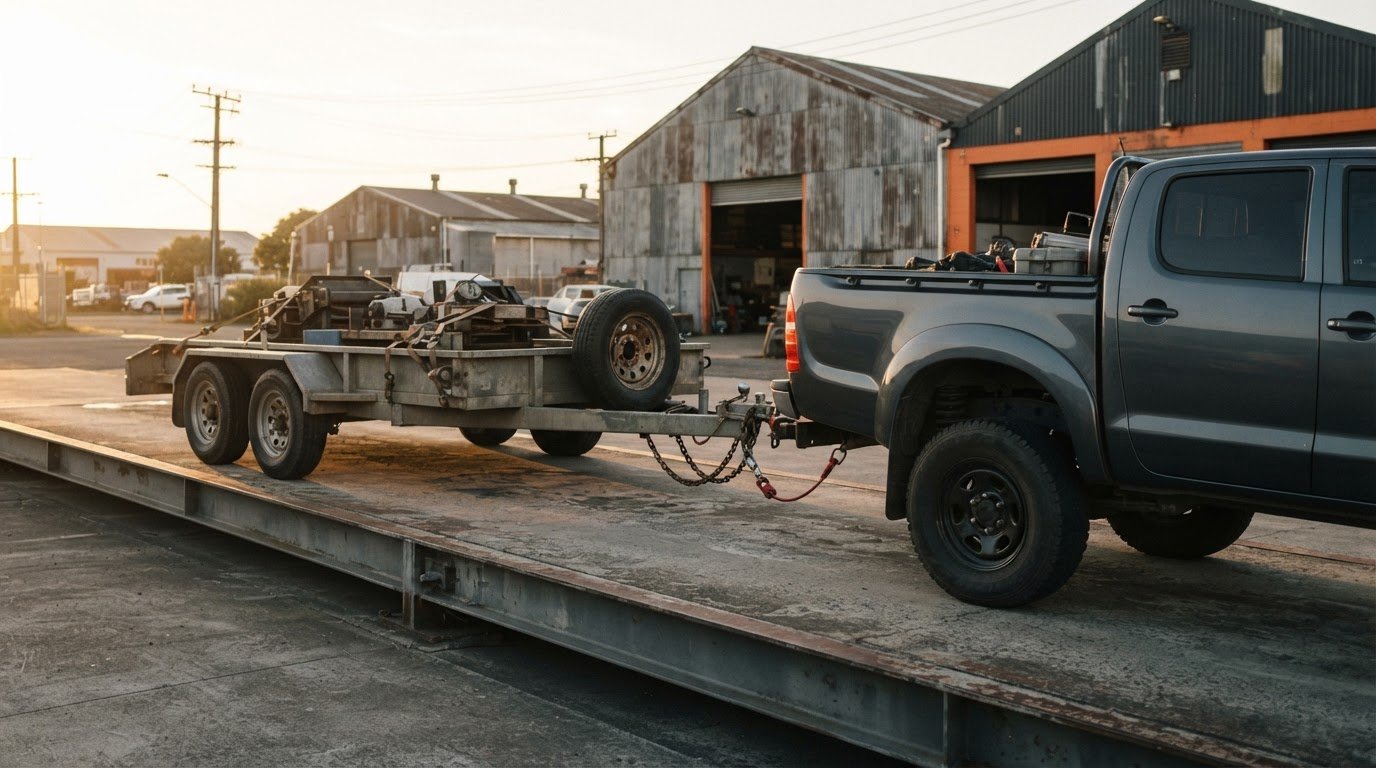
Driving conditions also matter. Towing a trailer uphill or travelling through sand in low range generates heat in the 4WD system. Among the common 4WD problems to watch for after demanding use are new engagement trouble and unusual noise. Avoid repeatedly forcing the selector. Follow the vehicle’s specified shift procedure, then have persistent symptoms assessed. Continued operation with an unresolved leak or internal wear can lead to more extensive damage.
A repair check considers fluid condition, seals, engagement controls and internal wear together. This can distinguish a shift-procedure issue from a mechanical fault and identify whether the case needs repair. Replacing the transfer case without finding the underlying cause may not resolve the symptom. For persistent engagement problems, leaks or grinding, schedule a 4WD repair check.
Motortech 4X4
Motortech 4X4 helps drivers make sense of 4WD symptoms and decide on a sensible next step. If a warning light stays on, a leak appears, or vibration continues, describe when it happens and how the vehicle behaves. Those details help clarify whether an inspection is appropriate and what the concern may involve.
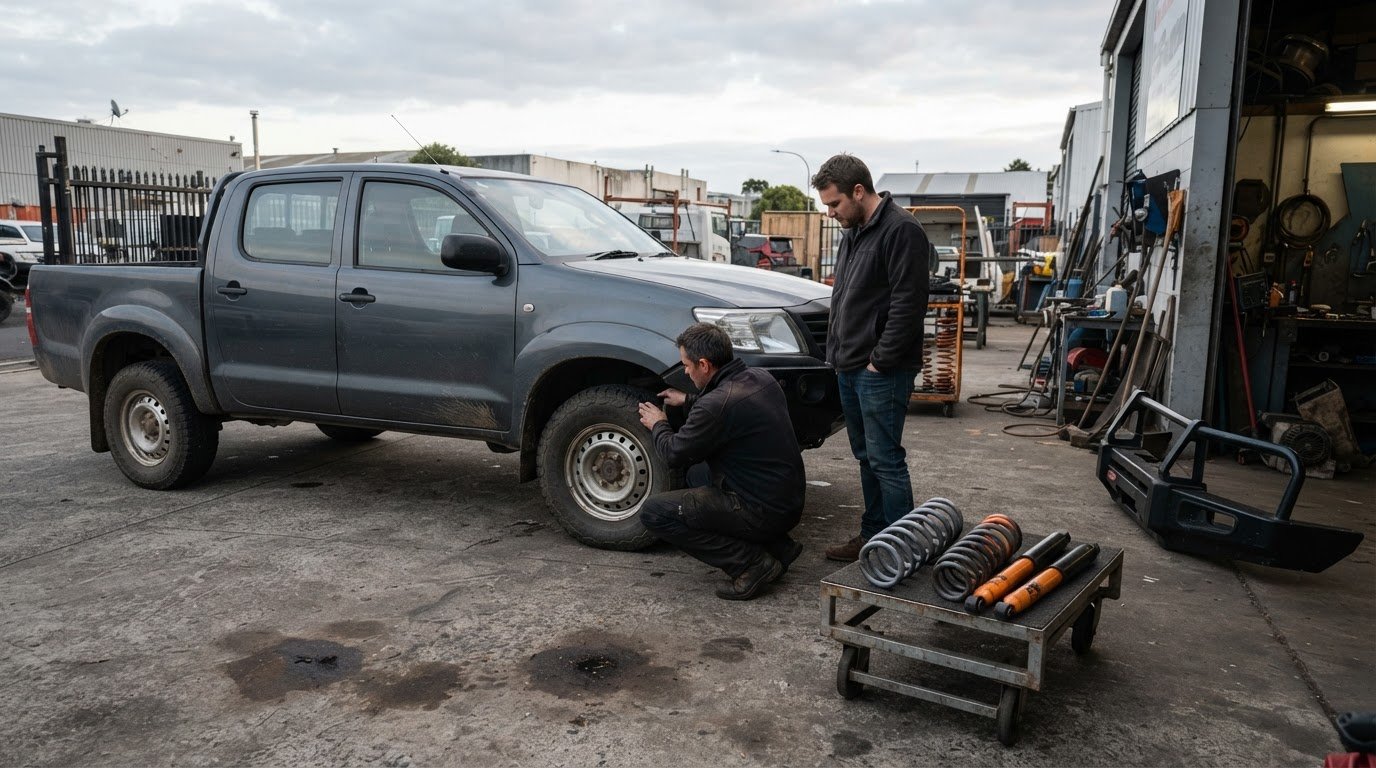
For broader vehicle planning, Motortech 4X4 also supplies suspension kits, bullbars, snorkels and GVM upgrades. These products relate to vehicle setup, rather than diagnosing a transfer case or driveline fault, so persistent mechanical symptoms still call for attention in their own right.
Contact Motortech 4X4 to discuss your 4WD concerns and the next step for your vehicle.
Build a maintenance plan around how you use your 4WD
Knowing the common 4WD problems to watch for is useful, but a consistent maintenance plan helps keep emerging faults from being overlooked. Use the vehicle manufacturer’s service recommendations as a baseline, and account for the demands of towing, off-road travel and extra vehicle loads when planning inspections. For enthusiasts planning remote journeys or looking into guided overlanding expeditions like those at myafricanadventures.com, reliable driveline maintenance is what keeps an adventure moving safely.
It’s also worth reviewing your vehicle setup as your needs change. Suspension Kits, Bullbars and Snorkels are among the products available through Motortech 4X4. The right setup depends on the vehicle and how you use it, so consider upgrades as part of a broader maintenance and preparation plan, not a substitute for repairing a fault.
If a symptom persists or you’re planning your next steps, contact Motortech 4X4 today to discuss your vehicle. A considered plan can help you head into your next trip with greater confidence.
Frequently Asked Questions
When should you schedule a 4WD repair?
Arrange a repair assessment when a symptom persists, returns or affects vehicle control. A warning light that stays on, a fresh fluid spot or vibration that worsens during a commute deserves prompt attention. Note whether it starts when the vehicle is cold, after a turn or under load; that pattern gives the technician a useful starting point. Auckland drivers can have their vehicle assessed before relying on four-wheel drive for a planned trip.
Why is your 4WD not engaging?
A 4WD may not engage because of an electrical fault, sensor issue, damaged shift linkage, transfer case problem or unsuitable shift conditions. Start by following the vehicle’s manual exactly, since engagement procedures differ between models. Don’t force the selector if it resists or makes a new noise. If the system still won’t change modes, a diagnostic inspection can identify the cause.
How can you tell if a 4WD transfer case or gearbox is failing?
Transfer case trouble often affects four-wheel-drive mode selection, while gearbox symptoms relate more directly to changing driving gears. Notice whether the fault appears only when selecting 4WD or also during ordinary gear changes. Record any delays, unusual sounds or changes in vehicle response, and whether they happen consistently. That comparison helps a technician focus the inspection on the correct part of the drivetrain, with automotive specialists like Eagle Transmission & Auto Repair highlighting how early diagnosis protects complex gear assemblies from further damage.
What are common symptoms of a failing 4WD differential or CV joints?
A differential fault may cause a whine that changes with speed or load, while CV joint trouble can become more noticeable during a tight turn. A split CV boot may leave grease around the wheel area. Note which side the sound seems to come from and whether it changes while cornering. These details can help distinguish possible joint wear from other noises.