Can you keep driving when a 4×4’s wheel bearing starts to make noise? A noisy bearing signals wear or damage, and continued driving can lead to further damage or bearing failure. A wheel bearing replacement on a 4×4 may be needed when inspection confirms a problem, but the correct repair and preload setting depend on the vehicle and bearing type.
It’s reasonable to want to know whether the noise is urgent and what a proper repair involves, especially after off-road use. This guide explains warning signs, what an at-home check can reveal, and when a noisy bearing means you should stop driving and arrange a professional assessment.
You’ll also learn how water crossings and worn seals can affect serviceable bearings, why inspection and repacking should follow the manufacturer’s maintenance schedule, and why preload must match the vehicle’s specifications. These points help clarify what to do next without guessing at the cause or risking an incorrect adjustment.
Key Takeaways
- Use the vehicle manufacturer’s maintenance schedule for bearing inspections and repacking, and pay closer attention after off-road use or water crossings.
- A professional assessment can distinguish bearing play, noise and roughness from other wheel or suspension issues.
- Treat a noisy bearing as a warning: continued driving can worsen damage or lead to bearing failure.
- Preload depends on the vehicle and bearing type, so accurate adjustment requires the manufacturer’s workshop procedure.
Bearing inspection intervals and off-road conditions
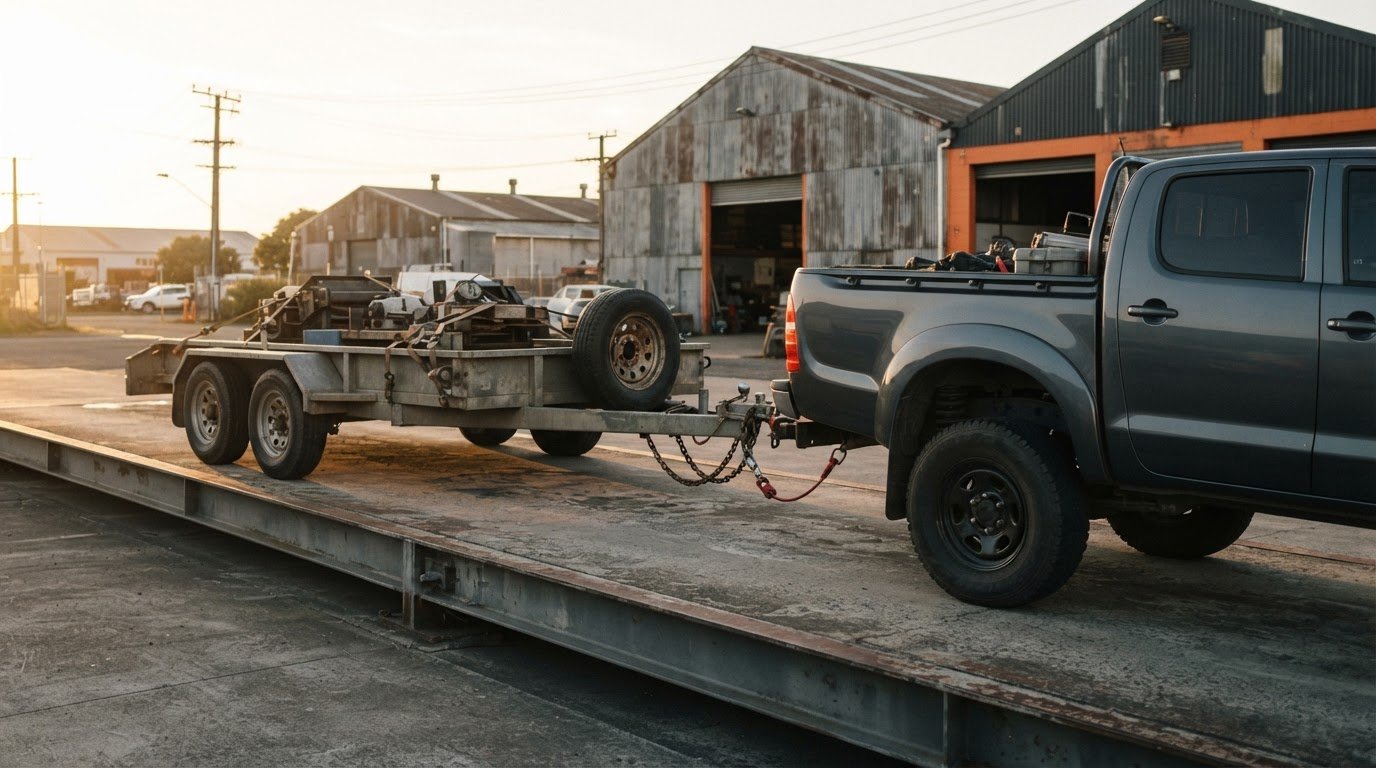
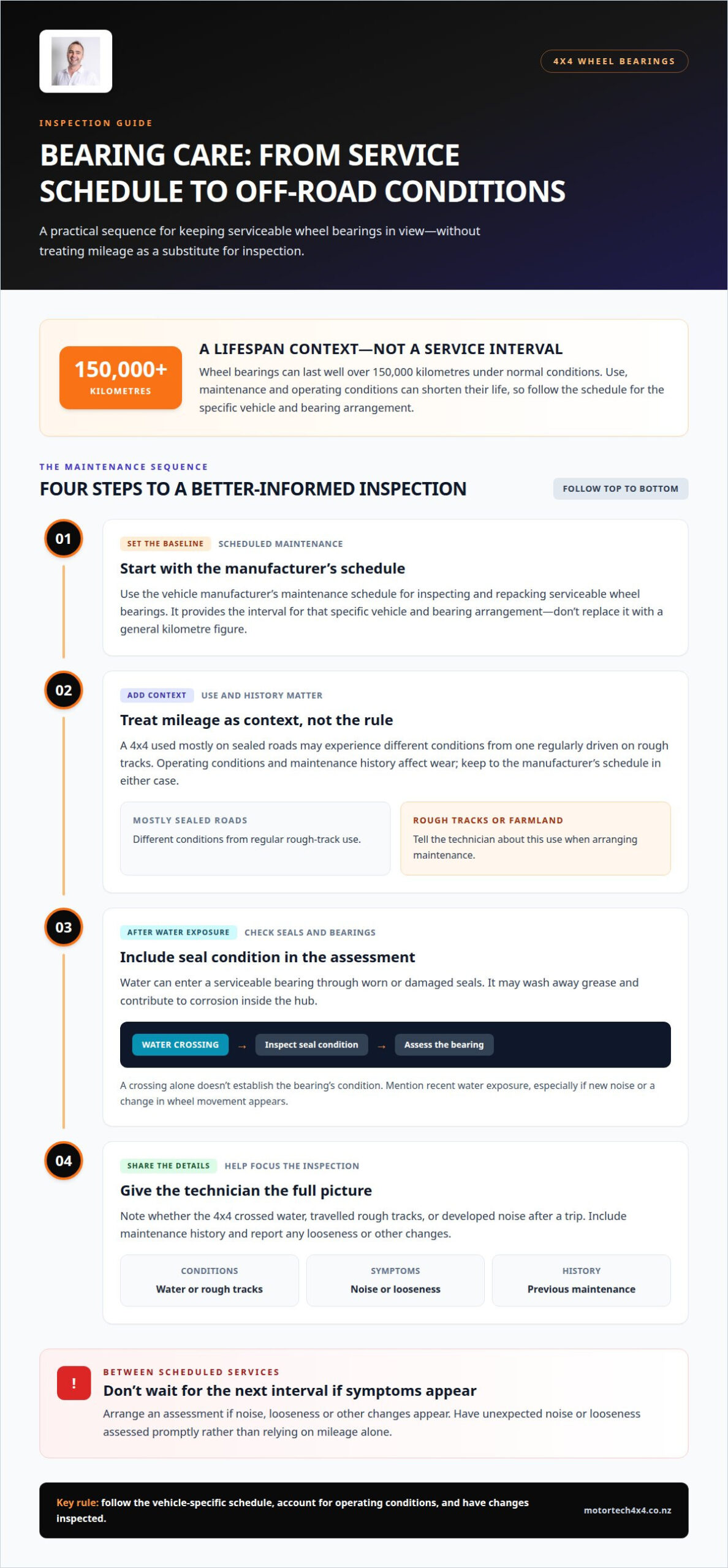
- Follow the vehicle manufacturer’s maintenance schedule for inspecting and repacking serviceable wheel bearings. The schedule provides the interval for that specific vehicle and bearing arrangement. Don’t substitute a general kilometre figure: operating conditions and maintenance history affect wear. For a 4×4 used on gravel tracks, farmland or regular water crossings, tell the technician about that use when arranging scheduled maintenance. This context helps focus the inspection on likely exposure and seal condition.
- Use mileage as context, not as a replacement interval. Wheel bearings can last well over 150,000 kilometres under normal conditions, but use and maintenance can shorten their life. A 4×4 driven mostly on sealed roads may experience different conditions from one regularly used on rough tracks. Follow the manufacturer’s schedule in either case, and arrange an assessment if noise, looseness or other changes appear between scheduled services.
- After water crossings, include seal condition in the bearing assessment. Water can enter a serviceable bearing through worn or damaged seals, wash away grease and contribute to corrosion inside the hub. A crossing alone doesn’t establish the bearing’s condition: the seal and bearing need inspection. Mention recent water exposure, especially if you’ve noticed new noise or a change in wheel movement.
- Give the technician a clear account of off-road conditions and maintenance history. Note whether the 4×4 has crossed water, travelled rough tracks or developed noise after a trip. These details help relate symptoms to possible contamination or wear, rather than relying on mileage alone. Keep inspections and repacking aligned with the manufacturer’s schedule, and have unexpected noise or looseness assessed promptly. That approach supports an informed decision about continued monitoring or bearing replacement.
Water crossings matter because worn or damaged seals can let water into serviceable wheel bearings, potentially washing away grease and causing corrosion.
How does a professional check 4×4 wheel bearings for play, noise and roughness?
- First, identify the bearing layout. A wheel bearing supports wheel rotation; a hub assembly houses the bearing and may be replaced as a complete unit. An axle bearing supports the axle shaft, so its location and symptoms differ from a wheel-end bearing.
- Next, describe the noise and any changes in how the vehicle drives. A technician can investigate when the sound occurs and whether it changes with vehicle movement. They’ll check for wheel movement and rotate the wheel to assess roughness, comparing findings across the axle rather than relying on noise alone.
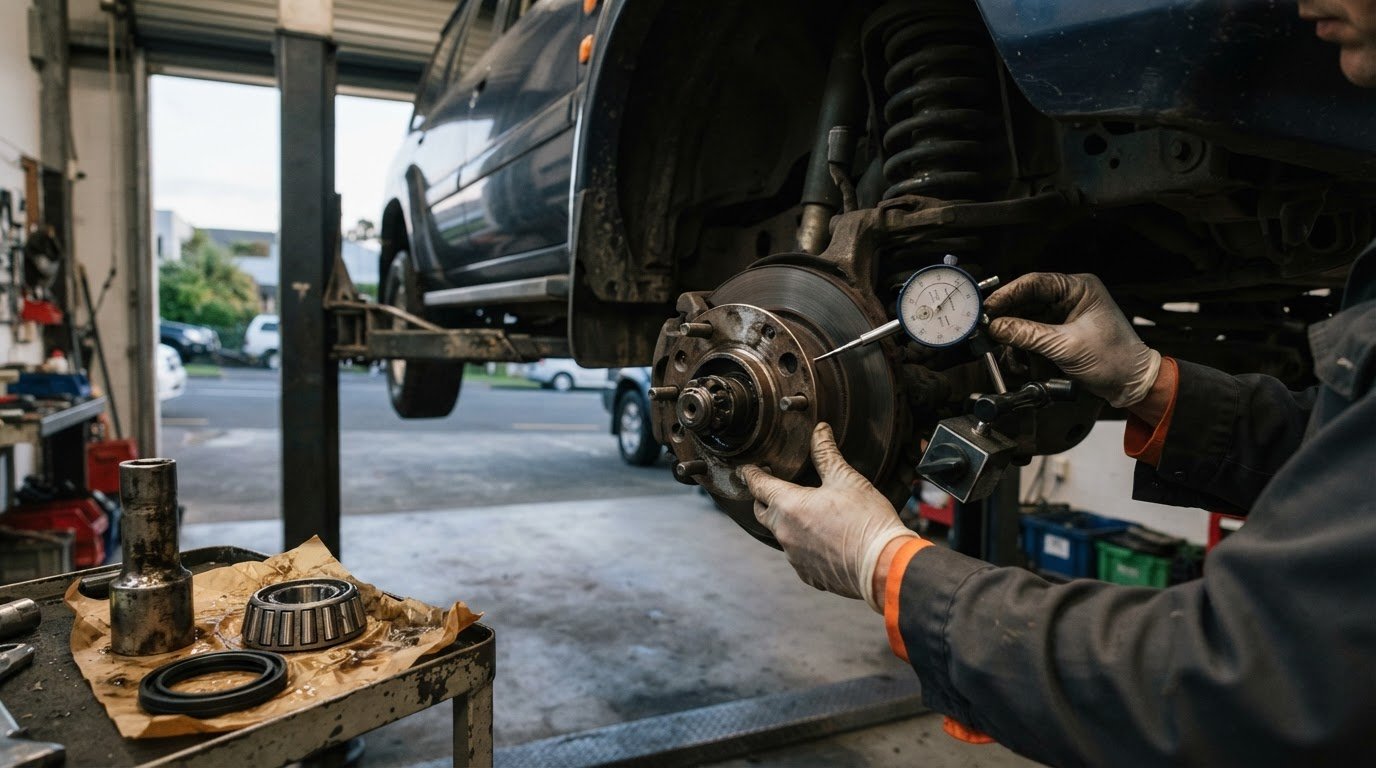
- The wheel end should then be checked for play, rough rotation and visible damage. The bearing design determines the appropriate test and acceptable adjustment. A technician will also consider other possible noise sources, including nearby wheel or suspension components, before recommending bearing replacement.
- Replacement cost in New Zealand depends on the vehicle, bearing type, parts required, access and any related damage; the price depends on the case and is given after a quote request. Replacement time also depends on the bearing design, condition of fasteners and whether related components need attention.
- A bearing can be replaced at home only if the site, lifting equipment and vehicle-specific tools are suitable for the job. Depending on the design, this may require safe vehicle supports, sockets, a torque wrench, and a puller or press. Access and safe working conditions are essential.
- For replacement, the technician confirms the bearing type, removes the necessary wheel-end components, fits the bearing or hub assembly, and follows the manufacturer’s procedure for adjustment and reassembly. They then check for correct rotation and play. If wheel condition is also a concern, explore wheel and tyre options.
Can I drive with a noisy wheel bearing?
- Treat new wheel-bearing noise as a warning, not a routine maintenance reminder. Noise can indicate wear or damage, and continued driving may cause further damage or bearing failure. Arrange an assessment promptly. If the noise worsens or wheel movement changes, avoid continuing the journey until the vehicle’s condition has been assessed.
- Don’t assume the bearing is the only possible source of wheel-end noise. A professional can check for play, rough rotation and related component issues before recommending repairs. Replacing a bearing without identifying the cause may leave the original fault unresolved.
- Should you replace one bearing or both on the same axle? Replacing both isn’t automatic. The technician assesses each side and bases the recommendation on its condition, symptoms and inspection findings. Similar mileage alone doesn’t mean both bearings need replacement.
- A worn bearing can affect a New Zealand WOF result if an inspection finds a fault, such as excessive play, that compromises safe operation. Noise alone doesn’t determine the outcome; the vehicle’s actual condition is assessed. Have suspected wear investigated rather than relying on a WOF check instead of diagnosis.
- Avoid overfilling a hub with grease. Excess grease can escape past the seals, attract dirt and generate unnecessary heat. Use the correct amount and follow the vehicle’s service procedure rather than packing the hub beyond its intended capacity.
- Don’t mix bearing greases unless you know they’re compatible. Incompatible grease can reduce lubrication performance or break down, leaving the bearing inadequately lubricated. During maintenance, remove old grease as required by the procedure and use the specified lubricant. Correct grease, sound seals and prompt attention to noise help prevent avoidable bearing damage.
Correct bearing preload and adjustment by a professional
- Identify the bearing type and wheel-end design before making an adjustment. A serviceable, adjustable bearing and a sealed hub assembly require different procedures. The vehicle’s make, model and bearing arrangement determine the workshop instructions, so a generic tightening method isn’t suitable.
- Use the manufacturer’s workshop manual for the specific 4×4. Correct adjustment depends on the vehicle and bearing type. The manual sets out the required method and specifications; applying another model’s settings can leave the bearing incorrectly adjusted. Correct preload is essential during wheel bearing replacement on a 4×4.
- Inspect the bearing, hub and related components before setting preload. Wear, damage or contamination can affect how the assembly rotates and holds its adjustment. A damaged bearing, for example, shouldn’t be treated as serviceable simply by changing its adjustment. First establish whether the existing components are suitable for use.
- Follow the specified adjustment sequence for an adjustable bearing. Preload describes the load applied as the bearing is set in its assembly. During wheel bearing replacement on a 4×4, the technician follows the manual’s process rather than relying on feel or a universal rule.
- For a sealed hub assembly, follow the manufacturer’s fitting procedure instead of trying to adjust it like a serviceable bearing. These designs differ. The correct repair may involve replacing the complete assembly if it becomes noisy, develops excessive play or fails inspection.
- Check the assembly after adjustment and reassembly. The technician assesses rotation and play using the vehicle-specific procedure, then confirms the wheel-end components are correctly refitted. Unexpected resistance or movement calls for further inspection before the vehicle returns to use.
- Provide the technician with the vehicle details and any recent symptoms, such as noise after off-road use. This helps identify the correct manual and bearing arrangement. For a professional assessment and adjustment, arrange 4×4 servicing.
Motortech 4X4: Wheels and Tyres
Motortech 4X4 offers Wheels and Tyres for drivers planning a wheel or tyre change after their bearing issue has been assessed. A replacement bearing and a tyre concern are different jobs, but both affect the wheel end and deserve attention before further off-road use.
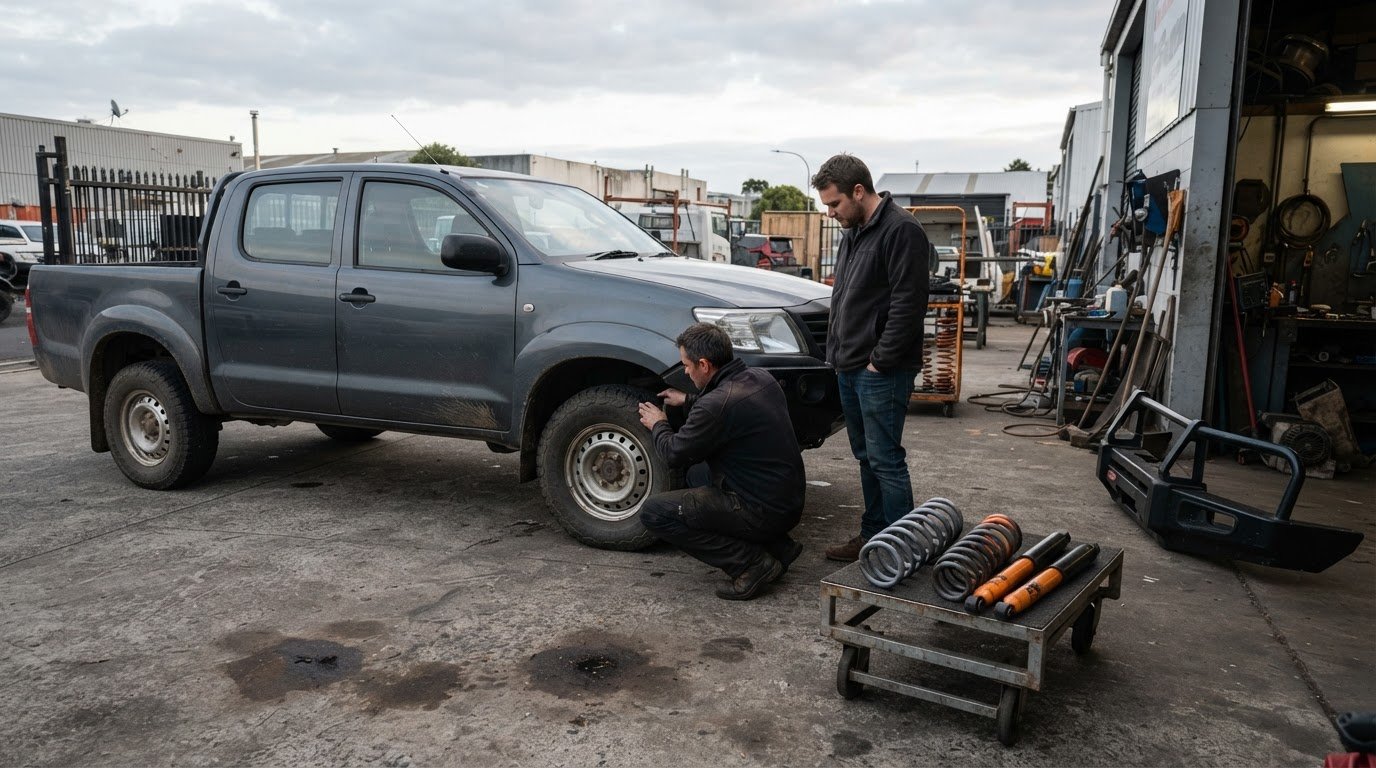
Turn to Motortech 4X4 when you’re considering wheels or tyres alongside your 4×4 setup. Suspension Kits, Bullbars and Snorkels are also available for vehicle modifications, with the right choice depending on your vehicle and intended use. Keep the bearing diagnosis separate from accessory decisions so the repair addresses the fault, not just a related component.
For help with your wheel and tyre requirements, contact Motortech 4X4.
Plan the next step for your 4×4
A wheel-end concern can also prompt a fresh look at how your vehicle is set up for its next use. If you’re planning a wheel bearing replacement for a 4×4, keep the repair decision separate from upgrade choices. Suspension Kits, Bullbars and Snorkels may also be relevant to a broader vehicle setup, depending on how you use your 4×4.
Before arranging an assessment, note the vehicle’s make and model, the symptoms, and any recent off-road use or water crossings. This context helps focus the discussion on the vehicle’s condition and how you use it. If you’re also considering wheels and tyres or other modifications, list those separately so the immediate repair stays the priority.
For a considered next step, contact Motortech 4X4 to discuss your 4×4 requirements. A clear account of the symptoms and planned use can help you move forward with confidence.
Frequently Asked Questions
Do modern 4WDs still use serviceable wheel bearings?
Yes, some modern 4WDs use serviceable wheel bearings, while others have sealed hub assemblies. That difference determines whether a technician can inspect and repack the bearing or replace the hub unit when it fails. Model year alone doesn’t identify the design; vehicle specifications do. For an Auckland 4×4, provide the exact make, model and variant when arranging an assessment, as wheel-end configurations can differ.
How does a professional diagnose a failing wheel bearing on a 4×4?
A professional combines your description of the symptoms with inspection findings to determine whether a bearing is the likely cause. The technician can compare sides and consider other sources, such as tyre or driveline noise, before recommending a repair. Describe when the sound occurs, whether it changes during a journey, and any recent off-road use. These details help focus the assessment on the affected wheel end.
What are the symptoms and risks of driving with a bad wheel bearing?
A persistent growl, rumble or changing noise near a wheel can indicate bearing trouble, particularly if it worsens while driving. The sound alone doesn’t establish the fault, so have the wheel end assessed rather than assuming the noise is harmless. Continued driving with a worn or damaged bearing may cause further damage or bearing failure. Don’t put off an assessment if symptoms are worsening.
Do 4WD wheel bearings need special adjustment or torque settings?
Yes, the procedure and settings depend on the vehicle and bearing type. Preload adjustment and fastener torque are related but distinct requirements, so one value can’t replace the other. A technician follows the correct workshop procedure for the specific 4WD rather than applying a generic setting. This is especially relevant when parts have been dismantled or replaced, because the assembly must be set and refitted correctly.