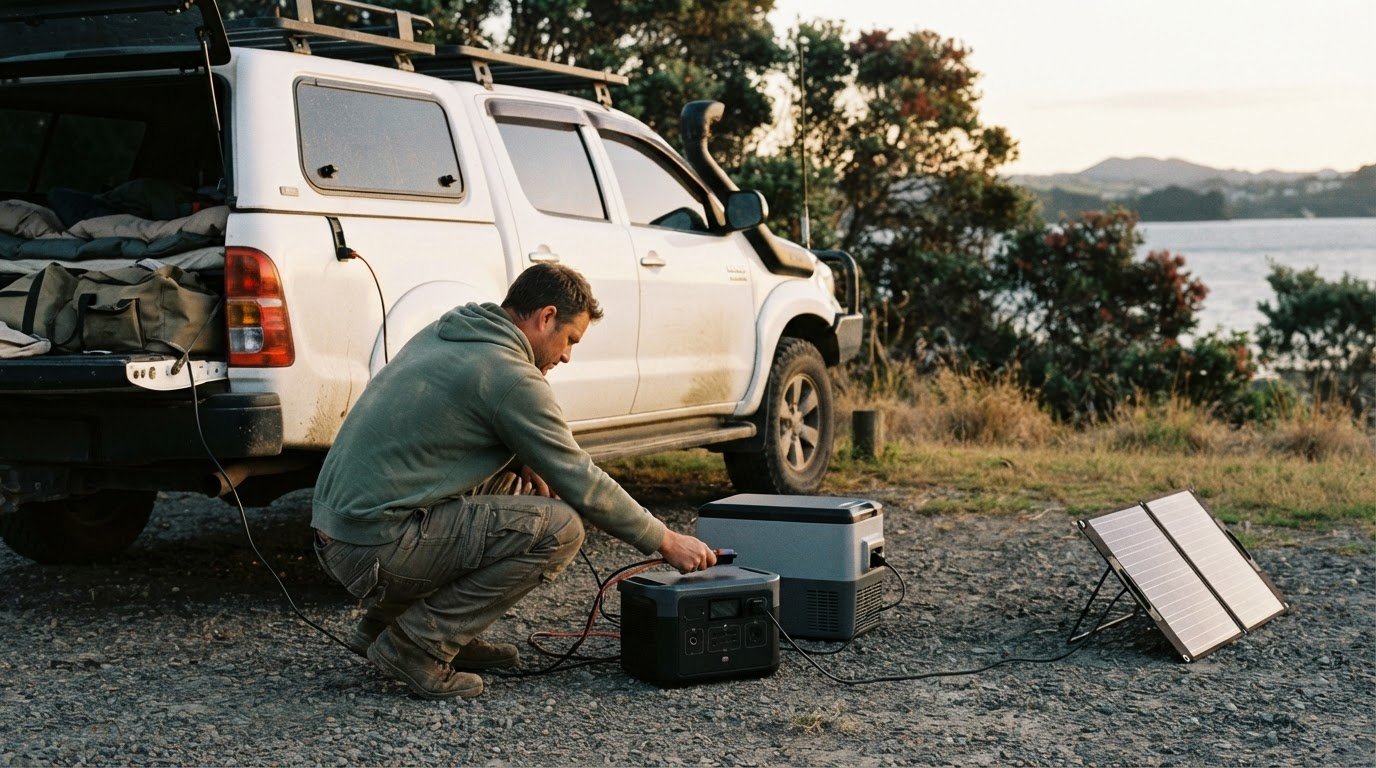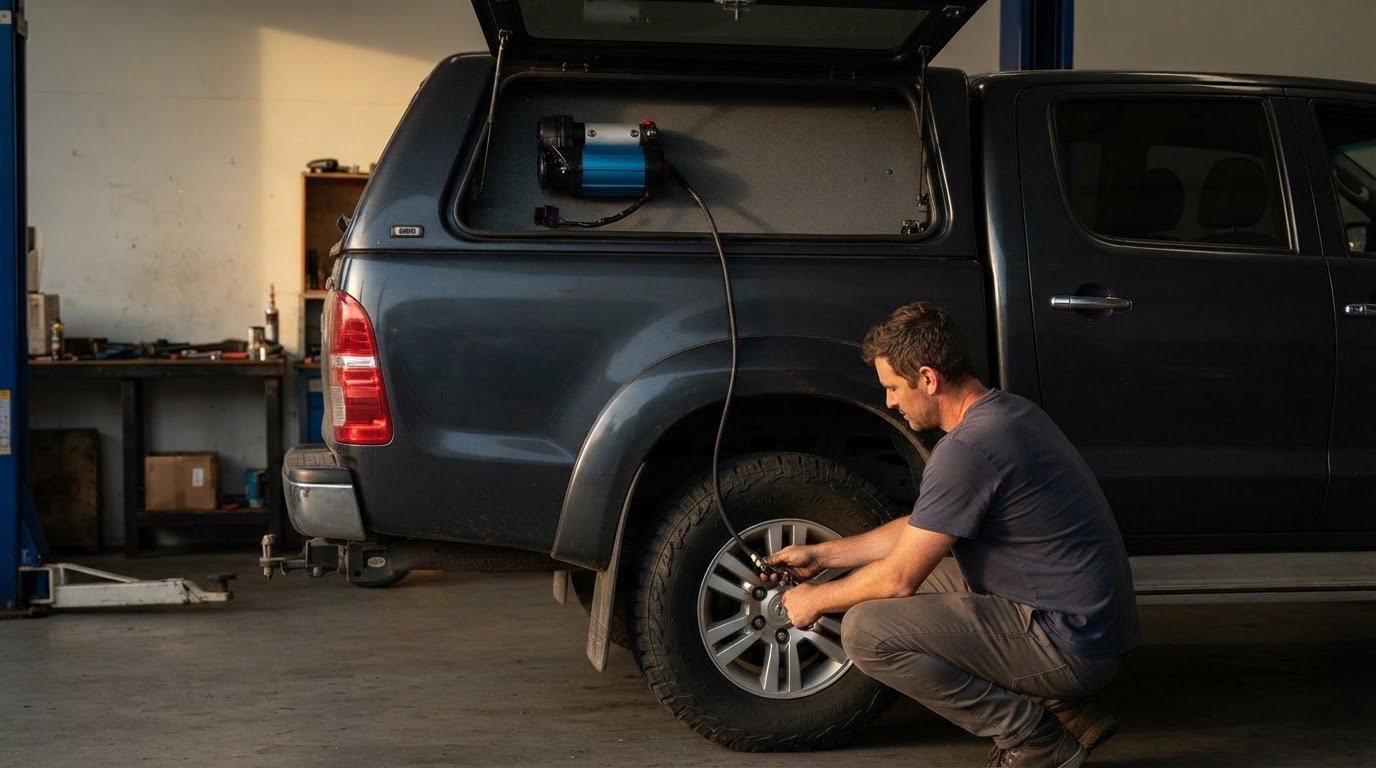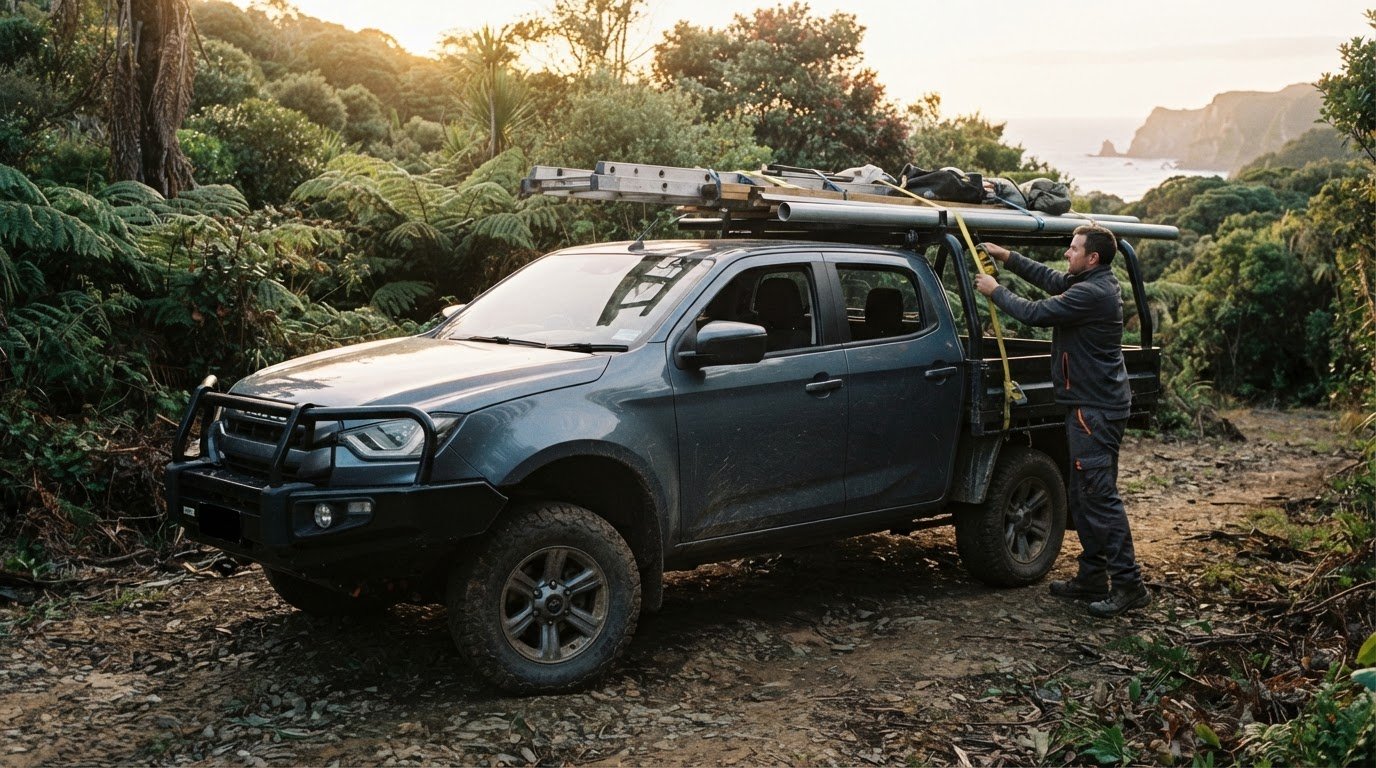
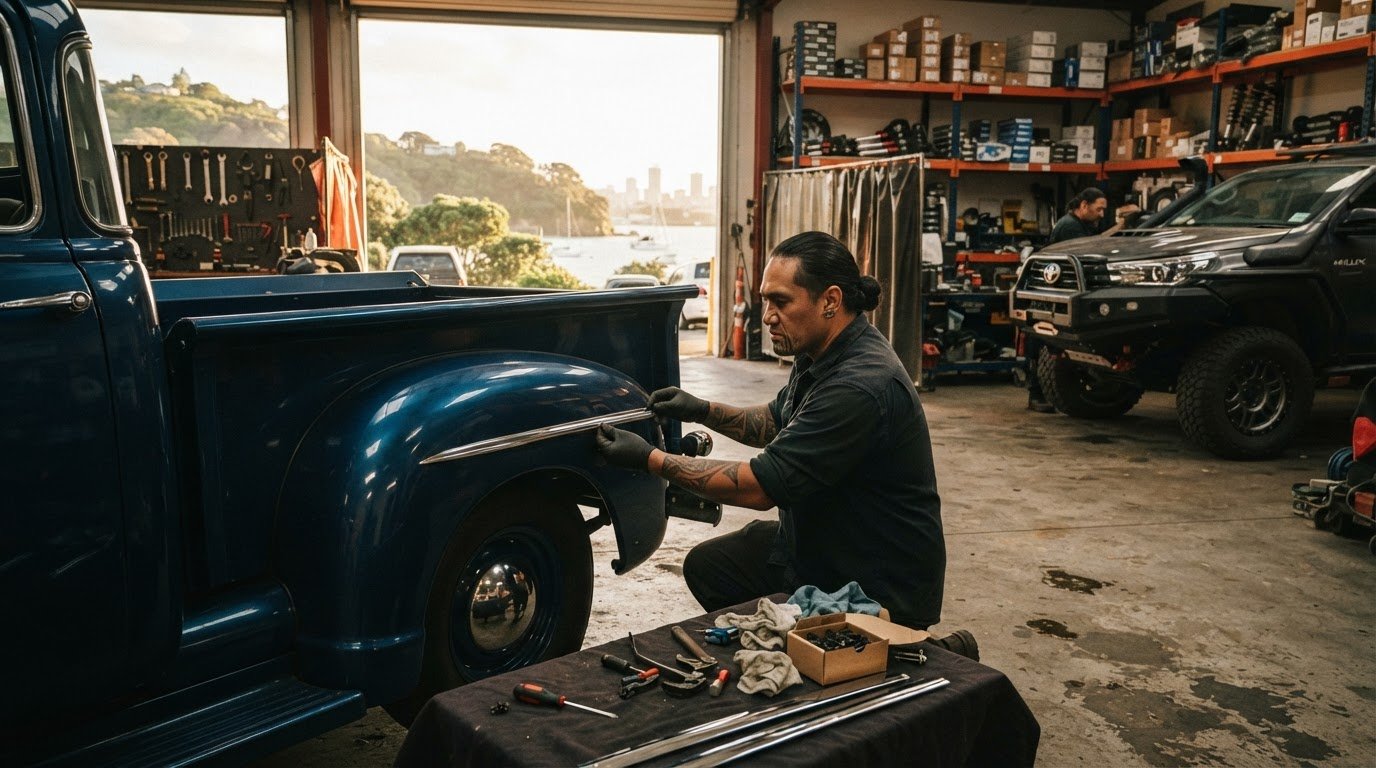
A correct fit matters as much as the accessory itself. Finding vehicle accessory fitting near me starts with identifying the vehicle and the exact part: for 1948 to 1956 Ford fender welt, fitting requirements affect the price, while stock availability depends on the specific product. Fitting price depends on the vehicle, accessory and work involved, and is provided after a quote request.
Finding vehicle accessory fitting near me can be frustrating when fitment details, costs and stock status aren’t clear. Whether you’re restoring an older Ford or equipping a current vehicle, clear information helps you decide before choosing a part or booking installation. Existing trim, previous repairs and differences between individual vehicles can affect how an accessory fits. Having your vehicle details and a photo of the mounting area can make the discussion more precise.
This guide explains what to consider when assessing fender welt fitment, what can shape accessory pricing, and how to account for stock availability when planning the work. You’ll also find practical points for comparing fitting options and choosing an accessory that suits your vehicle and intended use.
Key Takeaways
- For 1948 to 1956 Ford fender welt, identify the vehicle and trim details to help assess fitment before choosing a part.
- Compare fitment experience, review patterns and warranty terms to understand what support comes with an accessory installation.
- Accessory fitting time and appointment needs depend on the part, vehicle and work involved, so plan around the job’s requirements.
- Learn how suspension kits and other 4×4 accessories can suit different vehicle setups, and what to consider before selecting one.
Which accessory fitters near me have the best reviews and warranties?
Compare fitters by reviews about the same accessory and vehicle type. A high overall rating says little about specialist installation work. Look for detailed accounts describing the part, fitting process, communication and follow-up. For a 1948 to 1956 Ford fender welt, restoration-specific feedback is more relevant than reviews about modern vehicle accessories.
Read the written comments, not just the star score. Notice whether customers explain what was fitted and how the vehicle was used. A review mentioning a precise fitment or a resolved issue gives more context than “great service”. Compare several accounts across different dates, then look for repeated themes rather than relying on one unusually positive or negative experience.
Technical detail can also reveal how carefully a fitter handles components. For example, the raw-steel BD3145-D cage nut is designed for 3/8-inch by 24-thread fastening; the BD3145-C uses 5/16-inch by 24-thread fastening. Reviews that mention checking the correct fastener size demonstrate why specific installation feedback can be useful.
Assess warranty information as carefully as reviews. Separate the accessory manufacturer’s product warranty from any cover for installation workmanship. They may apply to different faults and involve different claim processes. Before booking, read the written terms and identify what each covers.
- Check what the product warranty covers, including any stated exclusions.
- Find out whether fitting workmanship has separate written coverage.
- Note how a claim must be submitted and what evidence is required.
- Keep the invoice, product details and installation records together.
Clear terms should explain the coverage period, eligible faults and claims process. Don’t assume a product warranty automatically covers installation work, or that workmanship cover applies to a fault in the accessory itself. This distinction matters for items such as bullbars, roof-mounted accessories and restoration trim, where the product and fitting are separate parts of the job.
Use a simple comparison before deciding. Note the accessory type, vehicle details and outcome described in each relevant review, then compare those examples with the written warranty terms. If reviews praise communication but say little about technical fitment, treat them as evidence of customer service, not proof of installation quality.
Look closely at how a fitter responds to a complaint. A useful response addresses the reported issue, explains the next step and avoids exposing private customer details. Repeated, specific examples of follow-up provide more insight than a generic reply. Consider the full exchange, including whether the original concern receives a clear resolution.
Before booking, match three things: feedback on similar work, written product coverage and written fitting coverage. Keep relevant reviews and warranty terms with your vehicle records. This helps set clear expectations and gives you a reference if questions arise after installation.
How do I choose a compatible accessory for my vehicle make and model?
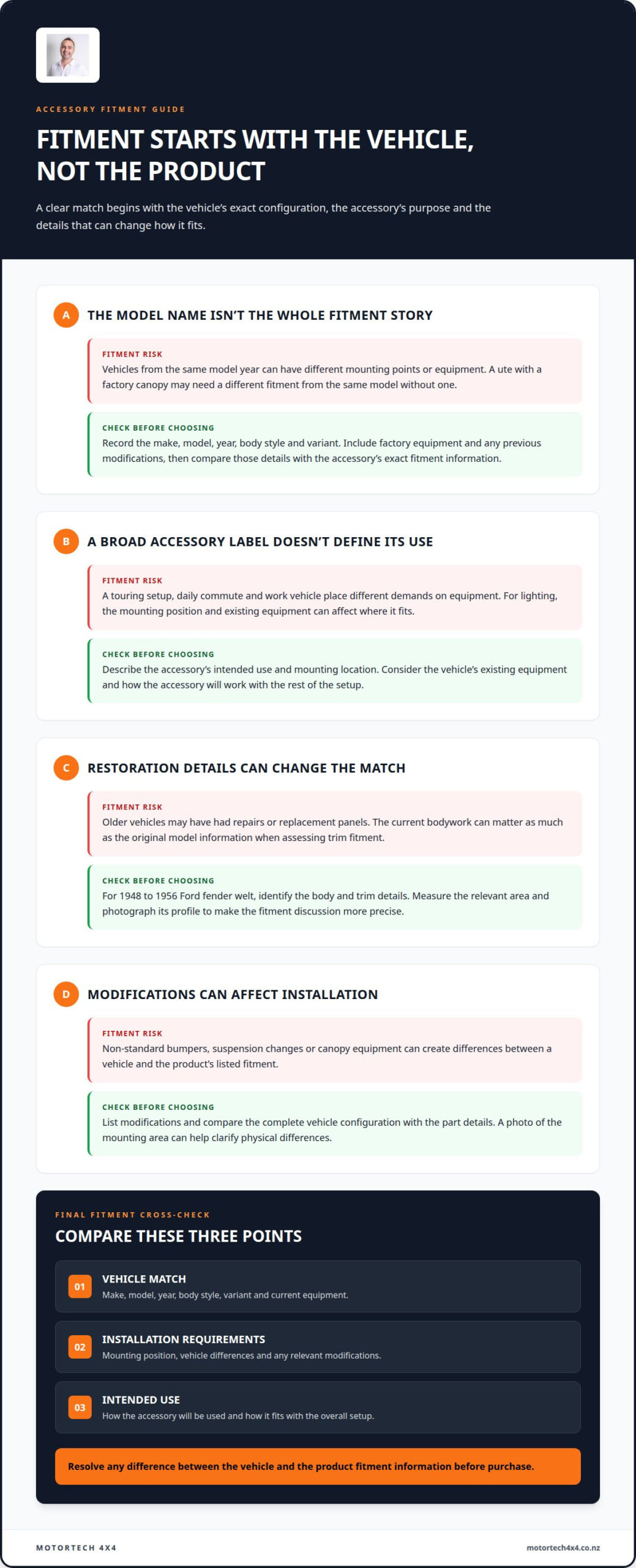
Start with your vehicle’s make, model and year, then identify its body style and variant. Vehicles from the same model year can have different mounting points or equipment. For example, a ute with a factory canopy may need a different accessory fitment from the same model without one. Record previous modifications before selecting a part.
Next, define the accessory’s purpose. A touring setup, daily commute and work vehicle place different demands on equipment. For vehicle lighting, note where the lights will be mounted, how you’ll use them and whether existing equipment affects placement. These details help narrow the options beyond a product’s broad label.
Compare the vehicle identification details with the accessory’s fitment information. Check that the application matches the exact model and variant, not just the badge on the tailgate. Include any non-standard bumpers, suspension changes or canopy equipment, and consider sharing a photo of the mounting area to clarify physical differences.
- Write down the make, model, year and variant.
- List factory equipment and any previous modifications.
- Describe the accessory’s intended use and mounting location.
- Compare the part’s fitment details with the vehicle configuration.
For a 1948 to 1956 Ford restoration, identify the body and trim details before choosing fender welt. Older vehicles may have had repairs or replacement panels, so the current bodywork can matter as much as the original model information. Measure the relevant area and photograph its profile. Keep those records with the part details during the fitment discussion.
Compatibility also means considering how an accessory interacts with other vehicle systems. A roof-mounted item may affect access to existing roof equipment, while added lighting needs a suitable mounting position and electrical connection. Review the whole setup, especially when planning several modifications together.
Make a final comparison across three points: vehicle match, installation requirements and intended use. Resolve any difference between your vehicle and the product fitment information before purchase. This is particularly useful for imported vehicles, mid-year changes and modified restorations, where the model name alone may not identify the exact configuration.
For a lighting setup, vehicle lighting options can be considered alongside the vehicle’s mounting position and intended use. A clear description of the vehicle and existing equipment helps keep the accessory choice focused on fitment, function and the complete setup.
How long does vehicle accessory fitting usually take, and do I need an appointment
Fitting time depends on the accessory, vehicle configuration and work involved. A straightforward attachment differs from an installation requiring wiring, access around existing equipment or adjustments for previous modifications. Adding vehicle lighting, for example, can involve positioning, mounting and electrical connections. The job details, not the accessory category alone, determine the time required.
Preparation can affect workshop time too. A clean, accessible mounting area is different from one obstructed by equipment or previous repairs. Non-standard fittings may need to be assessed for compatibility, and multiple accessories require planning as a combined job.
Stock availability also affects planning. If the selected accessory is ready for fitting, you can schedule around workshop time. If it needs to be sourced, the installation date depends on its arrival and the work involved. Discuss product timing and fitting together so the plan is clear.
For planned installation, an appointment gives the fitter the vehicle and job details needed to allocate workshop time and prepare. For vehicle lighting, provide the make, model and year, intended mounting location, and details of existing lights or modifications.
- Describe the accessory and its intended use.
- Provide the vehicle’s make, model, year and variant.
- List modifications or equipment near the fitting area.
- Ask how the fitting time and product availability affect scheduling.
These details help distinguish a straightforward installation from work needing extra preparation. A bullbar, for example, may require a different fitting plan from trim attached to an existing panel. Accurate vehicle information also helps avoid planning for the wrong configuration.
Before booking, agree on what the installation includes. Clarify whether the work covers fitting, electrical connections, setup and a final function check. For lighting, confirm that the planned work includes checking operation after installation. A clear scope helps you understand the handover and plan vehicle use.
Keep the booking details together: accessory description, vehicle information, agreed work and appointment date. If the vehicle has changed since the initial discussion, such as new equipment near the mounting point, share that update before arrival. To plan an accessory fitting, discuss your fitting requirements with the workshop.
Motortech 4X4: Suspension Kits
Motortech 4X4 offers suspension kits for drivers considering changes to their vehicle setup. The right choice depends on the vehicle and how it’s used, so start with your make, model, existing modifications and intended driving conditions. This helps frame a practical discussion about compatibility and the outcome you want.
Suspension is one part of a wider 4×4 setup. Bullbars, snorkels and GVM upgrades may also be relevant to a vehicle project, depending on its purpose. Considering the components together can help you plan a coherent setup rather than selecting accessories in isolation.
If you’re weighing up a suspension kit or planning related 4×4 modifications, contact Motortech 4X4 to discuss your vehicle and requirements.
Plan your next vehicle upgrade
A useful next step is to define what you want your vehicle to do differently. Consider your driving conditions, equipment already installed and day-to-day use. That context supports a considered discussion about a suitable setup, rather than treating each accessory as an isolated purchase.
Motortech 4X4 offers suspension kits, bullbars and snorkels for vehicle projects. If you’re comparing vehicle accessory fitting near me, take your vehicle details and intended use into the conversation. You can then focus on which upgrade fits the direction of your build and what installation planning it involves.
Contact Motortech 4X4 to discuss your vehicle accessory requirements. A clear starting point can make your next upgrade easier to plan, so you can move forward with confidence.
Frequently Asked Questions
What vehicle accessory fitting services are available near me in New Zealand?
In Auckland, vehicle accessory options include suspension kits, bullbars, snorkels, GVM upgrades, roof racks and vehicle lighting. Motortech 4X4 supplies and installs off-road equipment, and its accessory range also includes canopies, hardlids, winches and camping gear. For vehicle accessory fitting near you in Auckland, start by matching the accessory category to your vehicle project, then consider how the equipment will be used.
Which local shops fit tow bars, roof racks, and bike racks?
Motortech 4X4 supplies and installs roof racks in Auckland. A roof rack is a separate accessory from a tow bar or bike rack, so don’t assume one fitting covers all three. Identify whether you need roof-mounted or towbar-mounted carrying equipment, then check the product’s vehicle application and how it will attach to your existing setup. This distinction helps you describe the job accurately.
Can vehicle accessories be fitted at home or at my workplace near me?
Motortech 4X4’s accessory work is associated with its fully equipped workshop in Glenfield, Auckland. Plan to bring the vehicle to the workshop rather than assume a home or workplace fitting arrangement. For larger accessories, such as a bullbar or roof rack, consider where the vehicle can be safely parked while the work is carried out and how you’ll collect it afterwards.
What should I check before booking a vehicle accessory fitting?
Before booking, make sure the proposed scope identifies the accessory, installation and any related setup separately. Clarify how product stock affects scheduling and what the handover includes, such as a function check for electrical accessories. Keep the written scope with your invoice and vehicle records. For a fleet vehicle, note any work-use requirements that affect its equipment layout.