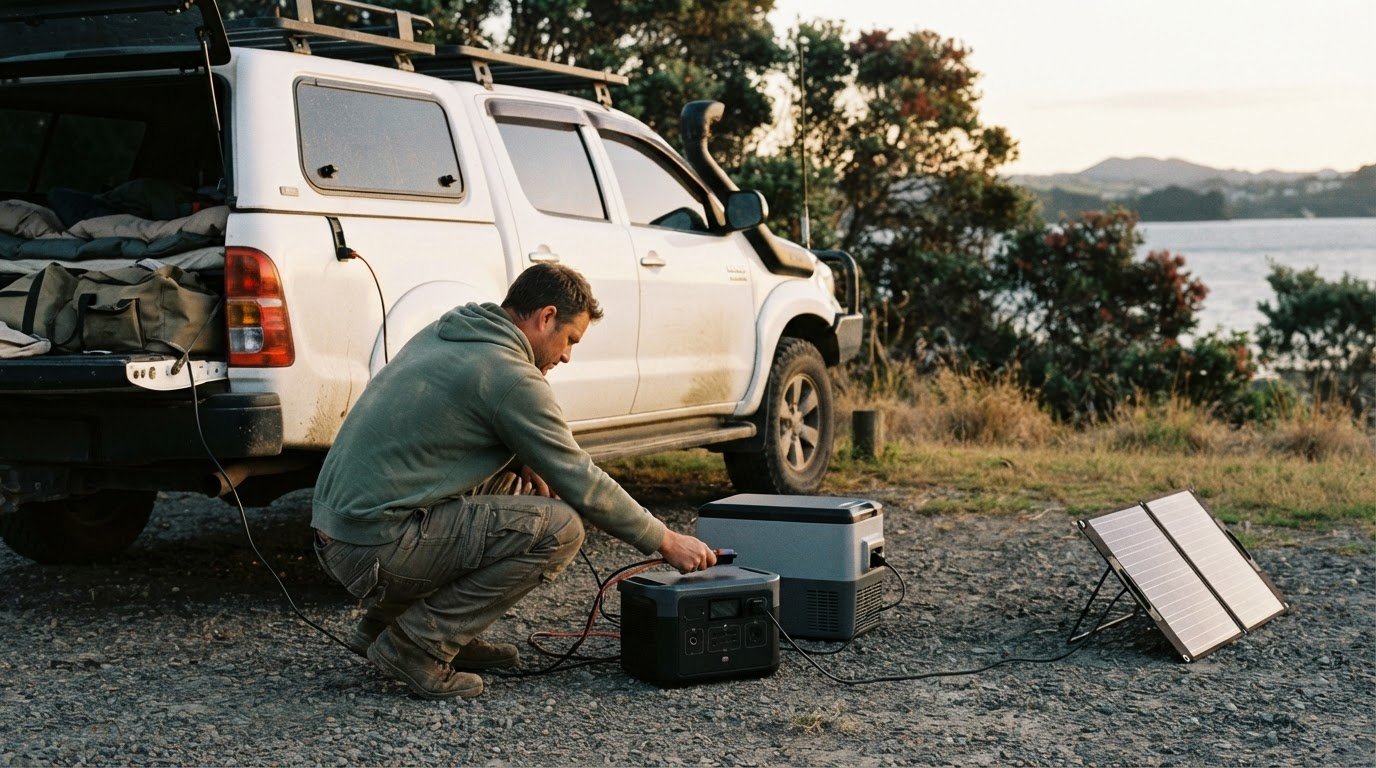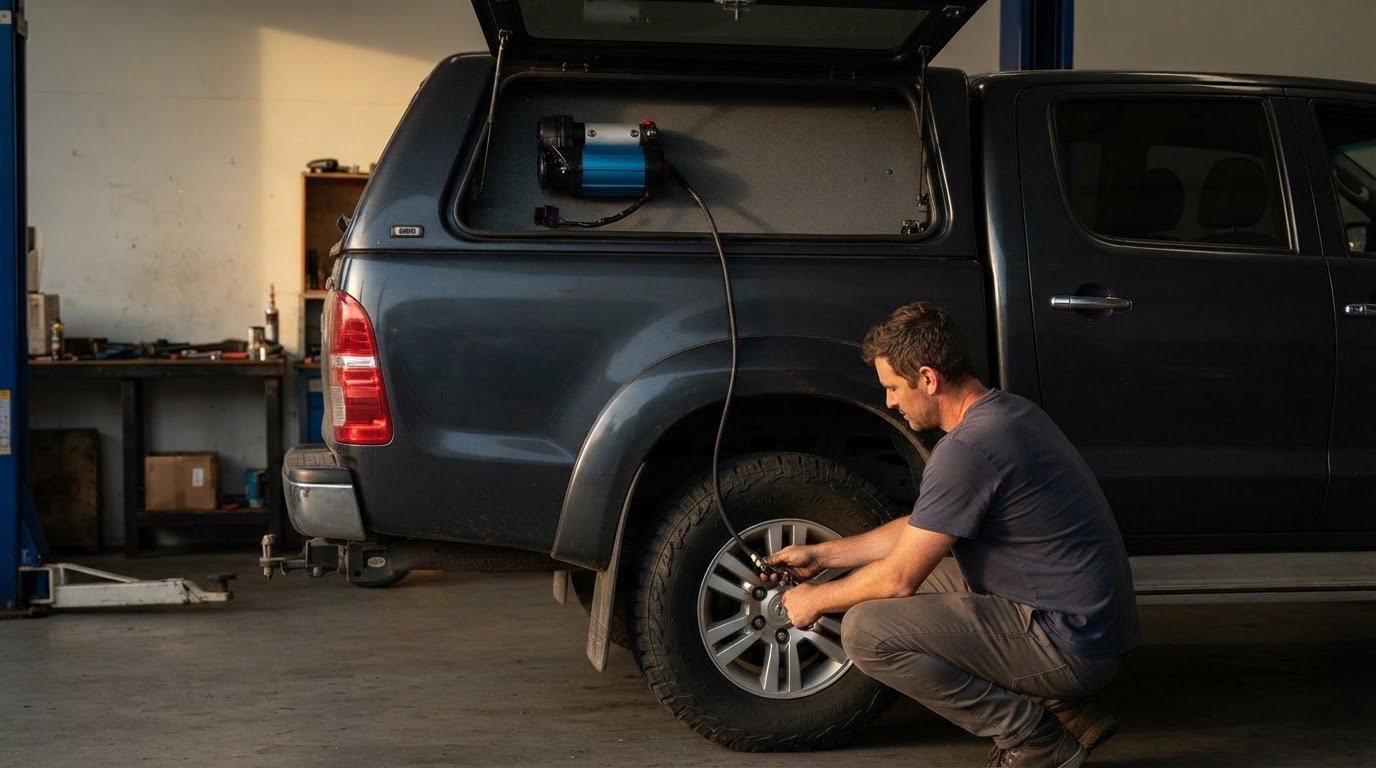

Fuel savings start with the way you drive. Improving ute fuel economy means changing up before engine revs rise unnecessarily, using smooth throttle inputs to maintain momentum and carrying only the load you need. Reducing unnecessary weight can also help conserve fuel.
A ute often has a job to do, whether it’s carrying tools, towing or travelling between work and home. You can’t always remove the load or avoid demanding conditions, but you can make deliberate choices behind the wheel. Small adjustments to your driving habits can help reduce fuel use without compromising the task.
This guide covers four practical ways to use fuel more efficiently: choosing gears sensibly, reducing weight, applying the throttle smoothly and leaving unnecessary items behind. You’ll learn how each habit affects the way your ute moves, and when the load or road conditions call for a different approach.
Key Takeaways
- Change up before the engine over-revs, and use the gear that helped you climb when descending while towing.
- Review what your ute and trailer carry; extra weight makes the engine work harder, so remove items you don’t need.
- Use smooth throttle inputs to preserve momentum, and reserve cruise control for flatter roads when towing.
- Separate essential gear from items that can stay behind to reduce the load without compromising the trip.
1. Changing up gears to avoid over-revving
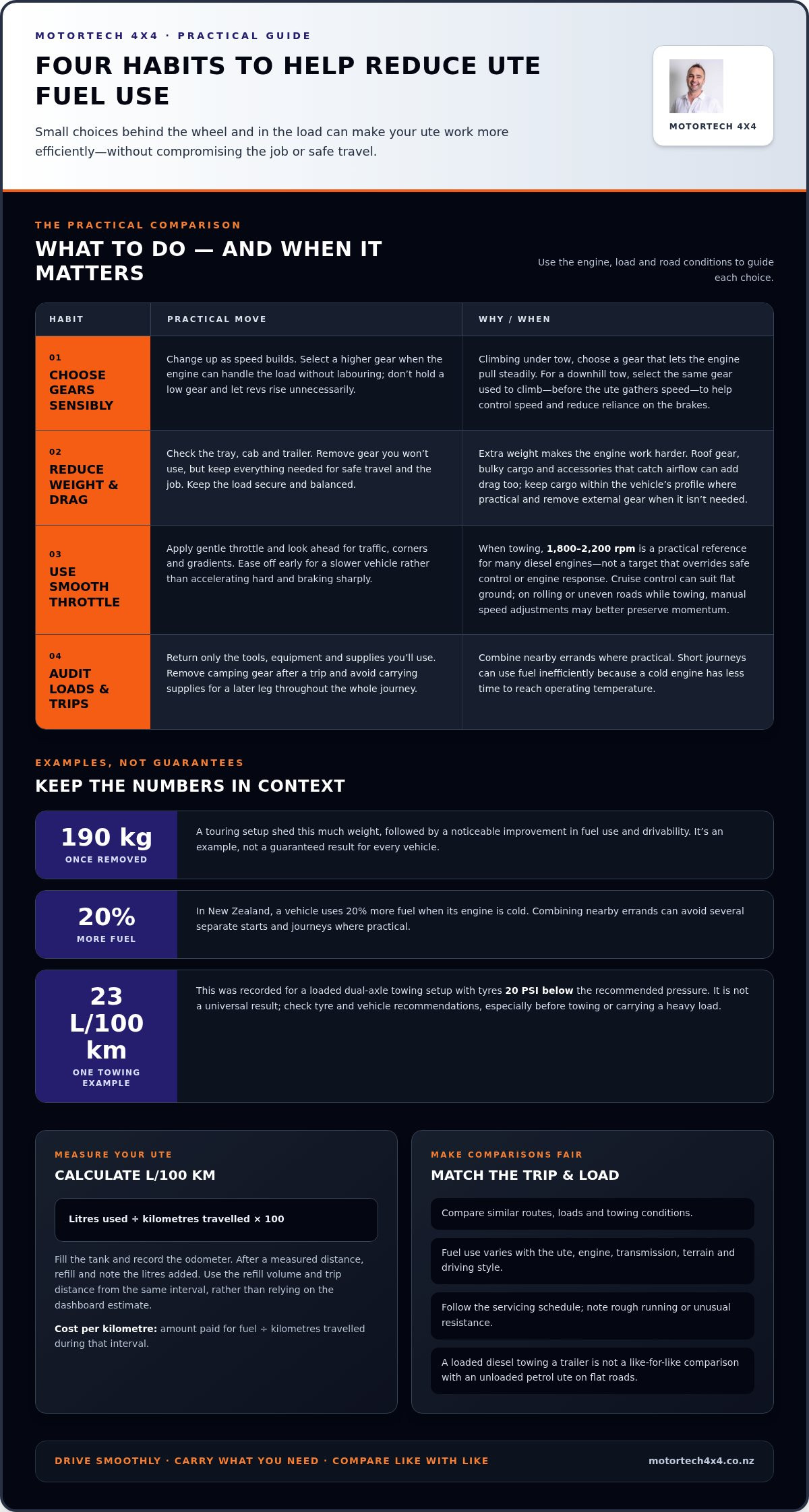
Change up through the gears as your ute gains speed, rather than holding a lower gear and letting the engine rev unnecessarily. Use the engine’s response as your guide: if it’s working hard without needing extra acceleration, select a higher gear. Don’t change up so early that the engine labours, particularly when carrying a load or climbing.
On a hill, build momentum sensibly before the climb and choose a gear that lets the engine pull steadily. When towing downhill, use the same gear you needed to climb the hill. This helps control the vehicle’s speed and reduces reliance on the brakes. Select the gear before descending, not after the ute has gathered speed.
Diesel utes often use less fuel than comparable petrol utes, particularly under load, but the difference depends on the engine, transmission, terrain and driving conditions. Compare like with like: a loaded diesel towing a trailer isn’t a fair comparison with an unloaded petrol ute on flat roads.
There isn’t one best fuel-efficient ute or a single real-world L/100 km figure for every New Zealand driver. Consumption varies with the model, engine, load, towing, route and driving style, so compare the same type of trip and use case.
Changing gears and selecting a factory tow/haul mode are driving choices, not physical modifications. For engine or hardware changes, New Zealand compliance and WOF considerations depend on the alteration and its effect on the vehicle. Fuel economy alone doesn’t provide a universal benchmark: judge your ute’s L/100 km against its usual route, load and towing conditions.
For example, a ute climbing under tow may need a lower gear to maintain a steady pull, then that same gear downhill. On level roads, shift up once the engine can handle the load without labouring. These choices support efficient driving while keeping control suited to the terrain.
2. Reducing vehicle and trailer weight
Every tool, accessory and item of cargo adds weight your ute must move. Before a trip, remove gear that won’t be used and check the tray, cab and trailer. A touring setup once shed 190 kg, followed by a noticeable improvement in fuel use and drivability. Treat that as an example, not a guaranteed result for every vehicle.
Start with a practical review of your load. Separate essential equipment from items you use occasionally, then leave unnecessary cargo at home. Check the trailer too: stored supplies, spare equipment and containers can add up. Keep the load secure and balanced, and don’t remove anything needed for safe travel or the job.
Weight isn’t the only source of extra resistance. Roof-mounted gear, bulky loads and accessories that catch airflow can increase aerodynamic drag, making the engine work harder as the ute moves. Keep cargo within the vehicle’s profile where practical, and remove external equipment when it isn’t needed. If auxiliary lights are part of your setup, consider their mounting and use as part of the overall equipment plan; vehicle lighting options can be considered alongside other ute accessories.
Short trips can also use fuel inefficiently because the engine has less time to reach operating temperature. In New Zealand, a vehicle uses 20% more fuel when its engine is cold. Combine nearby errands into one trip where practical, rather than making several separate starts and journeys. For example, plan a parts collection on the way to another planned stop.
When towing, assess the ute and trailer as one loaded combination. Remove unused camping gear before departure, and avoid carrying supplies for a later leg throughout the whole journey. Recheck the load after unloading at a site, so equipment you no longer need doesn’t travel home. Reducing unnecessary weight and drag helps the engine do less work on each trip.
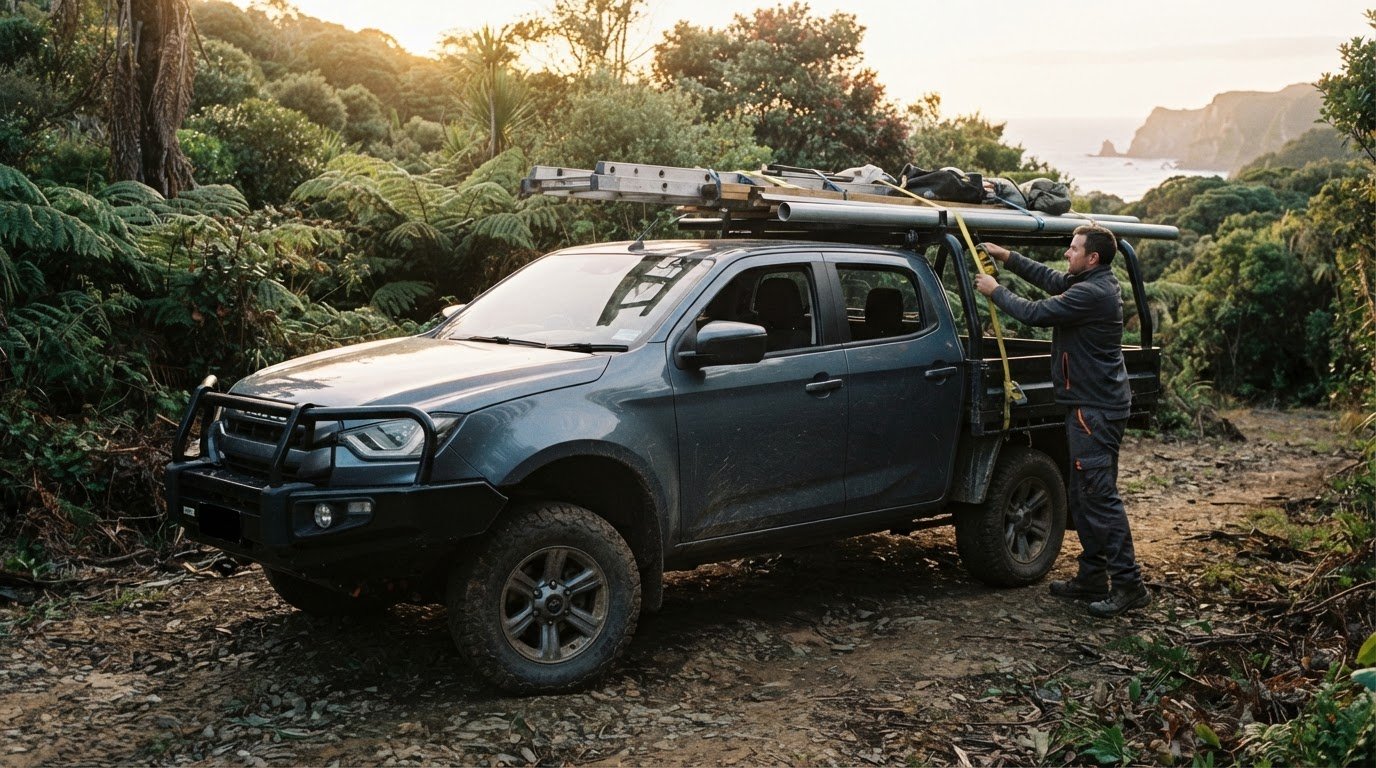
3. Smooth throttle control and maintaining momentum
Use gentle throttle pressure and look ahead to anticipate traffic, corners and changes in gradient. Accelerating hard, then braking sharply, wastes momentum. For example, ease off early when approaching a slower vehicle instead of maintaining speed until the last moment. On a clear, level road, steady acceleration helps your ute maintain pace without unnecessary engine effort.
When towing, many diesel engines are most efficient between 1,800 and 2,200 rpm. Use this as a practical reference, not a target that overrides safe control or the engine’s response. Cruise control can help hold speed on flat ground, but it may increase fuel use on rolling or uneven roads while towing, where manual speed adjustments can better preserve momentum.
Tyre pressure affects rolling resistance, but the fuel impact varies with the vehicle, tyres and load. One example involved a loaded dual-axle towing setup with tyres 20 PSI below the recommended pressure and fuel consumption of 23 L/100km. That figure describes the example, not a universal result. Check pressures against the vehicle and tyre recommendations, especially before towing or carrying a heavy load.
To calculate actual fuel economy, fill the tank, record the odometer, then refill and note the litres added after a measured distance. Divide litres used by kilometres travelled, then multiply by 100 to get L/100 km. For example, use the refill volume and trip distance from the same interval, rather than relying on the dashboard estimate. To calculate cost per kilometre, divide the amount paid for fuel by the kilometres travelled during that interval.
A well-tuned vehicle supports fuel efficiency, so include engine and drivetrain condition in routine maintenance. Follow the ute’s servicing schedule and pay attention to changes in performance, such as rough running or unusual resistance while driving. For a useful comparison, record L/100 km across similar routes and loads, then assess whether maintenance or driving changes affect the result.
4. Avoiding unnecessary loads
Start with a load audit before a workday or trip. Empty the ute’s tray and cab, then return only the tools, equipment and supplies you’ll use. For example, remove camping gear after a weekend away instead of carrying it through the following workweek. Check storage compartments too, where spare items can go unnoticed.
Use a simple three-part check: essential for this trip, useful but optional, or not needed. Keep essential recovery and work equipment, then remove optional gear that adds weight without serving the journey. Repeat the check for a trailer, including containers, spare equipment and supplies left from an earlier trip. Secure the remaining load so it can’t shift.
Bullbars, lift kits and larger tyres can reduce fuel economy by adding weight, increasing aerodynamic drag or changing rolling resistance. The effect depends on the accessory, tyre setup and how you use the ute. Larger tyres can also alter the overall gearing, so consider the combined setup rather than each change in isolation.
Accessories can still serve a clear purpose, such as protection or improved off-road capability. Match each addition to regular use, and avoid carrying removable equipment when it isn’t needed. A bullbar fitted for a specific work requirement is different from loose cargo that can simply be unloaded. When choosing wheels and tyres, consider size and intended use as well as appearance.
Review the setup after making changes. Compare fuel use on similar routes, with comparable loads and driving conditions, before deciding whether an accessory has affected consumption. This is more useful than judging from one varied trip. A ute carrying tools on a work run isn’t a fair baseline for an unloaded weekend drive.
If you’re planning a wheel or tyre change, discuss wheels and tyres suited to your ute’s intended use.
Motortech 4X4: Suspension Kits
Motortech 4X4 can help if your ute’s suspension needs to suit its regular load or intended use. A suspension change won’t reduce fuel consumption by itself, so keep driving habits and unnecessary cargo in view too.
Consider a Suspension Kit if added equipment or regular carrying tasks have changed how your ute is set up. Bullbars, snorkels and GVM Upgrades may also be relevant to a broader vehicle modification plan. Matching components to how you use the vehicle keeps the focus on practical requirements, rather than fitting accessories without a clear purpose.
Before making changes, consider what you carry, how you use the ute and which modifications are needed. For a considered setup, contact Motortech 4X4 or visit motortech4x4.co.nz.
Plan your next ute setup with purpose
Base your next vehicle decision on the work your ute actually does. Start with its usual load, route and towing demands. That context helps distinguish essential equipment from optional additions, and keeps capability central to any setup change. Improving ute fuel economy is an ongoing process: review the vehicle’s performance after changes, then adjust what you carry or how you use it.
For modifications, match the components to the job rather than choosing by appearance alone. Motortech 4X4 offers Suspension Kits, Bullbars and Snorkels, with options to consider as part of a purposeful vehicle setup. Think through how each addition fits your regular use and overall load before deciding what comes next.
For help considering your ute’s setup, contact Motortech 4X4. A considered plan can keep your vehicle practical for the work and journeys ahead.
Frequently Asked Questions
Why drive to conserve fuel?
Conserving fuel means fewer refills and more distance from the fuel already in your tank. For a ute used daily, savings can add up across regular work and personal trips. Efficient driving can also help you plan refuelling on longer journeys, rather than making an extra stop when the tank runs low. It’s a practical habit for work vehicles and private utes alike.
Does removing roof racks, canopies, or unnecessary cargo improve ute fuel economy?
Removing equipment you don’t need can reduce weight and, for roof-mounted gear, aerodynamic drag. An empty roof rack still changes the ute’s airflow, while cargo inside the tray adds weight. Consider how often you use each item: if a rack or canopy is essential for work, keep it fitted, but remove detachable gear when it won’t serve the trip.
What driving techniques reduce fuel use in a ute, including speed and idling?
Accelerate progressively, anticipate traffic and avoid unnecessary stops or sudden braking. Driving over the speed limit can increase a vehicle’s fuel consumption by 10%. Avoid leaving the engine idling during a long wait when the ute is safely parked and you don’t need it running. In slow traffic, leave room ahead so you can respond smoothly rather than repeatedly accelerating and braking.
Which maintenance issues increase ute fuel consumption, and what should be checked?
Mechanical faults that make an engine or drivetrain work harder can increase fuel use. During routine maintenance, watch for rough running, reduced response, warning lights, unusual noises or a vehicle that pulls to one side. A mechanic can inspect engine operation, filters, brakes and wheel alignment. Uneven tyre wear can also point to an alignment issue that needs attention.
How much fuel can regular servicing and wheel alignment save on a ute?
Regular servicing can address faults that make an engine use more fuel than it should, while correct wheel alignment helps prevent tyres from scrubbing against the road. The effect depends on the ute’s condition, the fault corrected, tyre wear, load and usual routes. Compare fuel use over similar journeys before and after maintenance to see how your vehicle responds.