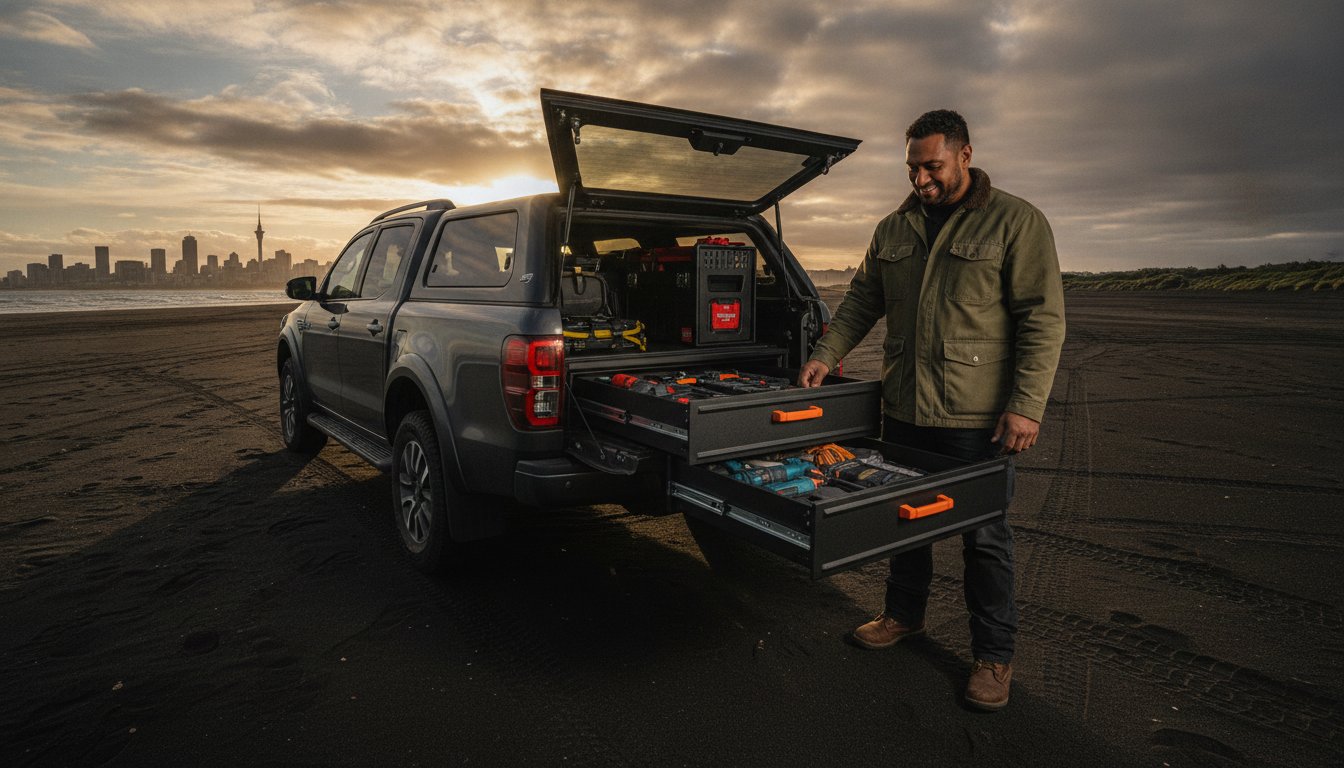
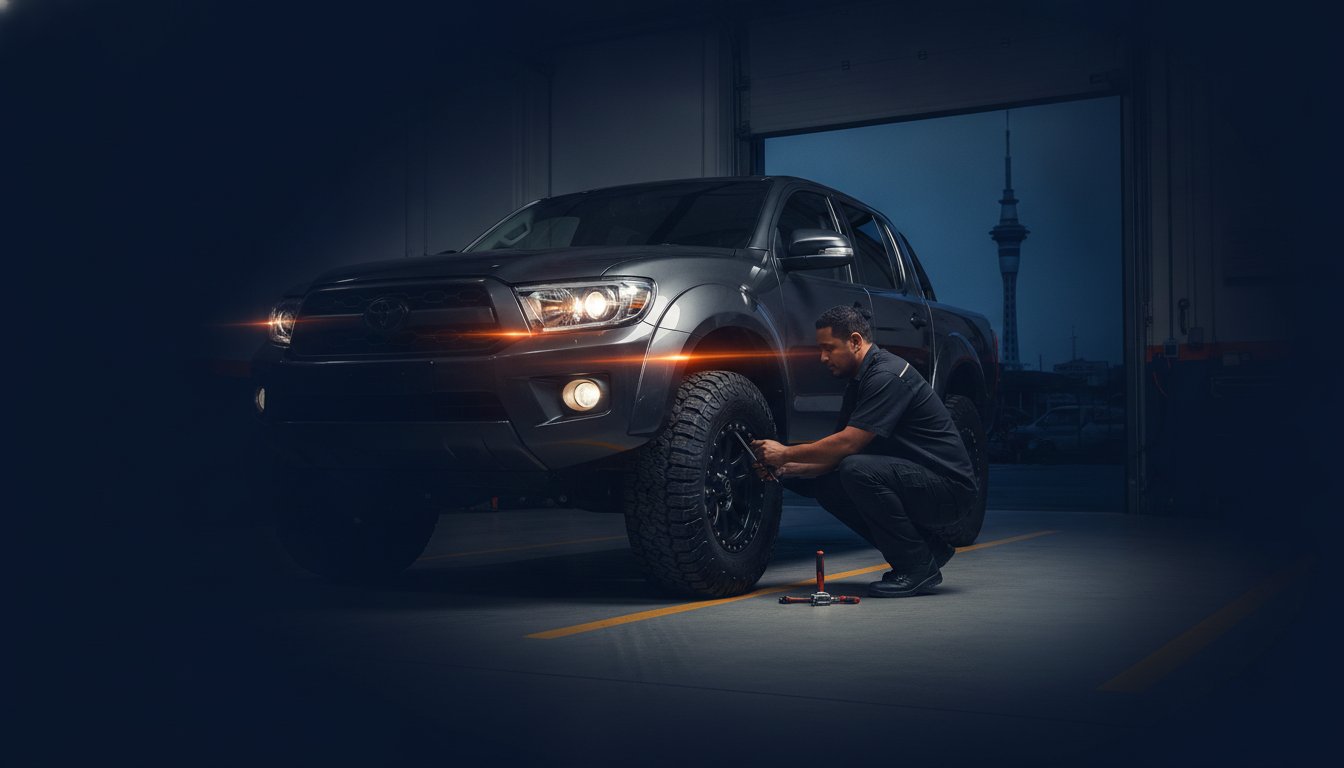
Did you know that nearly 37% of vehicles in New Zealand fail their Warrant of Fitness on the very first attempt? It is a frustrating statistic that often results in wasted time and the looming fear of being overcharged for last-minute repairs. We understand that for most Auckland drivers, the WOF process feels like an inconvenient hurdle rather than a simple safety check. It’s stressful to wonder if a minor oversight or a misunderstood regulation will lead to a failed inspection and a mandatory re-check.
While booking a professional car service auckland wide is the most reliable way to maintain mechanical health, you don’t need to be a qualified technician to ensure your vehicle meets basic NZ safety standards. Our comprehensive 2026 pre-inspection checklist is designed to help you spot the common issues that trip up one in three drivers before you even arrive at the testing station. We promise that by following these steps, you can navigate the inspection process without the typical stress. We will walk you through essential checks for tyre tread and lighting, while also clarifying the technical requirements for modified vehicles and LVV certification to ensure your car is fully compliant for Auckland’s motorways.
Key Takeaways
- Understand how Auckland’s unique environmental factors and driving patterns accelerate vehicle wear and impact your WOF results.
- Master a rapid exterior inspection technique for lighting and tyres to ensure compliance before your scheduled car service auckland.
- Identify the critical safety benchmarks for interior components, focusing on seatbelt functionality and brake system responsiveness.
- Clarify the legal requirements for modified performance vehicles, including the specific thresholds for LVVTA certification and lift kit compliance.
- Learn why specialist mechanical workshops offer a more reliable path to a first-time pass compared to generic high-volume inspection centres.
Preparing for Your WOF Auckland: Why a First-Time Pass Matters
In New Zealand, the Warrant of Fitness (WoF) serves as a mandatory safety benchmark for all light vehicles operating on public roads. It is a periodic technical inspection that ensures your vehicle meets minimum safety requirements at the time of assessment. For Auckland drivers, this inspection carries additional weight. The city’s unique environment, characterized by high humidity and the constant stop-start cycle of motorway congestion, accelerates the degradation of critical components. Moisture contributes to structural corrosion, while the repetitive braking required on the Southern Motorway increases wear on pads and rotors. Ensuring your vehicle passes its inspection on the first attempt is not just about compliance; it is about maintaining a reliable asset in a demanding driving environment.
Failing an inspection is an expensive inconvenience. While a failed vehicle can be driven for 28 days to allow for repairs, it requires a second visit to the testing station for a re-check. This doubles your downtime and adds unnecessary stress to your schedule. Avoiding these pitfalls starts with a proactive approach to maintenance. By scheduling a professional car service auckland motorists can identify underlying mechanical issues before they escalate into a WOF failure. The 2026 Waka Kotahi safety standards have also placed a higher emphasis on electronic safety systems and structural integrity, making it vital to understand where your vehicle stands before the inspector begins their assessment.
Understanding WOF Frequencies in 2026
Your vehicle’s inspection cycle is determined by its date of first registration. For brand-new vehicles, an initial WOF is issued for three years. Vehicles registered on or after 1 January 2000 require an annual inspection. However, older models registered before that date must undergo a check every six months. It’s vital to distinguish a WOF from a comprehensive mechanical service. A WOF only checks safety essentials like lights, tyres, and brakes. It does not assess engine health, lubricant levels, or transmission performance, which are the focus of a dedicated car service auckland wide.
Common Reasons for WOF Failure in Auckland
Statistics indicate that approximately 33% to 37% of vehicles fail their initial WOF inspection. In the Auckland region, tyre wear and lighting malfunctions remain the most frequent culprits. The city’s increasing issue with potholes also places immense strain on suspension systems and wheel alignment, often leading to failures that the driver might not notice during daily use. Industry data suggests that simple driveway checks, such as testing every bulb and inspecting tyre tread depth, could prevent nearly 40% of these first-time failures. Taking ten minutes to walk around your vehicle can save you hours of administrative hassle later.
The Exterior Walk-Around: Lighting, Tyres, and Visibility
The exterior walk-around is the most effective DIY phase of preparing for an inspection. Most failures occur due to visible defects that take seconds to identify but are often ignored. Start by systematically checking every bulb. This includes your high and low beam headlights, front and rear indicators, and the often-overlooked registration plate lamps. If a single bulb is out, it’s an automatic fail. Beyond lighting, visibility is paramount. Auckland’s sudden autumn downpours demand high-performance wiper blades and a functional washer system. A stone chip in the driver’s critical vision area or a crack longer than 25mm will likely result in a rejection during your car service auckland inspection.
Windscreen integrity is assessed based on the location and size of the damage. Any chip or crack that interferes with the driver’s line of sight is a safety hazard. Similarly, if your wipers leave streaks or fail to clear the glass effectively, they must be replaced. These small components are essential for navigating the Southern Motorway safely during heavy rain. If you are unsure about a specific chip, a professional car service auckland specialist can advise whether a repair is sufficient or if a full replacement is required to meet safety standards.
The 20-Cent Tyre Tread Test
The legal minimum tread depth in New Zealand is 1.5mm across the central three-quarters of the tyre. You can verify this using a standard 20-cent coin. Place the coin into the main grooves; if the base of the “20” is visible, your tread is likely too low. It’s also vital to check for sidewall bulging or “dry rot” cracks, which indicate the rubber is perishing due to age. Ensure that tyres on the same axle are the same construction type and show even wear. Uneven wear often signals a need for a professional wheel alignment.
Lighting and Visibility Standards
Inspect light housings for water ingress or cracked lenses that allow white light to leak through. Fog lights and high beams must operate correctly, and the horn must produce a steady, audible tone. Musical or alternating sirens are prohibited under official WOF requirements. These small details are what separate a first-time pass from a frustrating re-check. For those with off-road builds, ensure that bullbars and winches do not obscure the light output or have sharp protruding edges that could pose a risk to pedestrians.
Under the Bonnet and Inside the Cabin: Mechanical and Safety Checks
Moving from the exterior to the interior and engine bay requires a more technical eye. Occupant safety is the priority inside the cabin. Seatbelts are a primary focus; they must be in pristine condition. Extend each belt fully to check for fraying, cuts, or fading from sun exposure. The retractor must pull the belt back firmly without hesitation. If a buckle fails to click or a belt jams, your vehicle will not meet the Official WOF Inspection Requirements. Brakes also demand attention. If you feel a spongy pedal or hear high-pitched squeals when stopping, it’s time for a professional car service auckland. These symptoms often indicate worn pads or air in the hydraulic system, both of which compromise your stopping distance on the motorway.
Exhaust systems are assessed for both noise and emissions. Any significant leak that increases noise levels or allows dangerous fumes to enter the cabin will result in a failure. Inspectors also look for excessive smoke. Blue smoke often indicates burning oil, while thick black smoke suggests a fuel system issue. For those with performance modifications, ensure your exhaust isn’t excessively loud, as ‘boy racer’ style leaks or removals are strictly monitored. Identifying these mechanical issues early prevents the frustration of a failed inspection and ensures your vehicle remains efficient and safe for daily use.
Interior Safety Systems
Modern vehicles rely on electronic safety aids. The Supplemental Restraint System (SRS) or airbag light is a critical check. It must illuminate when you turn the ignition and then extinguish once the engine starts. If it stays on, the system is inactive, resulting in an immediate fail. Additionally, check that every door opens and closes securely from both the inside and outside. Sun visors are another small but essential item. They must stay in their stowed position and not sag, as a visor that flops down can dangerously obstruct your field of vision while driving.
The Engine Bay Inspection
Under the bonnet, the battery must be clamped down firmly. Any movement is a safety risk and a common reason for failure. Inspectors also look for active fluid leaks. While a minor “sweat” of oil is often acceptable, an active drip that could contaminate the road or ignite on a hot manifold is a major defect. During a comprehensive car service auckland, technicians will also inspect the brake fluid levels and may recommend a transmission flush to maintain system longevity. Finally, check the structural areas like the strut towers and chassis rails for signs of advanced rust, as structural integrity is the foundation of vehicle safety.
WOF Compliance for Modified 4x4s and Performance Vehicles
Auckland’s automotive landscape is defined by its diversity, particularly the prevalence of modified 4x4s and performance builds. However, standard inspection stations often struggle with the legislative nuances of modified vehicle compliance. In New Zealand, the ’50mm Rule’ is a critical threshold; any suspension modification that alters the vehicle height by more than 50mm from the original manufacturer’s specifications typically requires Low Volume Vehicle (LVV) certification. This process involves a specialist inspection to ensure the structural integrity and handling characteristics of the vehicle remain within safe parameters. Without a valid LVV plate for significant lifts or engine conversions, your vehicle will fail its Warrant of Fitness immediately.
Exterior modifications are also strictly regulated to protect other road users. Bullbars and winches must be fitted securely and cannot have sharp, protruding edges that pose a hazard to pedestrians. Additionally, tyres must remain entirely within the footprint of the vehicle’s guards or flares. ‘Tyre poke’ is a common failure point for off-roaders seeking a wider stance. For lifted utes, mudflaps are a mandatory requirement; they must cover the full width of the tyre tread and extend down to at least the centre line of the rear axle to prevent debris from being flicked into the windscreens of following traffic. If you are managing a complex build, booking a specialized car service auckland with Motortech 4X4 ensures your modifications are assessed by technicians who understand the intersection of performance and legality.
Suspension and Lift Kit Compliance
During an inspection, technicians look for ‘shiny’ spots on shock absorber shafts, which indicate the suspension is bottoming out and lacks sufficient travel. It is also vital to verify that brake hoses have enough slack to accommodate full suspension articulation without stretching or snagging. For modern vehicles equipped with Advanced Driver Assistance Systems (ADAS), any change in ride height requires professional ADAS calibration. This ensures that the cameras and sensors responsible for emergency braking and lane-keep assist are accurately aligned with the new vehicle pitch.
Bullbars, Snorkels, and External Accessories
External accessories must not compromise the driver’s field of vision. Snorkels must be positioned so they do not obstruct the forward view, particularly around the A-pillar. Lighting upgrades are another focus area; any additional driving lights or light bars must be wired into the high-beam circuit so they cannot be operated independently. Finally, ensure all external gear, including roof racks and rear-mounted spare tyres, is fastened with high-tensile hardware. A loose accessory is considered a significant safety risk during a high-speed car service auckland assessment.
Booking Your Auckland WOF: Next Steps for a Stress-Free Inspection
Choosing where to book your inspection is as important as the preparation itself. While high-volume testing stations offer a quick assessment, they are often limited to identifying faults without the capability to rectify them. This leaves you in a difficult position if your vehicle fails, requiring you to find a mechanic, book a separate appointment, and then return for a re-check. At Motortech 4X4, we provide a definitive solution. As a specialised mechanical workshop, we don’t just find faults; we have the technical expertise to resolve them on-site. This ‘one-stop’ approach eliminates the administrative burden of a failed inspection and ensures your vehicle is handled by professionals who understand complex mechanical systems and safety standards.
We offer flexible booking options to suit your schedule. Our ‘While You Wait’ service is ideal for those who need a rapid turnaround, while our ‘Drop and Go’ option allows us to perform a more thorough assessment alongside other maintenance tasks. When arriving for your inspection, please ensure you have your current registration details and any recent repair receipts. These documents provide a clear history of the vehicle’s maintenance, which is particularly helpful for modified vehicles that may have undergone significant upgrades since their last check. Having this paperwork ready streamlines the process and ensures our technicians have all the necessary context for your vehicle’s current configuration.
What Happens if You Fail?
If your vehicle fails its Warrant of Fitness, you have 28 days to complete the necessary repairs and return for a re-inspection. During this window, the re-check is performed at no additional cost by the original provider. However, it is vital to understand the ‘Safety Peril’ classification. If an inspector identifies a fault that poses an immediate danger, such as a major brake failure or structural collapse, the vehicle cannot legally be driven from the premises. In these instances, Motortech 4X4 organises rapid repairs to get you back on the road safely and legally as quickly as possible, avoiding the $200 fine associated with driving an unroadworthy vehicle.
The Value of a Combined Service and WOF
The most effective way to ensure a first-time pass is to combine your inspection with a comprehensive car service auckland wide. A regular service allows our technicians to identify potential WOF failures, such as thinning brake pads or perished suspension bushes, before the official inspection begins. This proactive strategy is essential for those planning long Kiwi road trips or demanding off-road excursions where vehicle reliability is non-negotiable. By integrating these tasks, you save time and gain the peace of mind that your vehicle is both compliant and mechanically sound for Auckland’s motorways.
Book your Auckland WOF and service at Motortech 4X4 today and experience the difference of a professional, solution-oriented inspection.
Secure Your First-Time WOF Pass Today
Mastering the Warrant of Fitness process is straightforward when you approach it with a systematic plan. By applying the checklist we have detailed, from the 20-cent tyre test to verifying interior safety systems, you effectively remove the uncertainty that often accompanies a trip to the inspection centre. Whether you are navigating daily city traffic or preparing for a rugged weekend off-road, maintaining these safety baselines ensures your vehicle remains a dependable asset on New Zealand’s roads.
Choosing a comprehensive car service auckland drivers rely on is the ultimate safeguard for your vehicle’s compliance. Motortech 4X4 offers the specialised expertise required to handle both standard light vehicles and heavily modified performance builds. We provide a complete solution, combining meticulous inspections with the mechanical capability to perform on-site repairs and manage LVVTA certification requirements. Our commitment to technical excellence means you can leave the workshop with the assurance that your vehicle meets every current safety standard.
Book Your WOF Inspection at Motortech 4X4 Auckland and drive with the confidence that comes from professional mechanical oversight.
Frequently Asked Questions
How long does a WOF inspection take in Auckland?
A standard WOF inspection typically takes between 30 and 45 minutes to complete at a professional testing station. This timeframe allows the technician to systematically check all safety components, including lighting, structural integrity, and brake performance. If you book a comprehensive car service auckland wide alongside your inspection, the total time will increase to accommodate mechanical maintenance, fluid checks, and a more thorough diagnostic assessment of your vehicle’s health.
Can I drive my car if the WOF has expired?
It is illegal to drive a vehicle on public roads with an expired WOF unless you are driving it directly to a repairer or an inspection station to obtain a new warrant. Driving with an expired label can result in a fine of up to $200 and may also invalidate your vehicle insurance policy in the event of an accident. You should always ensure your inspection is booked before the expiry date to avoid these legal risks.
What is the 1.5mm tyre tread rule in New Zealand?
The 1.5mm rule specifies the minimum legal tread depth required across the central three-quarters of the tyre’s circumference. If any part of this area falls below 1.5mm, the vehicle will fail its inspection immediately. While this is the legal minimum for compliance, many safety experts recommend replacing tyres when they reach 3mm to maintain optimal grip and water displacement on wet Auckland motorways during sudden winter downpours.
Does my 4×4 lift kit need a cert for a WOF?
A suspension lift kit requires a Low Volume Vehicle (LVV) certification if the modification exceeds 50mm from the original manufacturer’s ride height. Any significant alteration to the steering, suspension, or structural chassis rails must be assessed by an LVV certifier to ensure the vehicle remains stable. Smaller lifts under 50mm generally don’t require certification provided they use approved components and do not compromise the vehicle’s original safety geometry.
What happens if my car fails the WOF inspection?
If your vehicle fails, you have 28 days to rectify the identified faults and return for a re-inspection at no additional cost. During this period, the vehicle should only be driven to a workshop for repairs or back to the inspection centre. If the failure involves a “Safety Peril” that makes the car dangerous to drive, you must not operate the vehicle at all until the critical repairs are completed and verified.
How much does a WOF cost in Auckland in 2026?
WOF inspection costs in Auckland generally range between $70 and $95 depending on the provider and membership status. For example, VTNZ typically charges approximately $89.00 for a standard light vehicle inspection, while AA members may pay a reduced rate of around $76. Many drivers find better value by bundling their inspection with a regular car service auckland wide to identify and fix mechanical issues before the formal safety check begins.
Are stone chips in the windscreen a guaranteed WOF failure?
Stone chips are not an automatic failure unless they are located in the driver’s critical vision area or exceed specific size limits. A chip or crack larger than 25mm anywhere on the windscreen, or any damage that obstructs the driver’s line of sight, will result in a rejection. Small chips outside the main vision area can often be professionally repaired to meet safety standards, preventing the need for a full windscreen replacement.
Do I need to clean my car before a WOF inspection?
Your vehicle must be clean enough for the inspector to examine all critical components without obstruction. Excessive mud or dirt on the underbody, chassis rails, or engine bay can prevent a thorough assessment of structural integrity and active fluid leaks. Ensuring your interior is tidy also allows the technician to check seatbelts and SRS lights efficiently, which helps facilitate a smoother and faster inspection process for everyone involved.