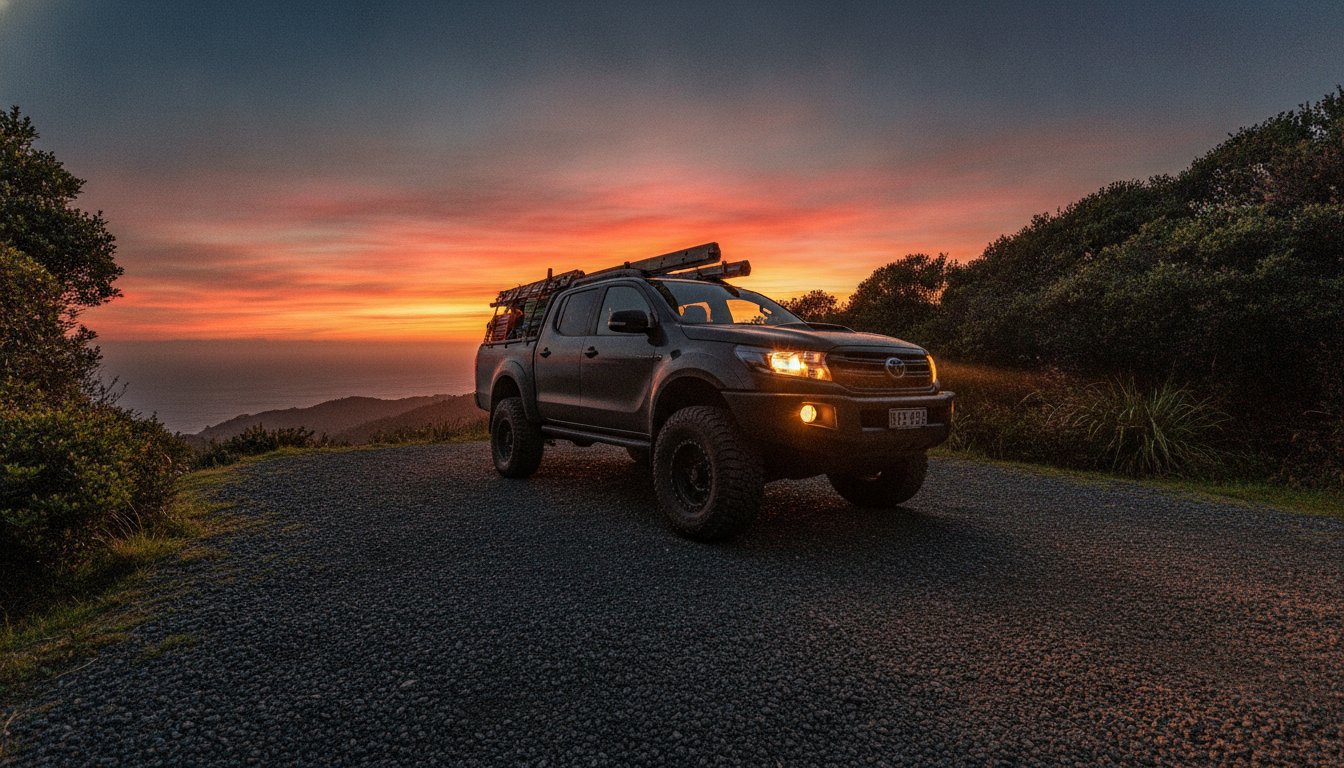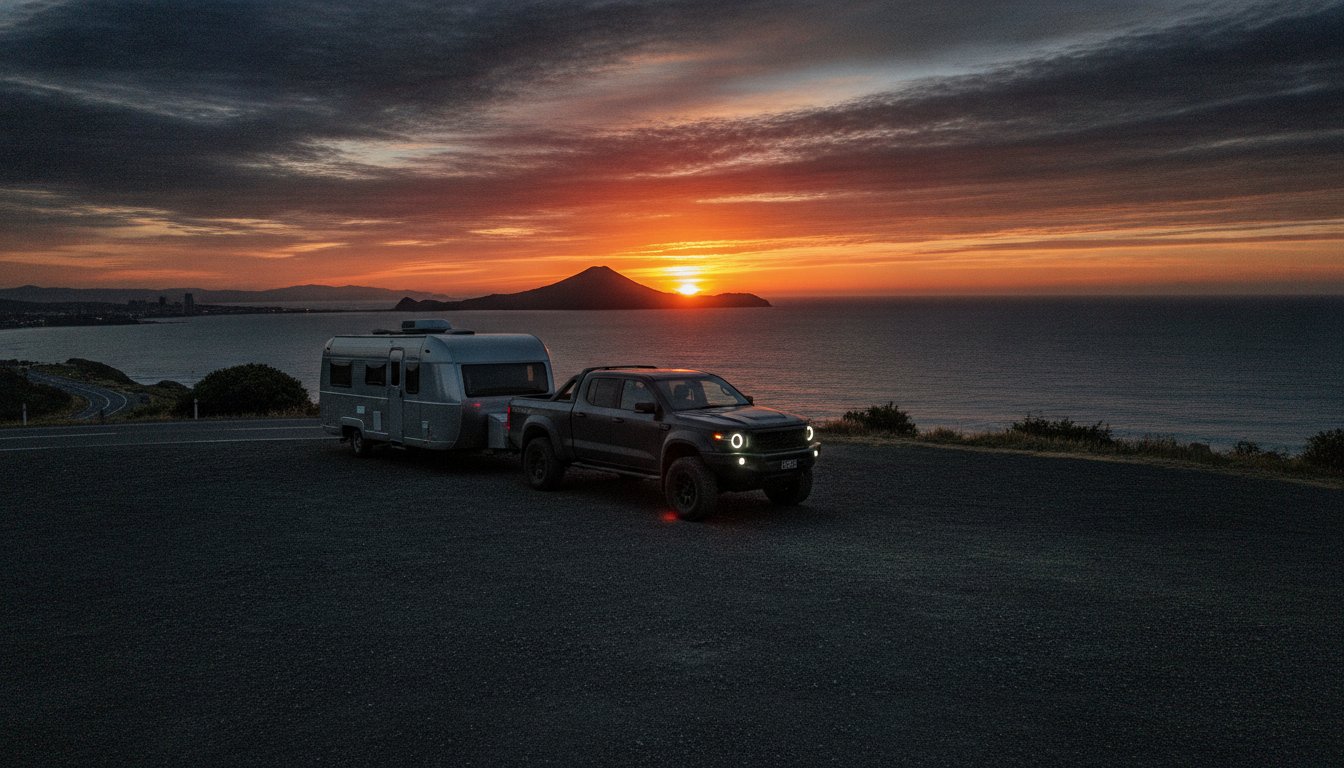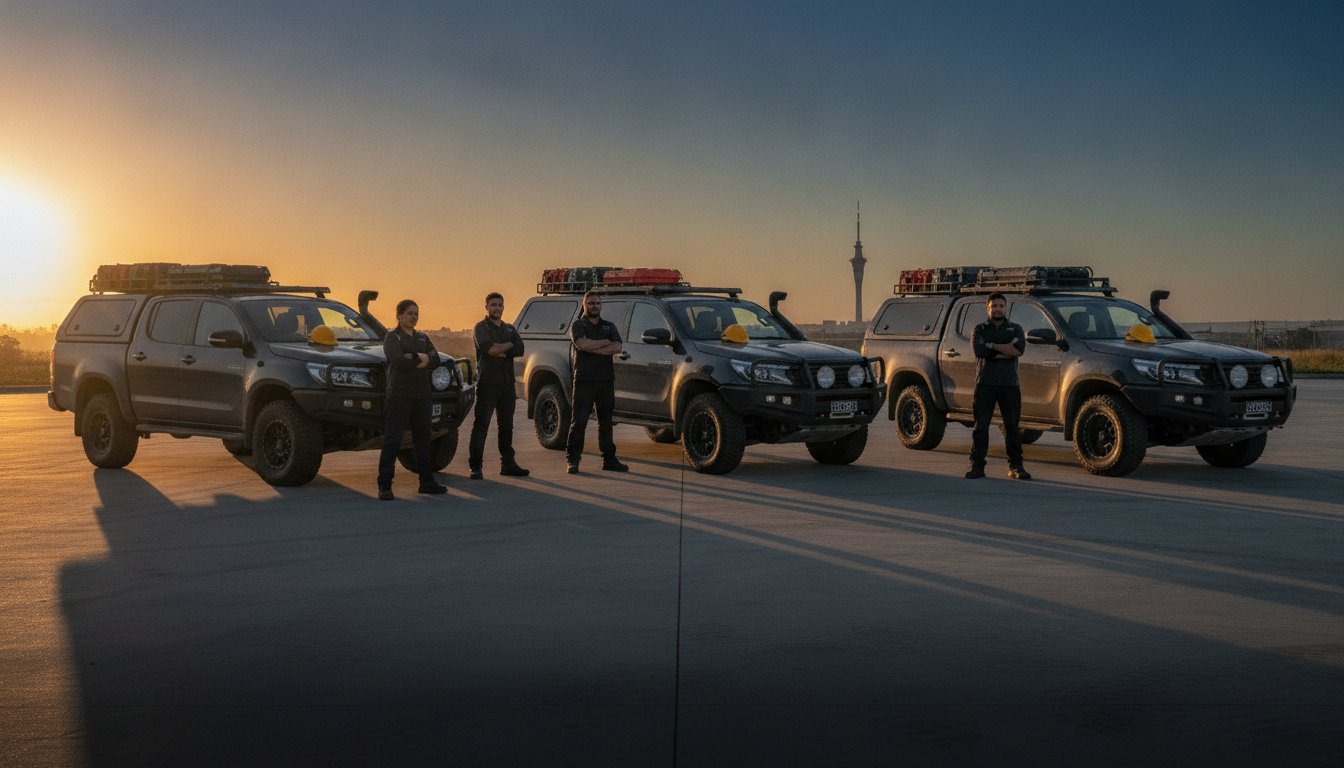
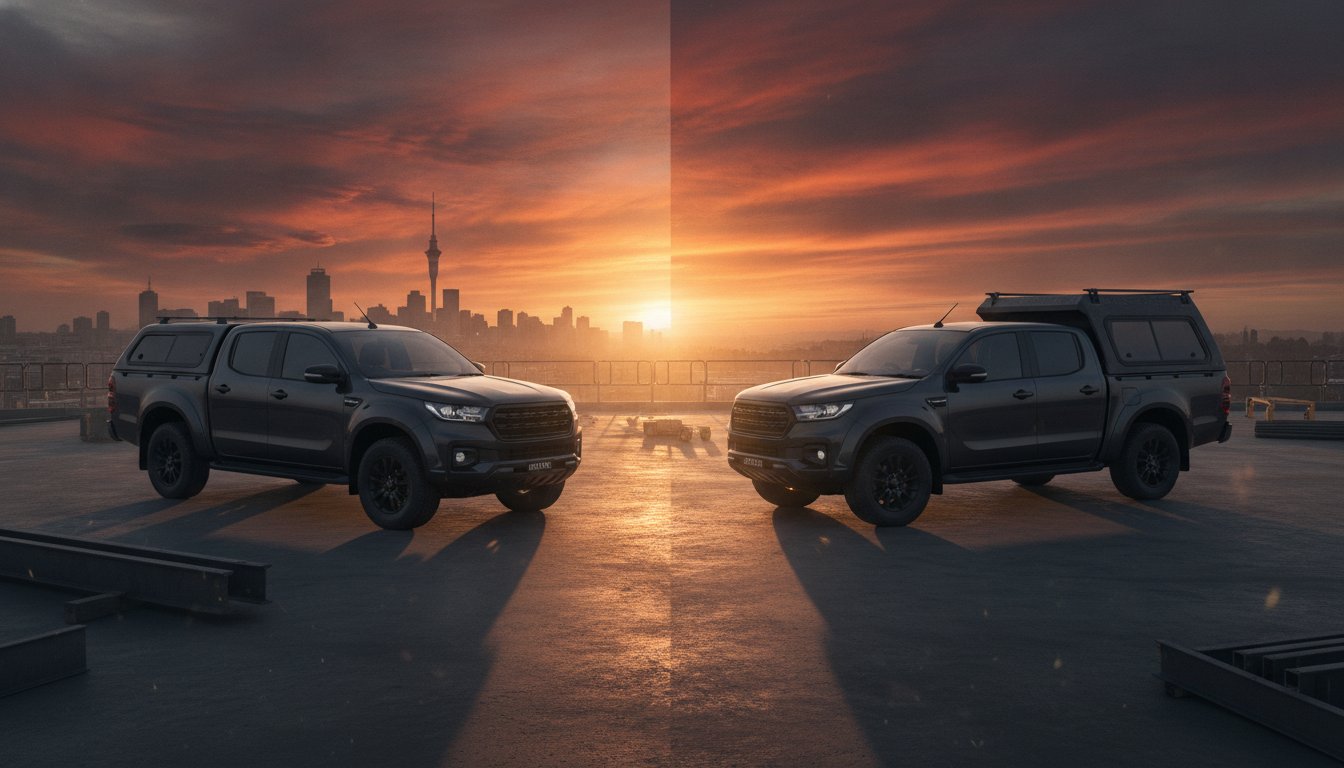
Your choice of rear storage is the single most important modification you’ll make to your vehicle this year. It isn’t merely a question of aesthetics; it’s a technical decision that impacts your ute’s legal payload, safety systems, and daily utility on the job site. When weighing up a hardlid vs canopy NZ wide, many owners mistakenly prioritise looks over the practical realities of Auckland’s high-humidity work conditions and the constant threat of tool theft.
We understand that you’ve likely spent hours worrying if a heavy canopy will push your GVM over the limit or if a hardlid will leave your expensive gear vulnerable to water ingress during a sudden downpour. You want a solution that keeps your equipment secure and bone-dry without compromising the vehicle’s handling or legal compliance. This guide provides a professional breakdown of both options, helping you invest in the right setup for your specific lifestyle and 2026 vehicle model. We’ll examine the technical trade-offs between vertical volume and top-load versatility, ensuring your next fit-out is as high-performing and safe as the rest of your rig.
Key Takeaways
- Learn how your rear storage choice affects vehicle aerodynamics and fuel efficiency during high-speed travel on Auckland motorways.
- Understand the technical trade-offs of a hardlid vs canopy NZ setup, specifically regarding how each option impacts your vehicle’s legal payload and GVM.
- Discover which solution offers the best balance of security and weatherproofing for expensive tools without compromising your ute’s rugged aesthetic.
- Identify why professional installation and ADAS calibration are essential for 2026 models to ensure safety sensors and factory warranties remain intact.
- Explore how to maximise your tray’s utility through internal organisation systems and secondary cargo platforms for both work and touring.
Why Your Choice of Rear Storage Defines Your Ute’s Utility
The New Zealand ute has undergone a massive transformation. Once a basic farm tool, it’s now a sophisticated family vehicle and long-distance tourer. This shift means the tray isn’t just for hay bales; it’s for groceries, camping gear, and high-value power tools. Choosing between a hardlid vs canopy NZ wide depends on how you balance these roles. On Auckland motorways, aerodynamics play a significant part in your weekly fuel bill. An open tray creates a low-pressure pocket that increases drag. Fitting a lid or canopy streamlines the airflow, which is particularly vital for the latest 2026 hybrid and PHEV models. These new drivetrains often feature complex battery placements beneath the tray or integrated into the chassis, meaning any modification must account for weight distribution and thermal management. A professional fit-out ensures these systems aren’t compromised by extra weight or restricted airflow.
The Security Factor: Protecting Your Tools and Gear
Security is the primary reason Auckland owners upgrade their storage. A visual deterrent is your first line of defence. If a thief can’t see what’s in the tray, they’re less likely to attempt a break-in. Modern solutions now offer seamless integration with factory security systems. You can find various Tonneau cover styles and materials that sync directly with your vehicle’s key fob, locking the rear storage simultaneously with the cabin doors. While traditional stainless steel T-handles remain a rugged choice for many, electronic latches are becoming the standard for 2026 fit-outs. They provide a flush finish and superior tamper resistance, making it much harder for opportunists to gain leverage with a crowbar.
Weatherproofing in the NZ Climate
Auckland’s weather presents a unique challenge for vehicle storage. Between intense UV rays and corrosive salt air from the coast, your gear faces constant environmental stress. While no tray is 100% waterproof due to factory drainage holes and tailgate gaps, a professional fit-out gets you close. High-quality automotive-grade seals and dedicated internal drainage channels are essential to prevent moisture from pooling in the corners of the tray. When debating hardlid vs canopy NZ options, consider that a poorly installed unit can trap water against the metal. This leads to tray rust and potential electrical issues with your ADAS sensors or trailer wiring. Proper fitting ensures that water is diverted away from the vehicle’s structural components, keeping your tools dry through every season.
The Hardlid Advantage: Security, Style, and Top-Load Capacity
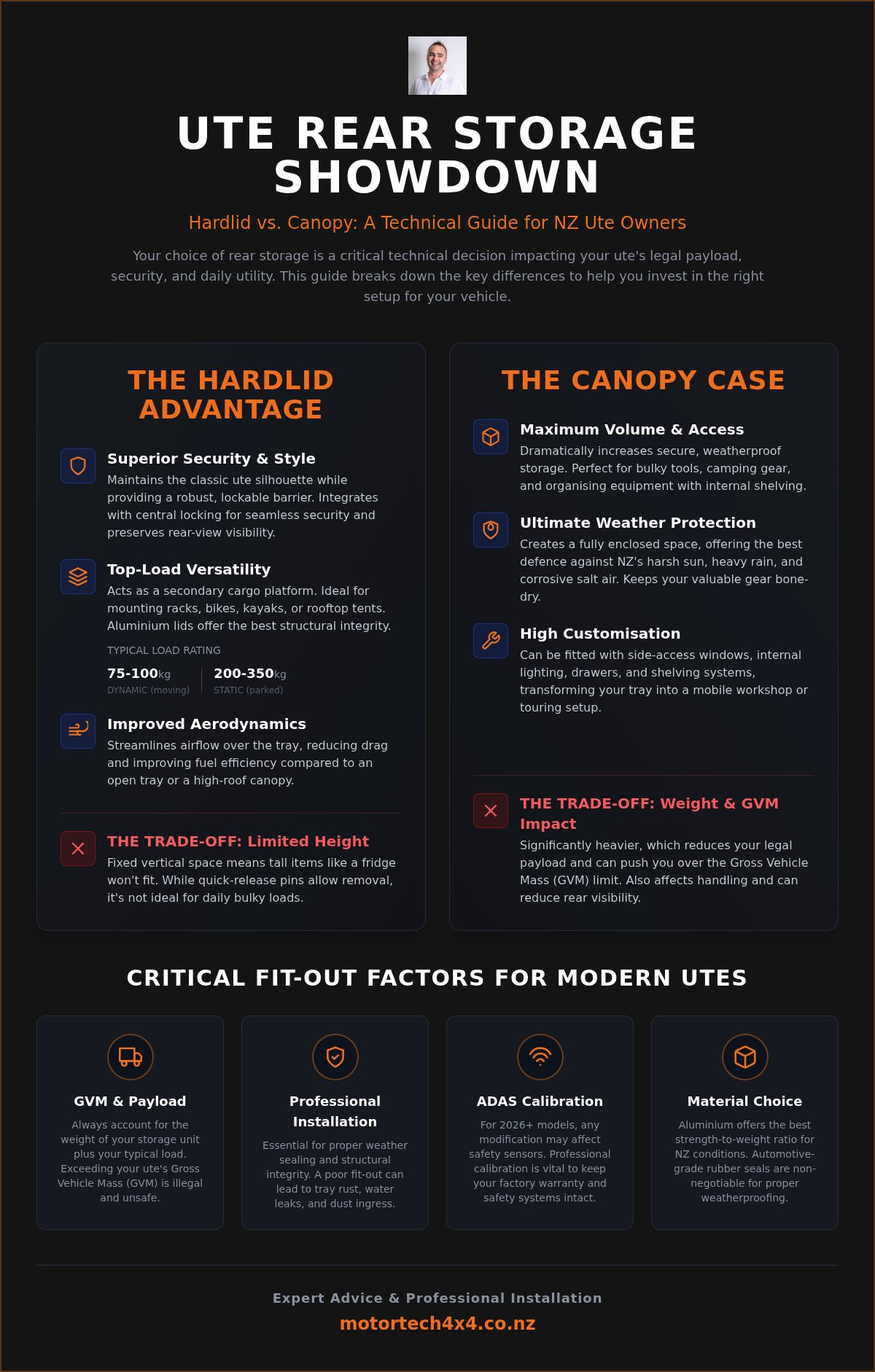
A hardlid maintains the classic “truck” silhouette while providing a high level of security. For many Auckland owners, the aesthetic appeal of a low-profile lid is non-negotiable. Beyond looks, the functional benefits are significant. Because they sit flush with the tray, aerodynamics significantly affect fuel economy by reducing the turbulence created by an open bed. This setup is often more efficient than a high-roof canopy, which increases the vehicle’s frontal area and drag. Crucially, a hardlid preserves your rear-view visibility, a factor often overlooked when debating hardlid vs canopy NZ options. Many models also offer quick-release pins, allowing you to convert your ute back to an open tray in under five minutes when you need to haul oversized loads.
Top-Loading: Carrying Racks and Tents
Modern hardlids are engineered as secondary cargo platforms rather than just covers. High-quality aluminium checker plate lids offer superior durability and structural integrity compared to plastic or fibreglass alternatives. When planning your fit-out, you must distinguish between static and dynamic load ratings. The dynamic rating refers to the weight you can safely carry while the vehicle is in motion, whereas the static rating applies when the vehicle is stationary. This is a critical distinction for those wanting to mount crossbars for bikes, kayaks, or even a rooftop tent. Choosing an aluminium lid ensures your mounting points remain rigid over years of use on corrugated NZ backroads. If you’re looking for a versatile setup, the experts at Motortech 4X4 can recommend a lid that matches your specific payload requirements.
The Trade-off: Vertical Space Limitations
The most obvious limitation of a hardlid is the fixed vertical height. This creates the “fridge problem” where tall items simply won’t fit beneath the locked lid. While some owners use “Gap Brackets” to travel with the lid partially open, this compromises the security of your gear and allows rain to enter the tray. If your daily work or lifestyle involves transporting high-volume cargo that regularly exceeds the height of the tray sides, a hardlid will likely prove frustrating. This storage style is best suited for tradies with low-profile toolboxes or weekend adventurers who prefer to carry their heavy gear—such as high-performance electric bikes from Cooneys Bike Care—on top of the lid rather than inside a confined space. When deciding on a hardlid vs canopy NZ fit-out, it’s a trade-off between the sleek, secure “truck” look and the van-like volume of a canopy.
While a hardlid excels at maintaining a sleek profile, a canopy transforms your ute into a high-volume cargo carrier. This “van-like” utility is the primary reason many Auckland tradies opt for a canopy over a lid. It provides a secure, weatherproof environment for large power tools, materials, and equipment that exceed the height of the tray sides. When comparing a hardlid vs canopy NZ solution, the canopy wins on sheer cubic capacity. It also serves as the foundation for sophisticated internal organisation. You can install ceiling-height shelving or multi-tier drawer systems that keep your gear sorted and accessible. For those transporting dogs, a canopy is the only viable option. Sliding side windows provide the necessary cross-ventilation that a closed lid cannot offer, ensuring pet safety during long drives across the North Island.
Side access is a critical consideration for daily use. Lift-up windows are generally preferred by professionals as they allow for easy reach-in access to tools from the side of the vehicle. This eliminates the need to crawl into the tray to retrieve items at the front. Conversely, sliding windows are better for airflow but offer limited security and access. Choosing the right configuration ensures your vehicle remains a functional tool rather than a storage frustration.
Material Matters: ABS, Fibreglass, or Aluminium?
The construction material of your canopy dictates its durability and weight. Fibreglass remains a classic choice because it can be paint-matched to your vehicle’s factory colour for a seamless look. It’s rigid and handles NZ’s high UV levels well. ABS plastic is a lighter alternative, often used in fleet applications where maintaining maximum payload is a priority. For the ultimate in rugged performance, aluminium canopies are the gold standard. They’re incredibly tough, modular, and can support heavy roof loads. At Motortech 4X4, we help you select the material that balances your need for strength against your vehicle’s specific GVM constraints.
Visibility and Driving Dynamics
Adding a canopy significantly changes how your ute handles and how you see the road. The most immediate impact is the loss of rear-view mirror utility. You’ll rely more heavily on side mirrors and your reverse camera. You must also account for the “sail effect” during Auckland’s frequent high-wind events. A high-roof canopy creates a larger surface area for crosswinds to catch, which can affect stability on the motorway. Modern 2026 canopy designs mitigate this with better aerodynamic shaping and integrated safety features. This includes high-stop brake lights and internal LED illumination that taps directly into the vehicle’s electrical system, ensuring you stay visible and can find your gear in the dark.
Head-to-Head: Hardlid vs Canopy for NZ Tradies and Tourers
Determining the victor in the hardlid vs canopy NZ debate requires an honest assessment of your payload and daily workflow. A canopy offers unmatched volume, but it comes at a cost to your Gross Vehicle Mass (GVM). Depending on the material, a full-sized canopy can weigh between 70kg and 100kg before you’ve even loaded a single tool. In contrast, an aluminium hardlid typically weighs between 40kg and 60kg, preserving more of your legal payload for heavy equipment or towing. Resale value in the New Zealand market remains strong for both modifications. However, a professionally fitted canopy often commands a premium on the used market because it’s viewed as a permanent vehicle transformation. For those seeking a compromise, roller covers offer a hybrid solution, though they often struggle to match the superior dust sealing and security of a solid lid or a fully sealed canopy.
The Tradie Choice: Tools vs Accessibility
Auckland sparkies often prefer the combination of a hardlid and a high-quality drawer system. This setup allows for rapid access to small parts, cables, and testing equipment without the need to climb into the tray. It keeps the centre of gravity low and the vehicle’s profile sleek. Conversely, for builders or plumbers carrying hot water cylinders, tall machinery, or high-volume waste, the vertical height of a canopy is essential. Organising the tray becomes a different challenge with a canopy; you’ll likely need a more complex shelving system to prevent gear from sliding around in the larger open space. Both configurations require a professional touch to ensure that the added weight is distributed safely across the rear axle.
The Weekend Warrior: Camping and Hunting
For the NZ hunter, the canopy is the logical choice for managing dogs and wet gear. It provides the necessary ventilation through sliding windows and a dedicated space for carcasses that can be hosed out after a trip. Tourers tackling the dusty gravel roads of the South Island, however, must prioritise sealing. A high-quality hardlid with automotive-grade seals often provides a tighter fit against the tailgate than a budget canopy, keeping your camping gear bone-dry and dust-free. When it comes to Roof Top Tents, mounting them on a hardlid keeps the tent lower, which significantly improves vehicle handling on technical off-road tracks. If you’re unsure which configuration suits your specific GVM limits, book a consultation with Motortech 4X4 for a professional fit-out assessment.
Professional Installation: Why Expert Fitting Matters in Auckland
Modern utes are far more than just steel trays and diesel engines. They are sophisticated platforms integrated with Advanced Driver Assistance Systems (ADAS). When choosing a hardlid vs canopy NZ solution, you aren’t just adding a cover; you’re modifying the vehicle’s sensor field. A canopy can physically obstruct rear-facing radar and cameras. Even the weight of a heavy-duty lid can alter the vehicle’s pitch, throwing off sensor alignment. Professional installation ensures these systems are recalibrated to factory standards, maintaining the integrity of your safety tech. At Motortech 4X4, we manage the entire process from structural mounting to electronic integration.
Poorly executed DIY fittings often lead to structural failures. We’ve seen instances where canopies have caused tray cracking because the mounting points weren’t reinforced for NZ’s corrugated roads. This doesn’t just damage your vehicle; it can void your manufacturer warranty. Expert fitting involves precise torque settings and automotive-grade seals that prevent moisture ingress and metal fatigue over time. It’s a calculated engineering task rather than a simple bolt-on job.
ADAS Calibration and Safety Compliance
Adding a high-roof canopy often interferes with blind-spot monitoring and parking sensors. If these systems aren’t correctly calibrated after the modification, your vehicle may be unsafe or fail a Warrant of Fitness (WOF). Professional ADAS Calibration is a non-negotiable step for any 2026 model fit-out. This meticulous process ensures your emergency braking and lane-keep assist systems respond correctly to the new dimensions of your vehicle. It’s about more than just fitting a part; it’s about ensuring the vehicle’s brain understands its new physical footprint and weight distribution.
Custom Fleet Fit-outs and Performance
For Auckland businesses, uniformity and durability across a fleet are essential. A professional fit-out allows you to scale your operations with confidence, knowing every vehicle meets the same high standard of safety and utility. Beyond the storage itself, we often combine these installations with GVM Upgrades to handle the increased constant load of heavy gear. If you’re frequently towing heavy trailers or carrying a full canopy of tools, an ECU remap can provide the necessary torque enhancement to maintain performance. This holistic approach ensures your ute remains a reliable asset for years to come. Our Auckland workshop provides a complete solution, from suspension kits to vehicle lighting, ensuring your vehicle is ready for the demands of the road.
Book your professional accessory fitting at Motortech 4X4 today!
Optimising Your Ute for the Road Ahead
Choosing between a hardlid vs canopy NZ setup is a technical decision that defines your vehicle’s performance and daily utility. While the canopy offers the high-volume capacity essential for large equipment and pet safety, the hardlid remains the superior choice for those prioritising aerodynamics and secure, low-profile storage. Both modifications significantly impact your vehicle’s GVM and electronic safety systems, making professional integration a necessity rather than an option for 2026 models. You’ve invested in a high-performance vehicle; your storage solution should match that standard.
Motortech 4X4 is Auckland’s leading 4×4 specialist. As GVM and ADAS calibration experts, our full mechanical and accessory service centre ensures your fit-out is safe, legal, and built to withstand the harshest NZ conditions. We don’t just supply the parts; we engineer the complete solution to match your specific lifestyle and work requirements. Take the guesswork out of your vehicle modification and ensure your investment is protected by seasoned professionals who understand the precision required for modern utes.
Get a Professional Ute Fit-out Quote from Motortech 4X4 and start your next adventure with total confidence in your gear.
Frequently Asked Questions
Is a hardlid or a canopy more secure for my tools?
Hardlids generally provide superior security because their low-profile design makes it much harder for a thief to gain leverage with a crowbar. While a high-quality canopy offers a strong visual deterrent, its large glass windows or side doors represent more potential entry points. When comparing a hardlid vs canopy NZ wide, owners often find that the solid, horizontal locking mechanism of a lid is more tamper-resistant for protecting high-value power tools.
Do I need a GVM upgrade if I install a heavy aluminium canopy?
You should consider a GVM upgrade if the combined weight of your canopy and daily gear exceeds the vehicle’s factory payload limits. A heavy aluminium canopy can weigh up to 100kg before you add shelving or tools, which significantly reduces your remaining legal capacity for passengers and towing. A professional weight assessment is essential to ensure your vehicle remains legal and safe on NZ roads, particularly for fleet vehicles.
Can I still use my rear-view camera with a canopy fitted?
Your factory rear-view camera will still function, but its perspective may change depending on the canopy’s design and mounting height. Some installations require the camera to be relocated to a higher point to maintain a clear field of vision behind the vehicle. Professional fitting ensures the camera is correctly integrated with your vehicle’s display and that any necessary ADAS calibration is performed to maintain the accuracy of your safety systems.
How much weight can I actually carry on top of a hardlid?
Load ratings vary by material, but a high-quality aluminium hardlid can typically support a dynamic load of 100kg while the vehicle is in motion. When stationary, the static load rating can reach 300kg, which is sufficient for a rooftop tent and two adults. It is vital to check specific manufacturer specifications for your model, as plastic or fibreglass lids have much lower capacities and may crack under excessive stress or vibrations.
Will a canopy affect my ute’s fuel consumption on the motorway?
A canopy will likely increase your fuel consumption due to the larger frontal area and increased aerodynamic drag. While it streamlines air better than an open tray, its height creates a sail effect that forces the engine to work harder at motorway speeds. When debating a hardlid vs canopy NZ owners should note that a low-profile hardlid is generally the more fuel-efficient choice for long-distance travel and daily commuting.
Can I remove a canopy by myself if I need to carry a tall load?
Removing a canopy is a complex task that typically requires at least two to four people or a dedicated lifting hoist to prevent injury or damage. Beyond the physical weight, you must carefully disconnect electrical looms for brake lights and central locking systems. Repeatedly removing and refitting a canopy can also damage the automotive-grade seals, leading to water leaks. If you frequently carry tall loads, a quick-release hardlid is more practical.
Do hardlids and canopies come with central locking?
Most premium 2026 storage solutions offer central locking as a standard feature or an optional upgrade. This allows the rear storage to sync directly with your vehicle’s factory key fob, ensuring your gear is locked whenever the cabin is secured. Electronic latches have largely replaced traditional T-handles in high-end fit-outs because they provide a cleaner look and eliminate the risk of forgetting to manually lock the tray after a long day.