Did you know that a significant number of Ford Ranger owners in New Zealand find their factory suspension begins to sag or bottom out the moment they add a canopy, a bullbar, or a weekend’s worth of gear? It’s a common frustration for Kiwi drivers who expect their ute to handle heavy loads without compromising on-road comfort or safety. You want a vehicle that looks the part and performs even better, but the confusion surrounding legal compliance and modern safety sensors often stalls the upgrade process.
This guide will help you select the ideal Ford Ranger lift kit NZ wide to enhance your off-road performance, increase your payload capacity, and keep your rig fully compliant with the latest LVVTA standards. We’ll explore the technical differences between various lift heights, explain why ADAS calibration is now a critical step for modern safety systems, and outline the specific legal thresholds you need to stay on the right side of the law. Whether you’re prepping a fleet vehicle for the worksite or building a weekend tourer, you’ll gain the technical clarity needed to transform your Ranger into a capable, road-legal powerhouse.
Key Takeaways
- Understand how a Ford Ranger lift kit NZ improves off-road clearance and eliminates factory suspension sag when carrying heavy loads or towing.
- Learn the 50mm rule for LVVTA certification and why maintaining legal compliance is essential for your vehicle’s roadworthy status.
- Discover why modern safety tech like Lane Assist requires professional ADAS calibration following any significant suspension modification.
- Identify the right spring rates for your specific build, whether you’re running a heavy bullbar and winch or a lightweight weekend setup.
- See why professional fitting and alignment are vital to prevent driveline vibration and ensure the long-term reliability of your CV joints.
Why Upgrade Your Ford Ranger Suspension in New Zealand?
A suspension lift for a Ford Ranger is a coordinated system of uprated coil springs, leaf springs, and shock absorbers designed to raise the vehicle’s chassis. In the New Zealand market, a Ford Ranger lift kit NZ is often the first modification owners consider. It’s important to distinguish between basic aesthetic spacers and comprehensive performance upgrades. While spacers might provide a bit of height, they don’t improve load-carrying capacity or shock damping. A true suspension system replaces the factory components to provide a more robust platform for both work and recreation.
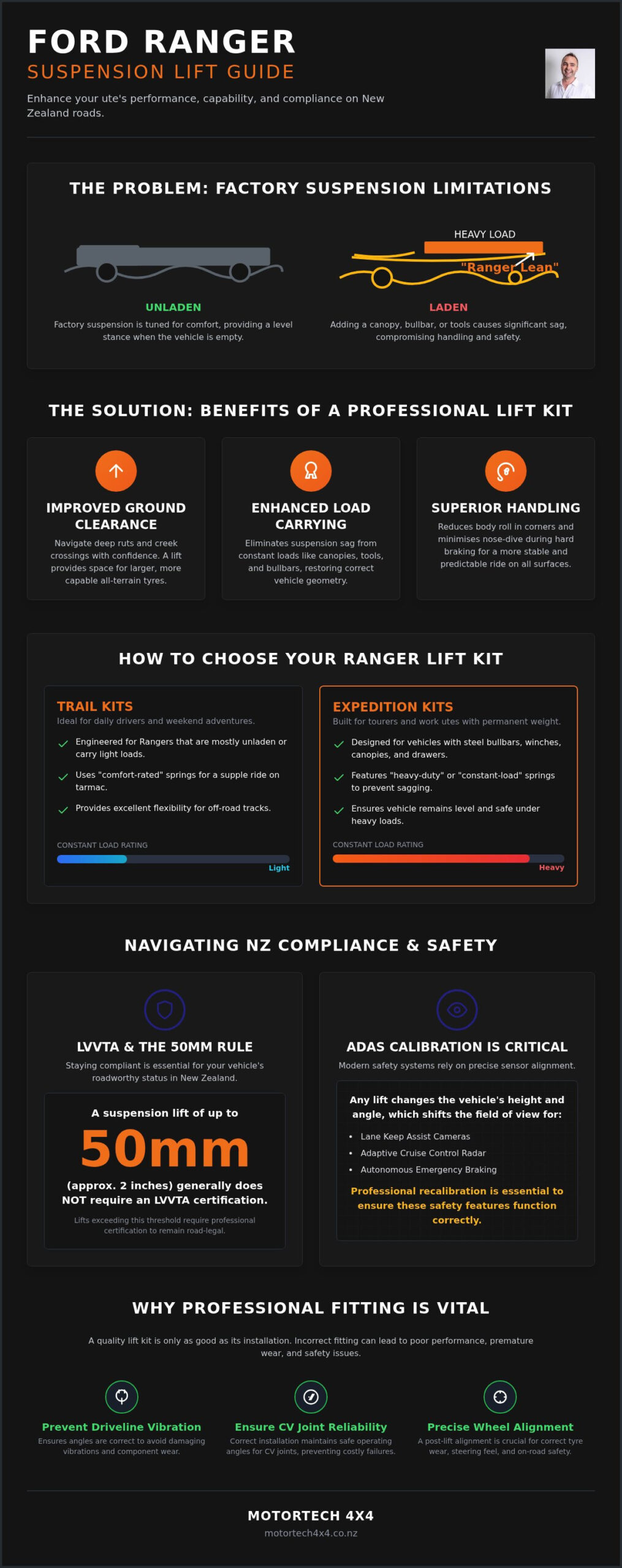
Factory suspension is typically tuned for unladen comfort, which leads to significant sag when you add a canopy, a full drawer system, or a heavy bullbar. This “Ranger Lean” negatively impacts the vehicle’s geometry and headlight aim. By installing a dedicated lift kit, you restore the correct ride height and increase the approach and departure angles. This means you can climb steep inclines or drop into creek beds without the front bumper or towbar scraping the terrain. A high-quality Ford Ranger lift kit NZ ensures your ute maintains a level stance even when the tray is loaded with tools or camping gear.
The Benefits of Improved Ground Clearance
New Zealand’s terrain is diverse and often unforgiving. Extra ground clearance allows you to navigate deep ruts on back-country tracks without risking expensive damage to the sump or drivetrain. It also creates the necessary wheel arch space to fit larger all-terrain tyres, which are vital for finding grip in muddy conditions. Beyond physical obstacles, a lift kit improves your water wading capability. By raising the chassis, you keep critical components higher during river crossings or coastal excursions, providing an extra margin of safety when the track gets wet.
Handling and Stability on Auckland Roads
Many drivers assume a lift kit makes a ute handle poorly on tarmac, but the opposite is true with high-quality components. Professional suspension kits reduce body roll on winding highways by using shocks with superior valving and springs with higher rates. This translates to flatter cornering and significantly less nose-dive during emergency braking. For those frequently towing heavy trailers or boats around Auckland, an upgraded rear leaf pack prevents the “seesaw” effect. It keeps the front tyres firmly planted, ensuring your steering remains precise and your braking distances stay consistent even under heavy load.
Comparing Ford Ranger Lift Kit Types: From 2-Inch to GVM Upgrades
Selecting the right Ford Ranger lift kit NZ requires a clear understanding of how you intend to use the vehicle. The 50mm (2-inch) lift is the most popular choice across the country, providing a balance between increased clearance and daily drivability. This height generally allows for larger tyres while maintaining sensible centre-of-gravity limits. However, the hardware within that 50mm lift varies significantly. You must choose between nitro-gas shocks, which offer reliable performance for most users, or foam-cell technology designed to dissipate heat more effectively during long corrugated drives. For those pushing their Ranger to the limit, adjustable remote reservoir shocks allow you to fine-tune damping for different terrains and loads.
Safety systems are a major consideration when altering ride height. Recent NZTA research on ADAS calibration confirms that even moderate lifts can shift the field of vision for cameras and radar sensors. This makes professional installation and system recalibration essential for any modern Ranger build. If you’re unsure which setup suits your driving style, you can consult with our specialist team to match a kit to your specific vehicle requirements.
Trail Kits vs. Expedition Kits
Trail kits are engineered for Rangers that spend most of their time unladen or as daily drivers. These kits use “comfort-rated” springs that provide a supple ride on tarmac while still offering enough flex for weekend tracks. Conversely, Expedition kits are designed for vehicles carrying permanent weight. If your rig has a steel bullbar, winch, canopy, and long-range tank, you need “heavy-duty” or “constant-load” springs. Calculating your constant load is simple: weigh your vehicle in its everyday state and subtract the factory kerb weight. This ensures the spring rate is matched to the actual mass, preventing the suspension from sagging or topping out.
GVM Upgrades for the Serious Tradie
A standard lift kit improves height, but it doesn’t legally increase the amount of weight your Ranger can carry. For commercial users or tourers with heavy builds, a GVM (Gross Vehicle Mass) upgrade is necessary. These kits are specifically engineered and certified to increase the vehicle’s legal carrying capacity, often up to 3,500kg for certain models. Beyond the mechanical benefits of stronger components, a GVM upgrade provides critical legal protection. It ensures your vehicle remains compliant for insurance purposes and meets workplace health and safety requirements for fleet operators. At Motortech 4X4, we integrate these upgrades into a complete package including fitting, wheel alignment, and the required certification paperwork.
Navigating NZ Compliance: LVVTA Certification and ADAS Calibration
In New Zealand, the 50mm rule defines the boundary between a straightforward bolt-on upgrade and a complex engineering certification process. Most off-the-shelf Ford Ranger lift kit NZ options are engineered to provide exactly 50mm of lift. This height allows owners to improve performance while staying just under the threshold that triggers mandatory Low Volume Vehicle Technical Association (LVVTA) certification. If you choose to go higher, or if your modification results in less than 40mm of suspension rebound travel, you must undergo a formal inspection by an LVVTA certifier to ensure the vehicle remains road-legal.
Compliance involves more than just the physical height of the springs. Raising the chassis alters the rake of your headlights, which can dazzle oncoming traffic and lead to a failed Warrant of Fitness (WOF). Similarly, if your lift is paired with larger tyres, your speedometer will likely under-read. Under NZ law, your speedometer must never indicate a speed lower than the actual speed of the vehicle. Precise adjustment of these components is a non-negotiable part of a professional installation at a specialist workshop.
ADAS Calibration: Keeping Your Safety Tech Smart
Lifting a Ranger doesn’t just change the view from the driver’s seat; it fundamentally alters the “field of vision” for the vehicle’s onboard computers. Cameras mounted behind the windscreen and radar sensors in the grille are programmed to operate at a specific factory height. When you install a lift kit, these sensors are tilted or raised. This can cause the Autonomous Emergency Braking (AEB) to trigger late or the Adaptive Cruise Control to lose track of the vehicle ahead. ADAS calibration is the process of resetting vehicle sensors to match the new ride height. Professional recalibration ensures your safety software receives accurate data and reacts correctly in an emergency.
WOF Compliance and Road Legality
WOF inspectors are increasingly vigilant regarding modified 4x4s. They look for signs of poor fitment, such as leaking shock absorbers, excessive bush wear, or suspension components that interfere with brake lines. Cheap spacer kits often draw unwanted attention because they can compromise the structural integrity of the strut assembly and often fail to meet basic safety standards. Choosing a professionally fitted and documented Ford Ranger lift kit NZ provides the peace of mind that your vehicle meets all current safety regulations. This documentation makes every subsequent WOF inspection a routine event rather than a legal hurdle, ensuring your insurance remains valid in the event of an accident.
How to Choose Your Ranger Lift Based on Performance and Payload
Selecting the right Ford Ranger lift kit NZ starts with an honest assessment of your driving habits. Most owners fall into two categories: the 80/20 driver who uses the ute for work and the school run but hits the dirt on weekends, or the dedicated touring enthusiast. If your vehicle is mostly unladen, a comfort-oriented spring rate is essential to avoid a harsh, bouncy ride. However, if you’re building a dedicated touring rig with a constant heavy load, you must select a heavy-duty setup from the outset to maintain vehicle stability and ride height.
Front spring selection is heavily dictated by your accessories. A steel bullbar adds approximately 60 to 80kg to the nose of the vehicle. If you add a winch, you’re looking at another 30 to 40kg of permanent weight. Using standard lift springs with these accessories causes the front end to sag, which compromises your approach angle and puts undue stress on the shock absorbers. You must specify your accessory weight during the selection process to ensure the spring rate is matched to the actual front-end mass. Similarly, consider future upgrades like a canopy or roof rack when choosing your rear leaf springs. It’s more cost-effective to install a heavier spring pack now than to pay for a second installation once you’ve added more weight.
Selecting the Right Shock Absorbers
Twintube shocks are a reliable, cost-effective choice for general driving and light off-roading. For those frequently tackling long, corrugated NZ back-country roads, monotube shocks are superior. The design separates the oil and gas, which prevents the oil from foaming and losing damping efficiency under high heat. Adjustable shocks are a worthwhile investment if your load varies significantly, such as towing a heavy boat one day and driving unladen the next. Keep in mind that high-performance, rebuildable shocks require periodic maintenance to ensure they continue to perform at their peak.
The Importance of Greasable Shackles and Quality Bushes
Polyurethane bushes are a common upgrade during a suspension lift because they are far more durable than factory rubber components. They provide firmer handling and better resistance to the abrasive effects of New Zealand’s salty coastal environments. To ensure longevity, we recommend installing greasable shackles. These allow you to easily lubricate the suspension joints, which reduces friction and eliminates the annoying squeaks often associated with rear leaf packs. Ready to spec your build? Book a professional suspension assessment at our Auckland workshop to ensure your spring and shock combination is perfectly balanced for your payload.
Professional Ford Ranger Lift Kit Installation in Auckland
Attempting a DIY installation of a Ford Ranger lift kit NZ often results in unforeseen mechanical complications. Without specialised tools and a heavy-duty hoist, it is difficult to ensure every fastener is torqued to factory specifications while the suspension is correctly loaded. Incorrect geometry often leads to severe driveline vibration or premature CV joint failure, particularly if the operating angles exceed their intended design limits. Professional fitment ensures these critical components remain within safe tolerances, protecting your vehicle’s mechanical integrity from the first kilometre.
Motortech 4X4 provides a comprehensive solution in Auckland, managing the entire modification process from physical hardware installation to complex technical calibration. A professional fit-out does more than just raise the vehicle; it protects your factory warranty and enhances resale value through documented, compliant workmanship. We also emphasise rigorous post-installation care. This includes a mandatory check and retightening of all suspension components after the first 500km of driving, which allows the new springs and bushes to settle into their final positions safely and securely.
The Motortech 4X4 Installation Process
Every project begins with a comprehensive pre-installation inspection to identify any existing wear in your Ranger’s steering or drivetrain components. Once the kit is fitted, we perform a precision wheel alignment specifically tuned for the new lifted geometry. As highlighted by Precision Offroad 4×4, this is vital for maintaining neutral handling and preventing uneven tyre wear. Unlike many general mechanical workshops, our facility includes onsite specialised equipment for full ADAS calibration. This ensures your safety sensors are accurately aligned with the new ride height before the vehicle leaves our workshop floor.
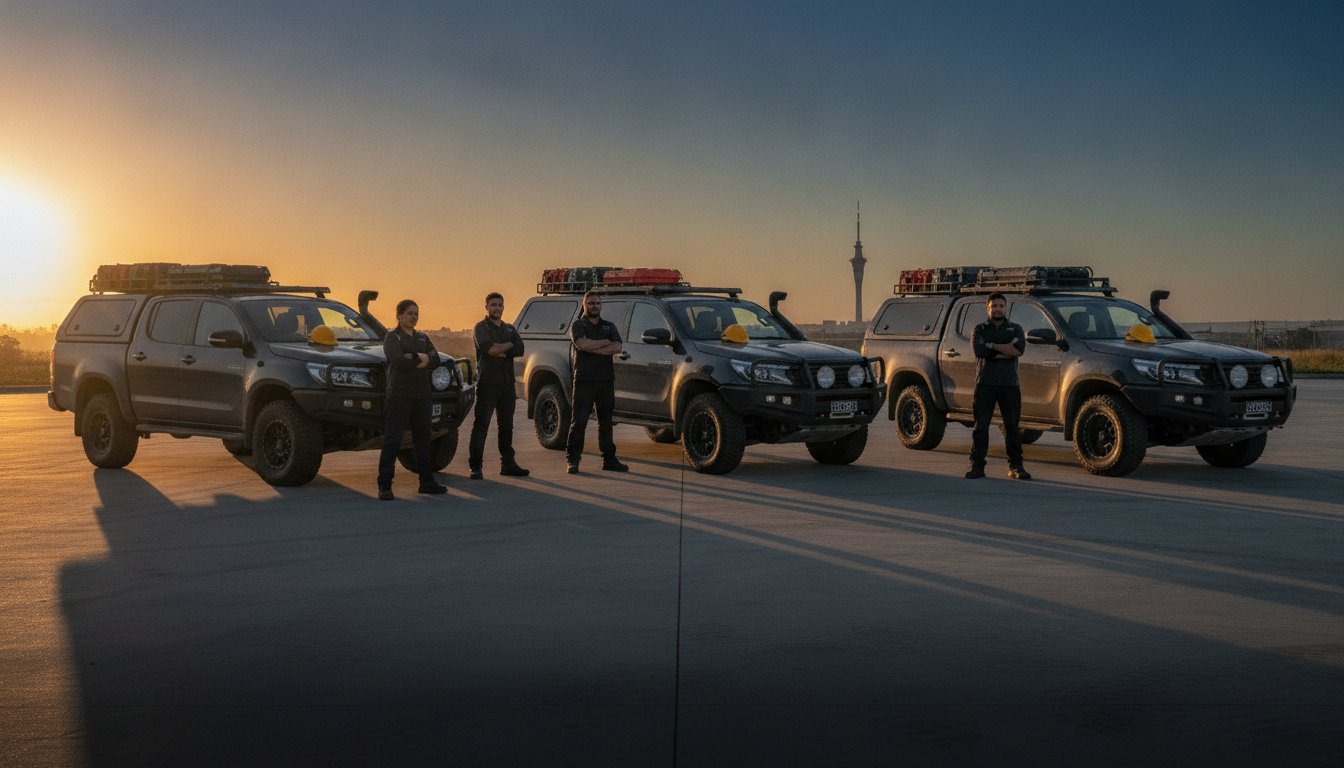
We specialise in integrating your Ford Ranger lift kit NZ with other essential modifications to create a cohesive and capable build. Whether you require a heavy-duty fleet fit-out for Auckland worksites or a fully equipped adventure rig with bullbars, snorkels, and canopies, our team ensures every component works in harmony. We customise spring rates and shock valving based on the total weight of your chosen accessories to provide a balanced, high-performance result. Contact the Motortech 4X4 team in Auckland for a tailored suspension quote that meets your specific performance and payload requirements.
Transform Your Rig with a Compliant Performance Upgrade
Selecting the right Ford Ranger lift kit NZ involves balancing your specific payload requirements with the technical demands of modern safety systems. We’ve established that a successful build requires more than just extra height; it demands matched spring rates, precision wheel alignment, and professional ADAS calibration to keep your safety tech functioning correctly. By prioritising legal compliance and professional fitment, you protect your vehicle’s mechanical longevity and ensure it remains fully road-legal for Auckland conditions.
As Auckland’s leading 4×4 modification specialists, Motortech 4X4 offers the expertise required for both heavy-duty fleet fit-outs and dedicated recreational builds. Our workshop provides a complete one-stop solution, including onsite ADAS calibration and specialised alignment services to guarantee your ute performs at its peak. Don’t settle for a generic setup that compromises your ride quality or safety.
Get a Professional Ford Ranger Lift Kit Quote from Motortech 4X4 today and start your journey toward a more capable, reliable vehicle. We look forward to helping you build a rig that truly delivers on and off the road.
Frequently Asked Questions
Will a lift kit void my Ford Ranger factory warranty in NZ?
Installing an aftermarket suspension system won’t void your entire vehicle warranty, but it does affect coverage on related components. Ford NZ is not responsible for failures directly caused by the modification, such as premature wear on CV joints or steering racks if the geometry is incorrect. However, unrelated systems like the engine or electronics remain covered. We recommend using a professional installer to ensure the build meets safety standards and maintains overall vehicle integrity.
Do I need an LVVTA certificate for a 2-inch lift on my Ranger?
Most 50mm (2-inch) lift kits are specifically engineered to stay within the legal threshold that avoids mandatory LVVTA certification. You generally won’t need a certificate if the lift is 50mm or less and you maintain at least 40mm of suspension rebound travel. If you exceed this height or use certain components like adjustable shackles that alter geometry significantly, a formal inspection becomes a legal requirement to ensure the vehicle remains road-worthy.
How much does it cost to install a Ford Ranger lift kit in Auckland?
The total investment for a Ford Ranger lift kit NZ installation depends on the complexity of your chosen hardware and the technical requirements of your vehicle. A standard fit-out involves the physical installation of springs and shocks, followed by a precision wheel alignment. Modern Rangers also require specialised ADAS calibration to ensure safety sensors remain accurate. Choosing a workshop that handles all these steps under one roof provides the best balance of safety and value.
How does a lift kit affect the fuel economy of my Ranger?
Raising your vehicle’s ride height increases aerodynamic drag, which naturally impacts fuel efficiency. The higher profile allows more air to travel under the chassis, creating turbulence. If your lift is paired with larger, heavier all-terrain or mud-terrain tyres, the engine must work harder to overcome the increased rolling resistance. While the impact is often marginal on the highway, drivers should expect a slight increase in litres per 100 kilometres during daily commuting.
Can I still tow my boat or caravan safely with a lifted suspension?
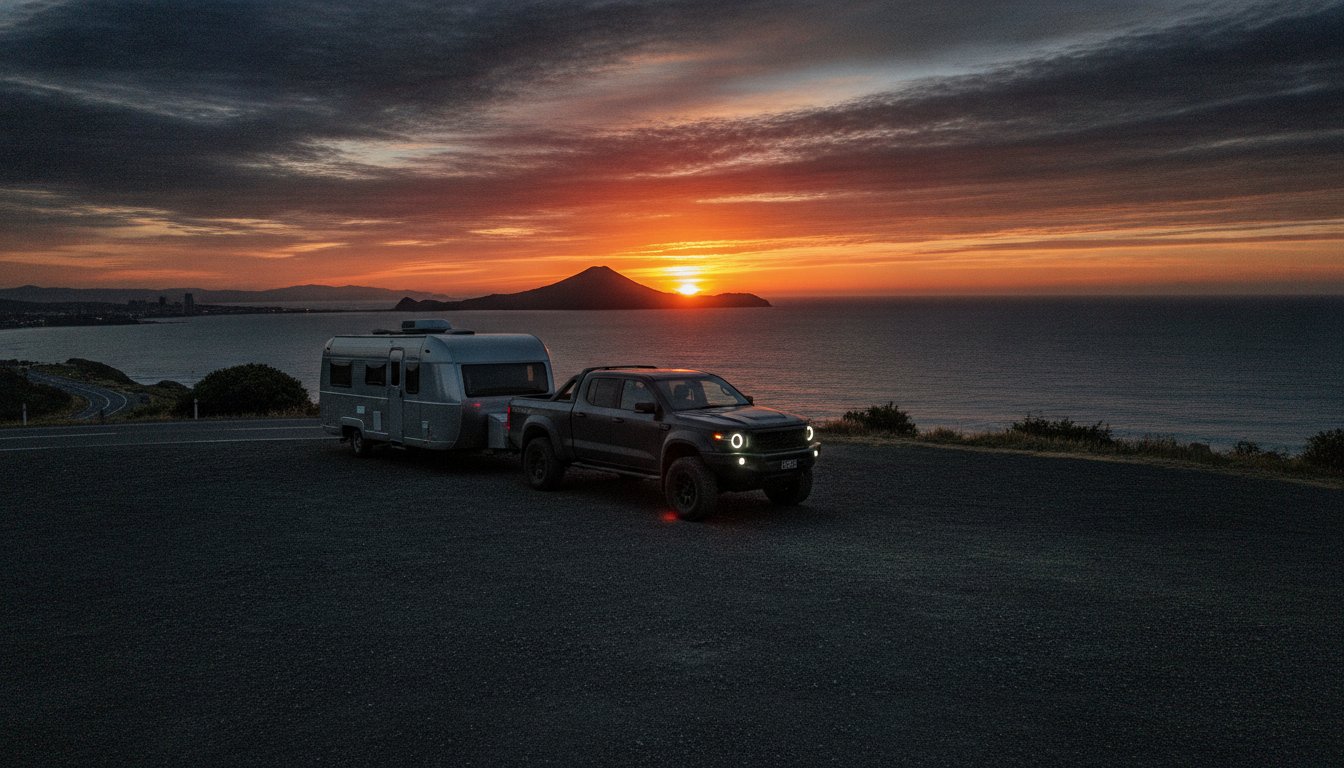
You can tow safely provided your spring rates are matched to your tow ball weight. A high-quality lift kit often improves towing performance by reducing rear-end sag and preventing the “seesaw” effect on the front wheels. It’s vital to choose a constant-load leaf pack if you frequently haul heavy trailers or caravans. This setup keeps the vehicle level, ensuring your steering remains precise and your braking distances stay consistent while under load.
What is the difference between a suspension lift and a body lift?
A suspension lift raises the entire chassis by replacing the springs and shocks, which improves ground clearance and off-road articulation. A body lift uses spacers to raise the cabin and tray away from the frame, providing extra room for larger tyres without changing the suspension geometry. In New Zealand, suspension lifts are the preferred choice for performance, whereas body lifts are primarily aesthetic and always require mandatory LVVTA certification regardless of the height.
How long does a professional lift kit installation take?
A professional Ford Ranger lift kit NZ installation typically requires a full working day at our Auckland workshop. This timeframe allows our technicians to perform a comprehensive pre-inspection, fit the new hardware, and complete a precision wheel alignment. Because modern Rangers feature advanced safety tech, we also allocate time for onsite ADAS calibration. This methodical approach ensures that every component is settled, tested, and fully compliant before you take delivery of your upgraded vehicle.